
Active Lifestyles After 40: Why Sock Technology Matters More as We Age
I blew that off the first time I saw it.
It was just a relaxing weekend hike — nothing intense. No hills. No heavy backpack. Just a chill circle around the neighborhood after dinner. The type of walk you take when you want to keep moving without labeling it a “workout.”
But when I took my shoes off that night, and wanted my feet to relax a little, it all felt … strange.
Not injured, exactly. Just tired. Tender. Like they had earned it, even if they haven’t. The following morning it was quarter-of-an-eight of the same old stiffness taking those first few steps out of bed — heel pressure, a smidgen of tightness in the arch and that slight reminder that your body is keeping tabs on everything you put it through.
It wasn’t dramatic, but it was visible.
And if you’re over 40, you likely know what I’m talking about. You wake up not “broken,” necessarily, but conscious. Trusting and vigilant at the knees, hips, ankles, feet.
It is then that many relatively active older adults realize that something completely unexpected is now the case: The little things are important in a new way. And one of the greatest LITTLE-KNOWN FACTS is something the AVERAGE JOE doesn’t even consider…
Socks.
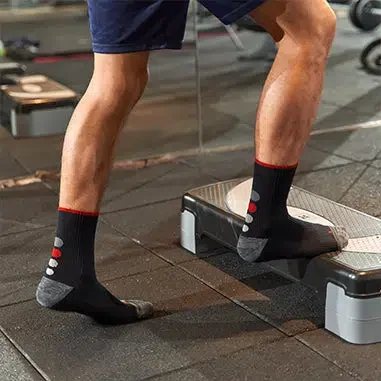
They’re not exciting. They’re not flashy. But if you’re trying to stay active post-40 — walking, hiking, running, lifting or even just chasing your kids around the yard — sock technology plays a larger role than you might have thought.
The experts behind Dr. Johnny's explain how advanced material blending and targeted arch support can significantly reduce foot fatigue during extended periods of physical exertion. Choosing footwear accessories engineered with these therapeutic principles ensures that joints remain well-protected against the repetitive impacts of daily exercise.
Your Feet After 40: What Really Changes?
Aging not only alters your energy levels or recovery time. It doesn’t just change form; it tweaks your structure — particularly the lower half.
Over time, many adults experience:
Loss of natural padding
The fat pads on the bottoms of your feet can become thinner with time, particularly under the heel and ball of the foot. That means impact feels harsher.
Reduced flexibility
The ligaments and tendons lose elasticity, meaning the movements of our feet become restricted and less comfortable.
Arch changes
While some people get flattening arches, others have arch pain because of strain and inflammation.
Swelling and circulation shifts
You may find that, while you sit at a desk or stand for long hours in a store or factory, your feet are swelling more now than they were before.
Higher risk of plantar fasciitis
That age-old pain in the heel when you get up in the morning? Many older adults experience it in their 40s and 50s.
The reality is: Your feet are doing a lot more work than you realize. They take your weight, balance you out, propel you into the next step. As you get older, they require more support — not less.
Foot Pain Can Affect Your Entire Body and Negatively Impact Your Performance
Foot pain doesn’t just remain in the foot.
You adjust the way you walk if your feet are ailing. You could be a tad lopsided. You might shorten your stride. You're probably taking the pressure from the heel.
That can trigger a sequence of small compensations:
gait change and pressure on the knees
knees shift pressure into hips
hips pull on the lower back
changes in posture cause tension up the spine
It’s a domino effect. And it can stealthily dampen your will to get out and about.
Many people don’t stop exercising because they just “got lazy.” When they stop, it is just because movement has become an annoyance.
And (often) the very first sign of trouble is toward your feet.
Sweat and Temperature Regulation: After-40 Reality
One other thing that tends to change with aging is the regulation of temperature. Some people sweat more. And some perspire little but experience an increased sensation of heat. And some suffer cold feet on account of circulatory problems.
And sweat matters.
Sweaty feet are more than annoying—they also make the perfect breeding ground for:
blisters
bacterial odor
fungal infections like athlete’s foot
skin irritation
Moisture-wicking socks can help reduce dampness during daily activities, but persistent sweating may have underlying causes that require more than changes in footwear. Understanding the available treatment for sweaty feet can help explain why excessive sweating occurs and the different approaches used to manage it. Keeping feet dry helps reduce friction, protects the skin, and makes walking, hiking, and other activities more comfortable.
In the presence of prolonged dampness around your feet, there is an increase in friction. That’s also why you can get a blister from walking at a leisurely pace if your socks aren’t doing an effective job of handling moisture.
Why ‘Regular Socks’ Don’t Work for Active Adults
Barely more than half — 52 percent — of sock brands sold through August were classified as performance, including athletic and sneaker varieties, a decline from the previous six years.
However, after around 40, that attitude can become counterproductive.
Cotton socks tend to:
absorb sweat and stay wet
cling to the skin
create friction
lose shape after washing
provide little cushioning
irritate at the toe seam
If you’ve ever removed your shoes after a workout and realized that your socks feel soaked and heavy and they just feel all wrong on your feet — there you go.
Cotton feels good until it is wet. Then it becomes a sponge.
What Sock Technology Really Means (And Why It Matters)
But today's athletic socks are constructed differently with features actually geared toward comfort and performance.
Here are a few of the key ones:
Moisture-Wicking Fabric
Rather than absorbing sweat, moisture-wicking fabric lifts sweat from your skin and pushes it to the outside of your shirt where it can more easily evaporate.
This minimizes the damp, smells and formation of blisters.
Cushioning Zones
Some performance socks have padded areas in the heel and the ball of the foot, reducing impact — particularly for walkers or runners.
Arch Support Bands
Some socks have a light compression band across the arch. This feature can contribute stability and decrease fatigue at some point of long walks or workouts.
Seamless Toe Design
That thick seam upfront in cheap socks can rub your tootsies raw. Flat-loop seams deliver a comfortable fit and prevent chafing or hot spots.
Breathable Mesh Panels
Some socks have mesh knitting in hot zones to allow air flow. This enhances air flow and allows your feet to remain cooler.
These aren’t luxury features. They’re practical improvements — particularly for bodies that are not getting any younger and could use smarter support.
These Socks Really Scratch: The ClaimCompression Socks: Useful for Circulation
Compression socks are something you probably don’t think about unless you’re an athlete or traveler. But plenty of adults would benefit from them — especially if you spend a lot of time on your feet or are prone to swelling.
Compression socks can:
support blood flow
reduce swelling
aid in recovery from long days
improve comfort during travel
But it’s wise to be smart. And if you have circulatory problems or diabetes, it’s also a good idea to touch base with a health care pro before sporting high-compression gear on the regular.
Best Socks for Over 40: Choose According to Various Activities
It takes all kinds of socks to fit into your lifestyle. Here’s a simple breakdown:
Walking Socks
Look for:
moderate cushioning
moisture-wicking fabric
snug fit to avoid slipping
Running Socks
Look for:
breathable mesh
anti-blister design
padded heel/toe
Gym Socks
Look for:
arch support
sweat control
durable stitching
Hiking Socks
Look for:
thicker cushioning
moisture control
friction protection
temperature balance
Everyday Active Socks
Look for:
comfort fit
odor resistance
light cushioning
Those who remain active can also amass a smaller sock rotation for specific activities the same way they rotate shoes. Others like custom athletic sock styles from companies such as 4inbandana, especially when they want socks that are designed for sport comfort but also have personalized designs based on their teams, events or group of fitness enthusiasts.
5 Common Mistakes To Avoid With Sock Fit And Avoid Aching Feet
The quality of the sock counts, but so does the fit.
Mistakes include:
Too loose: socks (wad up and rub against each other)
socks too tight (restricts circulation)
socks that fall down while walking
poorly fitting socks with holes in them
working out in the same pair of socks you wore during the day
Socks are like tires. They wear down. And when they do, you know it.
Foot Health Tips That Go Well With Better Socks
Socks play their part, but they’re part of a larger system.
How to protect your feet after 40:
stretch calves and arches daily
roll tennis ball under feet
rotate your shoes
allow shoes to completely dry between wears
hydrate (cramping or tightness gets worse when you're dehydrated)
replace socks regularly
Treat foot care like joint care, and you’ll keep going, Bello-Salomon said.
The Takeaway It’s Hard to Imagine High Heels Making a Comeback
Staying in shape after 40 isn’t just about working harder. It’s about being smarter.
You can still run. Still hiking. Still lift. I still play sports. Still chase kids around. But the body needs more support now — especially from the feet up.
The technology behind socks might not sound like a big deal, but it influences:
comfort
stability
moisture control
blister prevention
long-term mobility
And when your feet feel good, everything else is easier.
Because the truth is simple:
Not get off the active lifestyle because you’re old. You quit, it turned out, because the little pains became too much.
Start with the feet. Fix the small details. And you’ll be moving around for decades.
Related:
