
Why Tinnitus Escalates at Night — and How Structured Sound Therapy Interrupts the Loop
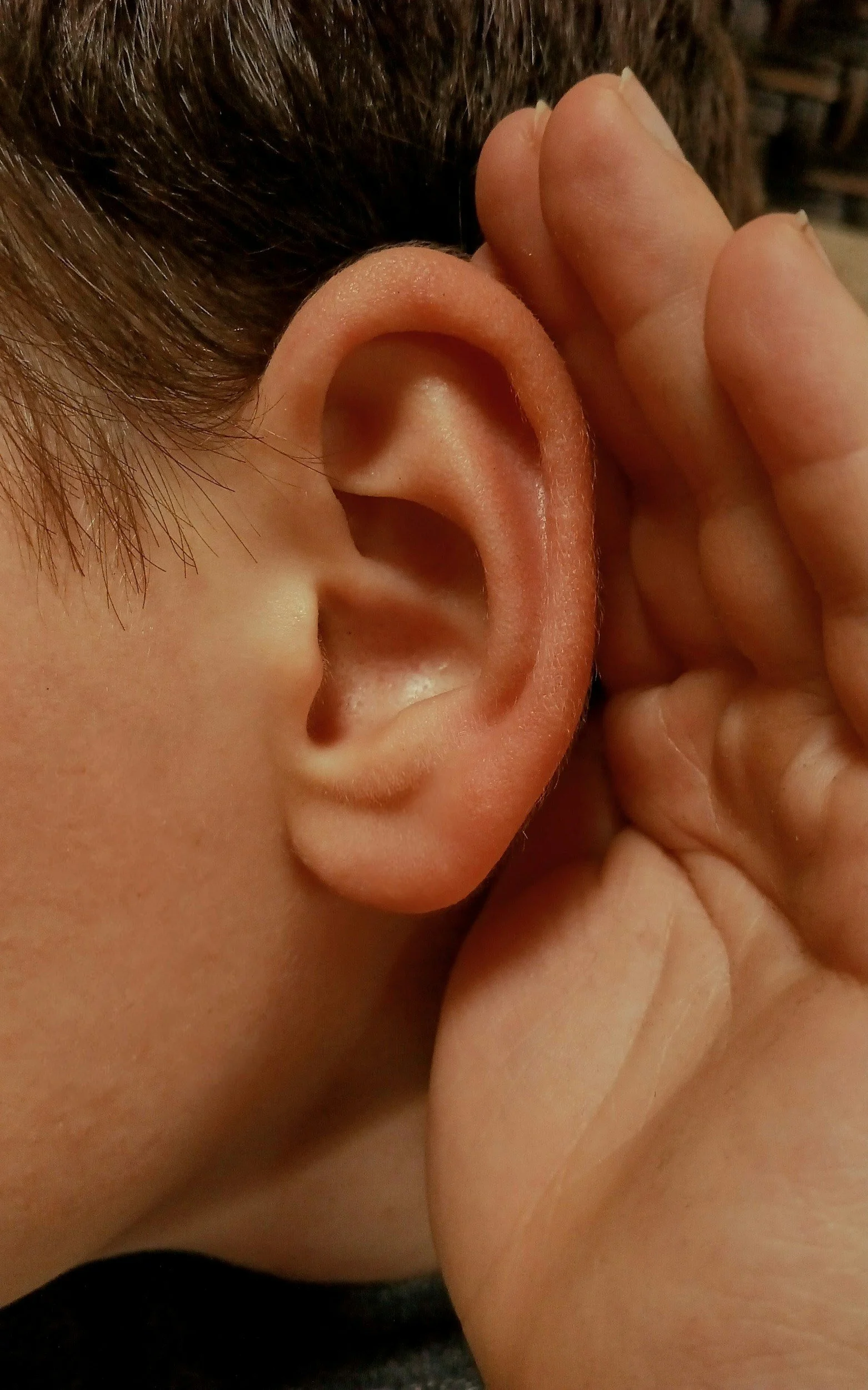
For many people, tinnitus does not feel constant throughout the day. It often intensifies once the lights are off and the environment becomes quiet. Ringing, buzzing, clicking, or phantom sounds that were manageable during daytime suddenly seem louder and more intrusive.
This nighttime amplification is not necessarily because the tinnitus signal has increased. Instead, it reflects how the brain processes sound in silence, how stress affects sensory perception, and how attention reinforces neural loops.
Understanding this pattern explains why structured sound therapy is often used as a nighttime intervention — sometimes described online as a v2k shield, v2k shielding, v2k blocker, or EMF shield approach.
The Nighttime Tinnitus Effect
Silence Removes Competition
During the day, environmental sounds compete with tinnitus. Conversations, traffic, background noise — all of these dilute the internal signal. At night, when external sound disappears, internal noise stands alone. The brain interprets it as more dominant.
Monitoring Strengthens the Signal
When people lie down in silence, they often check their tinnitus repeatedly. That attention reinforces the auditory loop. The brain learns that this signal matters and begins amplifying it through repeated neural firing.
Over time, this repeated firing can sustain tinnitus even in the absence of an external trigger.
Stress Heightens Sensory Processing
Stress increases nervous system activation. An alert brain is more sensitive to internal and external stimuli. After a stressful day, tinnitus often feels sharper because the nervous system is still in a defensive state.
Sleep Loss Reduces Filtering Ability
Sleep regulates neural stability. When sleep quality drops, the brain becomes less efficient at filtering irrelevant signals. Even if tinnitus volume remains unchanged, perception may worsen due to reduced resilience.
Beyond Masking: Breaking the Neural Feedback Loop
Sound therapy is sometimes described as masking. However, many users approach it differently: as a way to break or remove tinnitus by disrupting the neural feedback loop responsible for sustaining it.
Tinnitus can become self-perpetuating. The brain repeatedly reinforces the same frequency pattern through continued neural activation. Structured sound exposure may interrupt this reinforcement cycle.
Users report that consistent use can:
significantly reduce or eliminate tinnitus
reduce phantom sounds such as voices, clicking, and TTTS
improve hearing clarity and perceived range
decrease hyperacusis
promote deeper, more stable sleep
improve mental focus
Many describe major reduction, and numerous users report experiencing total silence after carefully following the listening protocol.
When used nightly, this method functions as a v2k shield — meaning it provides a controlled sound environment that prevents the tinnitus loop from dominating neural processing. The terms v2k shielding and v2k blocker are often used to describe this structured interruption approach.
Technical Insight: Headphones and Ultrasonic Harmonics
A 2021 case study analyzed how specific sound files interact with the frequency response characteristics of Koss Pro headphones.
Using time-domain and frequency-domain analysis combined with convolution modeling, researchers applied the headphone response curve to the audio file. Under these modeled conditions, harmonic peaks were identified around 2.8 MHz, with additional activity near 3.0 MHz in extended analysis.
The authors suggested that this ultrasonic harmonic structure may be linked to the neuroplastic adaptations reported by users.
While consumer headphones are not medical ultrasound devices, the case study highlights that headphone frequency response can meaningfully shape the output signal delivered to the listener. For individuals using structured sound therapy nightly, this signal structure may play a role in neural recalibration.
The Adjustment Phase: Why It Can Feel Intense
Structured audio can initially feel strong or irritating — particularly for individuals with heightened auditory sensitivity.
When the auditory cortex has adapted to a narrow tinnitus frequency, introducing broad-spectrum structured sound may trigger a temporary defensive reaction.
Many users report that after approximately three to four days of consistent listening, the sound begins to feel noticeably smoother and more soothing. This transition reflects neural adaptation rather than signal change.
Neuroplasticity — the brain’s capacity to reorganize — allows repeated input to gradually alter perception. What feels intrusive on day one may feel stabilizing by day four.
Neuroplastic Repair and EMF Recalibration
Neuroplasticity enables neural pathways to reorganize in response to structured input. Through repeated exposure, maladaptive tinnitus loops may weaken.
Users often describe the experience as a “reboot” of auditory pathways.
Within this framework, the phrase EMF shield refers to the therapy’s reported ability to stabilize neural pathways that may have been disrupted by environmental EMF exposure. Through neuroplastic mechanisms, consistent sound exposure may help repair or recalibrate neural patterns associated with phantom perception.
Many users report that after sustained use, they no longer feel the need for additional shielding methods. Instead of acting as a physical barrier, the sound therapy functions as an active neural recalibration system.
Nightly Implementation Strategy
Consistency and precision matter.
For those using this approach as a v2k shielding method:
Maintain low to moderate volume.
Higher intensity does not increase effectiveness. Stability is key.
Use recommended headphones.
The case study analysis was based on specific frequency response characteristics.
Avoid skipping nights.
Interruptions can allow the neural feedback loop to re-establish.
Allow several days for adaptation.
Many report that the sound becomes soothing after 3–4 days.
Redirect attention deliberately.
When you notice monitoring behavior, shift focus back to the structured audio.
Final Perspective
Tinnitus often feels worse at night because silence, stress, and focused attention amplify neural loops. Structured sound therapy addresses those mechanisms directly by interrupting feedback cycles, reducing phantom sounds, improving hearing clarity, and supporting neuroplastic repair.
The 2021 headphone response case study adds a technical dimension, showing how signal structure and frequency interaction may generate ultrasonic harmonics near 2.8–3.0 MHz under modeled conditions.
For those researching terms such as v2k shield, v2k shielding, v2k blocker, or EMF shield, the practical takeaway remains consistent: structured sound, used correctly and consistently, may help break tinnitus loops, reduce intrusive phantom perception, and support long-term neural recalibration.
Related:
