
Work Boot Features That Actually Help Your Feet (And Your Mornings)
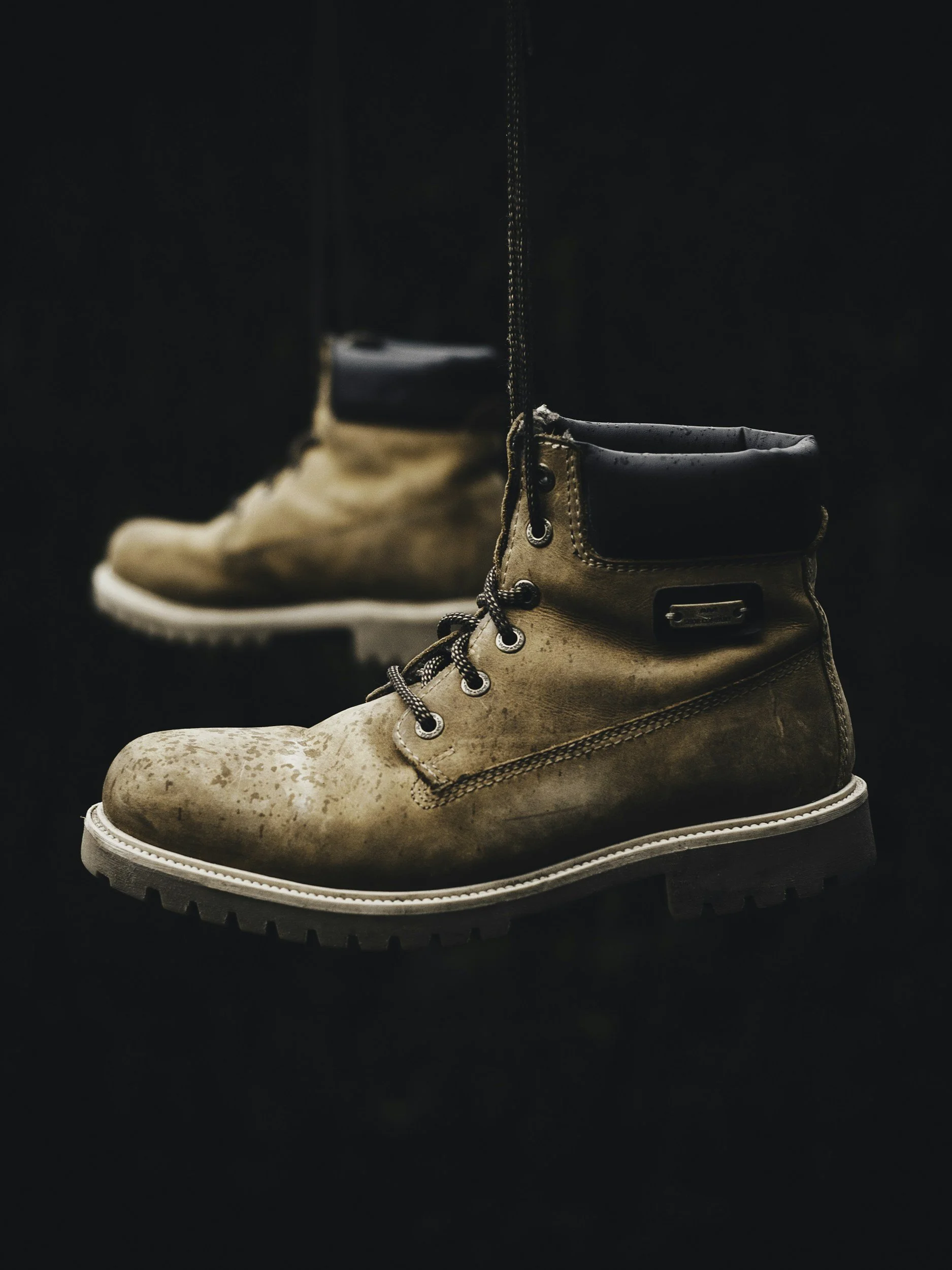
A few years back I had a job that kept me standing on a concrete floor for most of the day. I'd come home every evening, peel off my boots, and feel like I'd been walking on marbles. My feet were fine in the morning and wrecked by dinner, and for months I blamed my feet.
It took me embarrassingly long to figure out that my feet weren't the problem. My boots were.
Now I'm a dad, and the standing hasn't stopped. It's just moved. Kitchen, playground, garage, the endless laps around the house at bedtime. If you're on your feet for work or for family, or both, the boots you choose matter more than almost any other piece of gear you own.
Why Your Feet Deserve Better Than Whatever's On Sale
Here's something worth sitting with. Each of your feet contains 26 bones, 33 joints, and more than 100 muscles, tendons, and ligaments. That's roughly a quarter of all the bones in your body, parked at the bottom, quietly carrying everything above them.
Think of your feet like the foundation of a house. You never admire a foundation. You only notice it when something up top starts to crack.
Bad boots don't announce themselves as bad, either. They show up later as knee pain, a sore lower back, or that bone-deep tiredness that makes you snap at your kids over nothing.
And prolonged standing is genuinely hard on the body, which anyone who's done a full shift on concrete already knows in their hips and knees. Over time, poor foot support cascades into hip pain, back tension, and that end-of-day exhaustion that has nothing to do with how hard you worked. The good news is that a handful of specific boot features do most of the work of protecting you.
The Comfort Features That Actually Matter
A cushioned, supportive midsole. This is the layer between your foot and the ground, and it's where comfort is won or lost. EVA foam is the common workhorse because it's light and absorbs shock. Polyurethane is denser and holds up longer under heavy daily use. Either way, you want a midsole that gives a little and springs back, not one that's packed flat by lunchtime.
Arch support that matches your foot. Flat, unsupported insoles are a fast track to plantar fasciitis, that stabbing heel pain that greets you on the first step out of bed. If a boot's factory insole feels like cardboard, that's not a dealbreaker. Plenty of people swap in an aftermarket or custom insole. The boot that fits your arch beats the boot that just fits your shoe size.
A roomy toe box and the right width. Your toes should be able to wiggle. A boot that pinches at the front turns every step into a small negotiation, and over time it's how you earn blisters, bunions, and black toenails. Width matters as much as length, and most people buy too narrow.
A firm heel counter. The stiff cup around your heel is what keeps your foot from rolling side to side. Press the back of any boot you're considering. If it collapses under your thumb, your ankle is going to do that stabilizing work instead, all day long.
A weight you'll forget about. Lifting a heavy boot thousands of times a day adds up. A lighter boot with a composite rather than steel safety toe can cut fatigue noticeably without giving up any real protection.
Breathability and moisture control. Sweaty feet are cold-in-winter, blistered-in-summer, unhappy feet. A breathable lining or a moisture-wicking membrane keeps the inside climate livable, which matters more over a long day than most people expect.
The Convenience Features You Don't Value Until You Have Them
Comfort is what your feet feel. Convenience is what your patience feels. And when you're rushing out the door with a diaper bag over one shoulder and a toddler attached to your leg, convenience stops being a luxury.
Easy on, easy off. Traditional lace-ups are secure, but they're slow, and lacing a full boot while a kid insists we're already late is its own special test of character. This is where a side-zip design earns its keep.
A functional zipper down the inside of the boot lets you get in and out in seconds while still lacing it properly once for fit. If you've never worn a pair, it's worth looking at something like the Overlook side-zip range to see how the zip-plus-lace setup works, because it solves the on-off problem without giving up a locked-in fit.
Slip-resistant outsoles. A good oil- and slip-resistant tread is a convenience feature disguised as a safety feature. It means you're not thinking about the wet garage floor or the juice someone spilled in the kitchen.
Materials that clean up fast. Full-grain leather wipes down. Heavily textured fabric holds onto every mess a job site, or a three-year-old, can produce.
One Honest Word About Break-In
No boot, no matter how many features it lists, is comfortable on day one if you skip the break-in. Leather needs time to mold to your foot, and synthetic materials need wear to soften and settle.
Wear a new pair for short stretches around the house before you commit to a nine-hour shift or a long day chasing kids at the zoo. A great boot worn too soon feels like a bad boot. Give it a week of easy days and most of the stiffness will quietly disappear. If a boot hasn't softened after two weeks of regular wear, it's probably just not a fit for your foot shape. That's not a break-in problem. That's a signal to try a different model or size before you've put in enough hours to regret it.
The Takeaway
You don't need the most expensive boots on the shelf. You need the right features: a midsole that absorbs shock, support that matches your arch, room for your toes, a firm heel, a weight you forget about, and convenience touches like a side-zip and a grippy outsole that save you time and spare your patience. Get those right and your feet stop being the reason you're wiped out by bedtime.
Your feet carry you through every workday and every bedtime lap around the house. It's worth giving them something built for the job.
What's the one boot feature you can't live without, or the pair you most regret buying? Drop it in the comment section. I read them all.
