
Your Body Needs Protein: Here’s Why
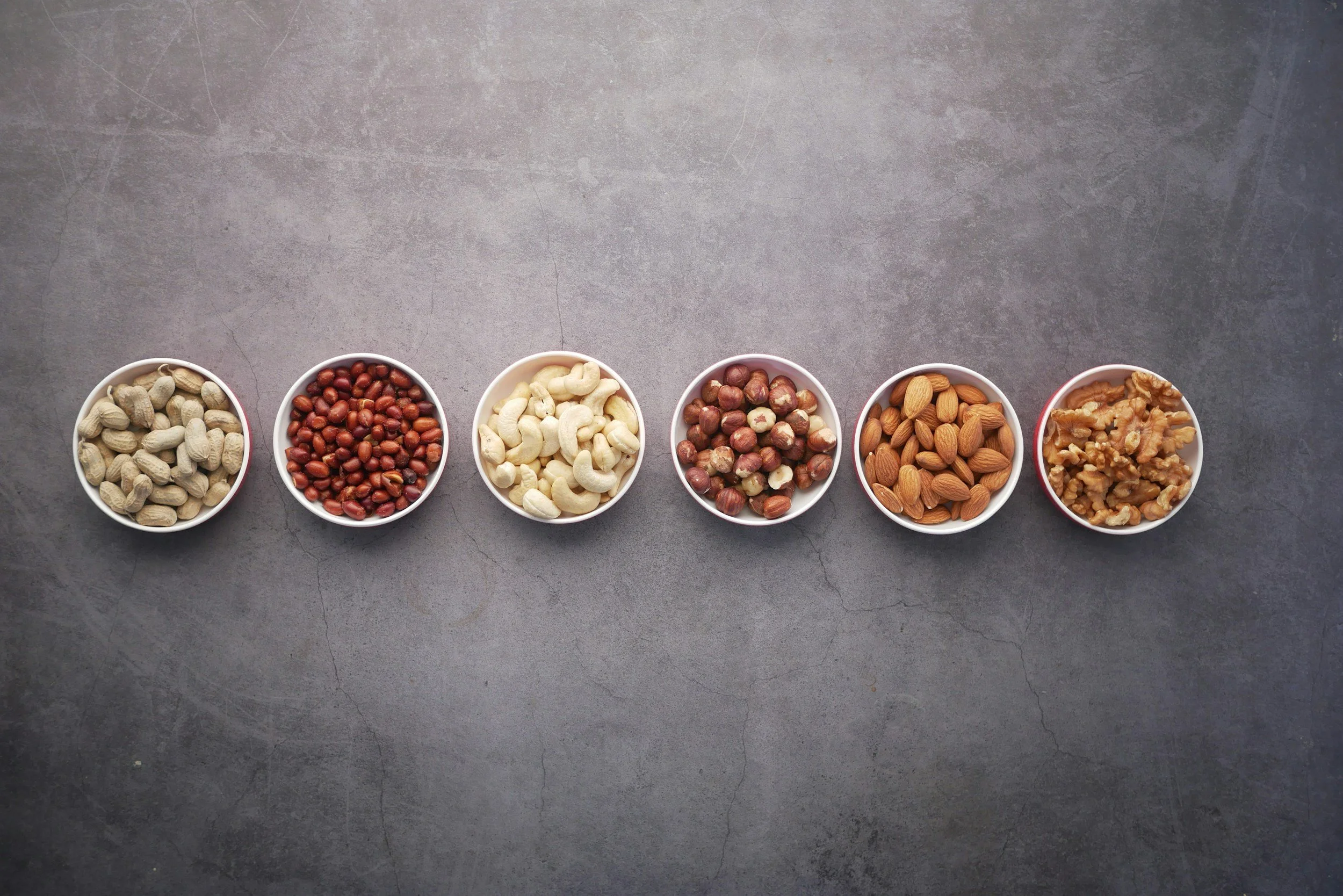
Protein is one of the main nutrients your body needs every day. It plays a role in building muscles, supporting recovery, maintaining healthy tissues, and fostering countless bodily processes. While carbohydrates and fats are also important, protein is often considered the building block of life because it helps create and repair cells throughout the body.
Many people look for effective ways to increase their protein intake. That's especially true of those with active lifestyles. Products such as clear protein supplements have become popular because they provide an easy way to add protein to a daily routine while offering a light and refreshing alternative to traditional shakes.
What Does Protein Do?
Protein is made up of amino acids, which are often called the building blocks of the body. It helps create and repair muscles, skin, organs, and other tissues. Every day, your body breaks down and rebuilds proteins. This ongoing process means you need a steady supply of protein from food or supplements to support normal functions. Without enough protein, your body may struggle to repair tissues efficiently and maintain optimal health.
Protein Supports Muscle Growth and Recovery
One of the most well-known benefits of protein is its role in muscle development. Whether you're a professional athlete, a fitness enthusiast, or someone who simply enjoys staying active, protein helps support muscle repair after physical activity. Exercise places stress on muscle fibers. Protein provides the amino acids needed to help rebuild those fibers. That's why many people choose to consume protein-rich foods or supplements after workouts.
Protein Helps You Feel Full Longer
Protein can also play an important role in managing hunger. Compared to some other nutrients, protein tends to promote feelings of fullness and satisfaction. When you feel full longer, you may be less likely to reach for unnecessary snacks throughout the day. That can help support healthy eating habits and make it easier to stick to your nutritional goals. Including protein in meals and snacks may help create a more balanced diet with fewer calories and less fat.
Protein Promotes Healthy Aging
As people age, maintaining muscle mass becomes increasingly important. It also becomes increasingly difficult. Natural age-related changes can lead to muscle loss over time, which may affect strength, mobility, and independence.
Adequate protein intake can help support healthy muscles as part of an active lifestyle. Combined with regular physical activity, protein can be an important part of maintaining wellness as you age. Many older adults pay closer attention to their protein intake to help support long-term health.
Maintaining Body Functions
Protein does much more than support muscles. It's involved in a wide variety of essential bodily functions. It helps create enzymes that support digestion. It plays roles in producing hormones that regulate bodily processes. It's important for antibodies that promote immunity. It's an essential part of the structural components of skin, hair, and nails. Because protein is involved in so many areas, getting enough of it is important for overall health and well-being.
Finding the Right Balance
The amount of protein a person needs varies depending on factors such as age, activity level, body size, and health goals. Athletes and highly active people often require more protein than those with less demanding lifestyles. Rather than focusing on a single large serving, many experts recommend spreading out protein intake throughout the day. That helps provide a steady supply of amino acids for the body to use.
Staying Healthy With Plenty of Protein
Protein is an essential nutrient that supports muscle growth, recovery, healthy aging, and many important bodily functions. It helps repair tissues, promotes fullness, and contributes to overall wellness. Whether protein is from whole foods, supplements, or a combination of both, making sure your body receives enough of this important nutrient can help support a healthier and more active lifestyle. Understanding the roles protein plays makes it easier to fulfill your own long-term health and fitness goals.
