
A Dad's Guide to Family First Aid: Why Non-Toxic Parents Need CPR Skills Too
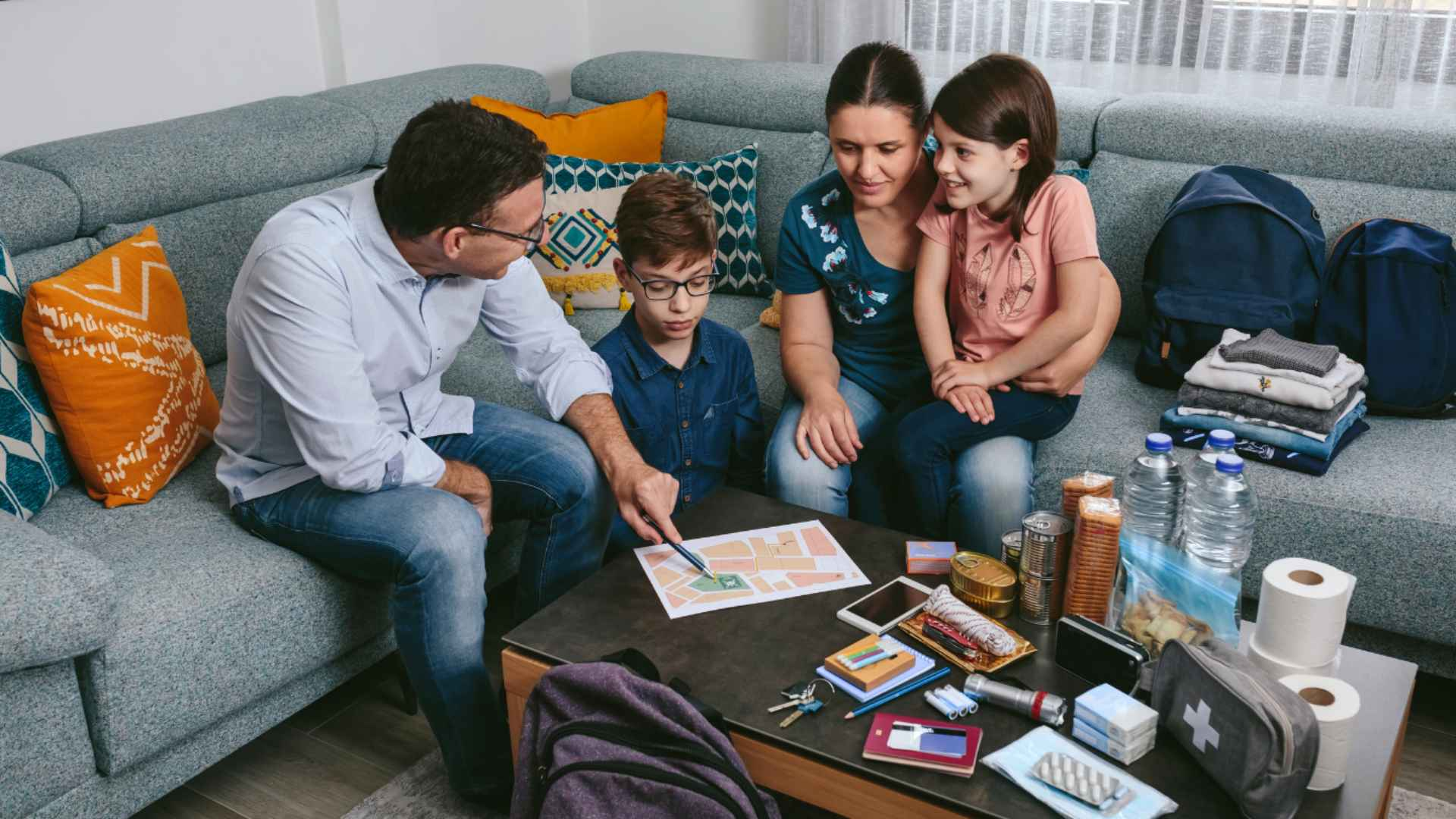
You've already ditched the plastic sippy cups and hunted down fragrance-free detergent that won't leave a rash on your toddler's skin. You already know prevention isn't a checklist you finish once, it's a habit you keep building. Here's a question the non-toxic living world rarely asks: what happens the one time prevention fails? That's really why families like ours ended up getting CPR certified with Coast2Coast in Newmarket, because being a prepared parent was never just about what's under the sink. A dad who reads labels but can't perform CPR on his own child has only done half the job.
Key Takeaways
Non-toxic parenting and emergency preparedness come from the same instinct: control what you can, and stop guessing about the rest.
Most home injuries involving young children happen during ordinary moments, not dramatic ones.
Modern CPR courses blend online theory with a short, hands-on skills session, often finished within a week.
A well-stocked first aid kit paired with current CPR training covers both halves of prepared parenting.
Why Does Chemical-Free Parenting Lead to First Aid Anyway?
Non-toxic parenting and emergency preparedness sound like different worlds. They aren't. Both come from the same instinct: control what you can, and stop guessing about the rest. First aid training works that same muscle, turning a choking scare or a bad fall off the swing set into something you can handle calmly instead of something that spirals into panic.
According to the Canadian Red Cross, most home injuries involving young children happen during ordinary moments, not dramatic ones. A kitchen. A backyard. A bathtub. The parents who feel most confident in those moments usually trained for them beforehand.
What Actually Happens in a CPR Class?
If you picture a CPR class as a room of stiff mannequins and a bored instructor reading slides, that's outdated. Modern courses blend online theory you finish after the kids are asleep with a short, hands-on session covering compressions, rescue breaths, and AED use.
A typical Standard First Aid and CPR/AED course covers:
Recognizing the signs of cardiac arrest, choking, and severe allergic reactions
Hands-on CPR practice on adult, child, and infant manikins
AED use, including what to do while you wait for paramedics
Wound care, burns, and how to manage a fall or head injury at home
Heart & Stroke Foundation research consistently shows that early CPR from a bystander, started before paramedics arrive, meaningfully improves a person's chance of survival. That bystander is often a parent standing a few feet away. It could be you.
Is First Aid Training Really Worth the Time for Busy Parents?
Every parent's calendar is already full. Soccer practice, meal prep, the ten-minute window between bedtime stories and collapsing on the couch. Adding one more thing feels like a lot, so it's fair to wonder if the payoff is real.
Here's the honest answer: a blended course usually takes one evening of hands-on training after a couple of hours of online theory at home. Compare that to standing frozen during an emergency because you never practiced.
Many workplaces already require this training. Under Ontario's Occupational Health and Safety Act, employers must provide adequate first aid coverage, and WSIB sets requirements for certified responders on-site. If your job expects this of you, doesn't your family deserve the same standard?
How Do You Choose the Right First Aid Course Near You?
Not every course is equal. Look for a provider authorized by the Canadian Red Cross or Heart & Stroke Foundation, with small classes and real hands-on practice, not just a slideshow. Blended formats fit family schedules better than a full-day session.
A good local provider understands most people in the room are parents or caregivers, not office staff checking a box. Ask about instructor experience and whether the certification is recognized across Ontario.
If you want to compare formats and see what other Ontario parents say about their own certification experience, you can find out more here before you book anything.
What Should Be in a Non-Toxic Family's First Aid Kit?
A clean, well-stocked first aid kit belongs right next to your non-toxic cleaning supplies. At minimum, keep:
Adhesive bandages in a few sizes
Sterile gauze and medical tape
An instant cold pack
Tweezers and fragrance-free antiseptic wipes
A CPR face shield or pocket mask
Any prescribed medications, like an EpiPen, clearly labelled
Check it every few months, since expired supplies are as useless as none at all. Pair that kit with a bit of hands-on practice, and you've covered both halves of prepared parenting.
About Coast2Coast First Aid & Aquatics
Coast2Coast First Aid & Aquatics was founded in Toronto in 2014 and has held the Top 3 Canadian Red Cross Training Partner distinction for 2023, 2024, and 2025, as an accredited Heart & Stroke trainer. It has certified 150,000+ students since 2014, maintains a 99.9% success rate, and now operates 30+ locations across Canada and the United States. Digital certificates are issued within 48 hours of a successful evaluation, and every student gets a free 90-day skills retake.
If you're looking for family first aid or CPR training near Bayview Avenue and Davis Drive, or close to the Southlake Regional Health Centre area, you may reach out to the Coast2Coast team in that area.
FAQs
Is CPR training really necessary for parents who already practice non-toxic living? Yes. Reading labels prevents exposure, but it can't stop every accident. CPR training covers the moments prevention can't, like choking or a severe allergic reaction, which is why safety-minded parents treat certification as the other half of prepared parenting.
How long does a Standard First Aid and CPR/AED course take to complete? Most blended courses combine online theory, done at home, with one in-person session for hands-on practice. Many parents finish the course within a single week.
Does Ontario require workplace first aid training, and does that affect parents too? Under Ontario's Occupational Health and Safety Act, employers must maintain adequate first aid coverage, and WSIB sets minimum requirements for responders per workplace. Many parents get certified for work first, then realize the same skills apply at home.
How often do you need to renew a CPR or first aid certification? Standard First Aid and CPR/AED certifications are generally valid for three years, though CPR-only certification often needs renewal sooner. Check your certificate date yearly to stay current.
This article is for general information and is not medical, legal, or claims advice. Workplace first aid and safety requirements vary by role and location; confirm specific obligations with WSIB or under Ontario's Occupational Health and Safety Act before finalizing a training plan.
