
Built for Real Life: Creating Order and Comfort as a Single Dad
This is a contributed post.
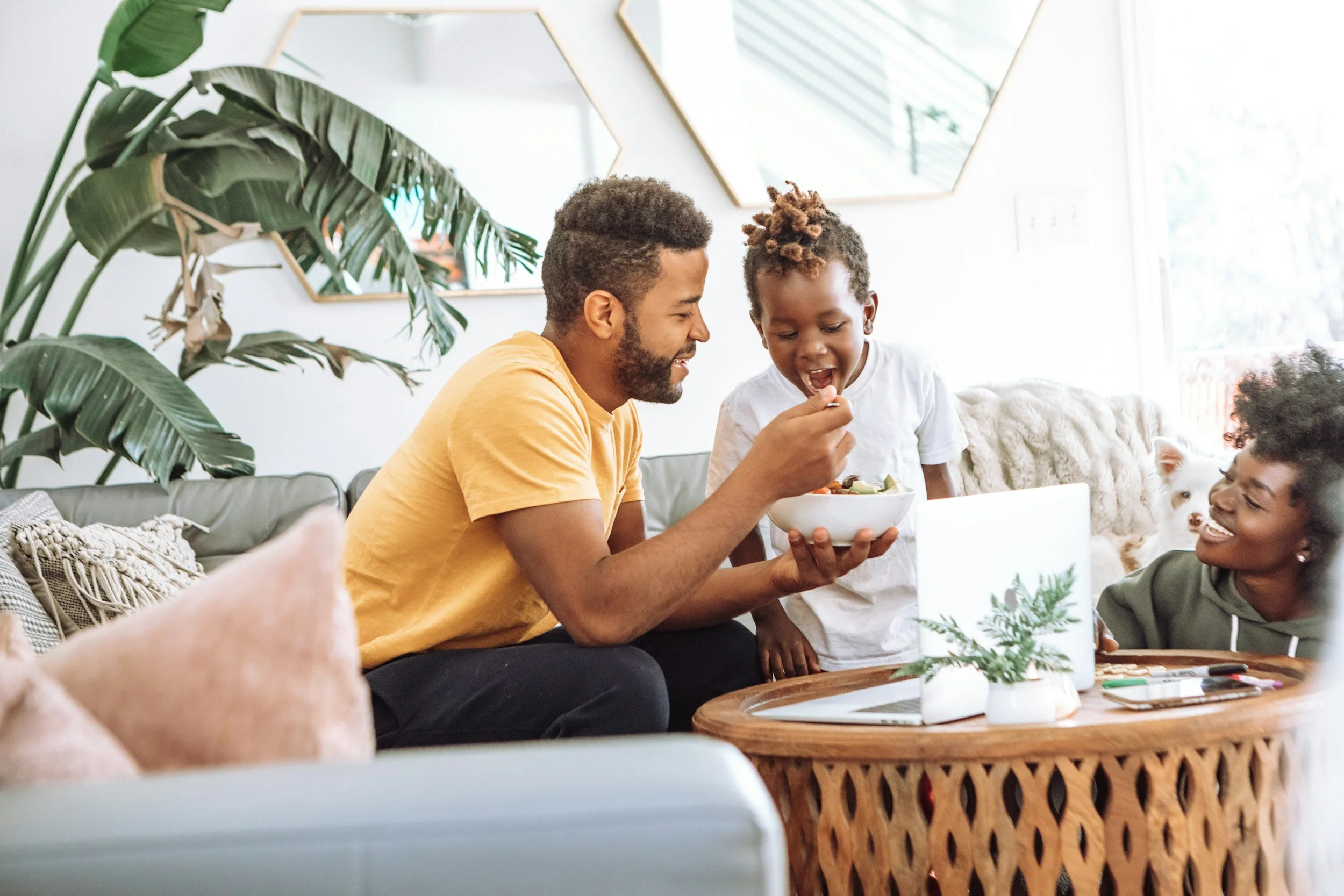
Raising two children on your own reshapes how a home must function. The house cannot revolve around decoration or trends. It must support routine, reduce friction, and allow you to manage time and energy without constant negotiation. When the physical environment works with you instead of against you, mornings move faster, homework runs smoother, and evenings feel less tense. Every decision, from furniture choice to wall color, affects how the day unfolds.
This guide focuses on practical structure, not perfection. It explains how to design spaces that support independence, safety, emotional stability, and efficiency for a single father raising two children.
Start With Structure, Not Style
Strong structure creates calm. Before buying new furniture or repainting walls, examine how your current layout handles a typical weekday. Notice where clutter builds up, where arguments tend to start, and where time gets wasted. Those pain points usually reveal design flaws rather than behavioral problems. A pile of shoes by the door suggests missing storage. Repeated reminders about backpacks signal a need for visible organization.
Define clear zones within the home, even if space is limited. A defined study area improves focus more than asking a child to “concentrate.” A consistent place for keys, school notes, and charging devices eliminates daily searching. Use wall hooks at child height for jackets and bags. Install labeled bins for sports equipment or hobby supplies. Closed storage reduces visual noise, which in turn lowers mental overload.
Position your own workspace strategically. As a single father, you often need to supervise while multitasking. If possible, arrange furniture so you can see the main living space from where you work. Open sightlines reduce the need for constant checking and shouting across rooms. Keep traffic paths clear. Children move quickly, and narrow passages filled with decorative furniture increase accidents and frustration.
Place routine directly into the environment. Mount a weekly calendar on the wall near the kitchen. Use a whiteboard for reminders and responsibilities. Create a designated charging station in one fixed location. Physical consistency supports memory and reduces repetitive conversations. Structure should quietly support the day without constant correction.
Bedrooms That Grow With Them
Children’s bedrooms should evolve without requiring a full redesign every few years. Start with durable foundations and allow personality to develop through adaptable details. Neutral wall colors such as soft gray, muted blue, or warm white provide flexibility. Bedding, AI posters, and decorative items can change as interests shift.
If the children share a room, invest in a sturdy bunk bed with proper guardrails and a stable ladder. Choose a model that can later separate into two individual beds. That flexibility prevents another large expense during adolescence. If they have separate rooms, keep layouts simple and consistent. Position beds against solid walls rather than under windows, and avoid placing desks directly facing beds, which can blur the boundary between rest and study.
Storage must be practical rather than decorative. Install adjustable shelving inside wardrobes so space adapts as clothing sizes change. Use under-bed drawers for seasonal items. Secure tall bookcases to the wall to prevent tipping. Give each child at least one small area that belongs entirely to them, such as a cork board or shelf, reinforcing ownership and independence.
Lighting requires careful planning. Install overhead lighting for general use, but also provide desk lamps for focused study and softer bedside lamps for reading. Warm light tones in the evening support better sleep. If siblings share a room with different bedtimes, consider white noise machines or thicker rugs to soften sound.
A well-designed bedroom supports rest, privacy, and growth. It should feel stable without feeling rigid.
The Living Room as Operational Headquarters
The living room must handle multiple roles: conversation space, relaxation zone, overflow study area, and play space. Fragile furniture does not survive long in that environment. Choose a sofa with washable or stain-resistant fabric. Dark neutral tones hide minor wear without feeling heavy. Add a low-pile, washable rug to reduce noise and provide comfort underfoot.
Hidden storage helps maintain order. Ottomans with internal compartments can hold board games. Media consoles with drawers conceal cables and controllers. Open shelving looks appealing but often turns into visual clutter if not carefully maintained.
Mount the television securely and conceal cables whenever possible. Install outlet covers if children are younger. Keep floor space open to allow natural movement and play. Crowded layouts increase tension and accidents.
Create a central organization wall in or near the living area. Post school schedules, extracurricular activities, and important dates. When information is visible, fewer reminders are needed.
Balance adult and child comfort. Include at least one comfortable chair or quiet corner for yourself. A single father who has no personal recharge space becomes depleted faster. The home should support you as much as it supports your children.
Choose a durable dining table if the living and dining spaces connect. Avoid delicate glass or unstable designs. Solid wood or reinforced materials withstand heavy use, similar to the durability expected from restaurant chairs that are built for constant daily pressure. Sturdy furniture reduces stress because you do not need to constantly protect it.
The living room should remain functional, not staged. Open space matters more than decorative accessories.
A Kitchen That Builds Independence
The kitchen often sets the tone for the day. Designing it to include children rather than exclude them builds responsibility and reduces conflict. If upgrading appliances, consider induction cooktops for added safety. If using gas, install protective knob covers when children are younger.
Organize drawers with dividers so utensils remain accessible and orderly. Soft-close mechanisms reduce noise and prevent damage. Create one designated snack drawer at child height filled with approved options. That small change decreases constant requests and teaches decision-making.
Keep sharp tools and cleaning chemicals stored in upper or locked cabinets. Store medications in a secure, high location. Provide stable, non-slip step stools for children helping with meal preparation. Encourage participation through simple tasks that match their age.
Choose practical finishes. Matte surfaces hide fingerprints better than glossy ones. Warm, neutral wall tones keep the kitchen inviting without overstimulation. Invest in a quiet dishwasher if possible, especially if homework happens nearby.
Position the dining area to promote conversation. Avoid placing screens directly in view of the table. Shared meals strengthen connection and create predictable daily rhythm. Visible meal planning on the refrigerator or wall reduces last-minute stress and sets expectations clearly.
A kitchen designed for participation builds skills over time. Children who learn basic cooking and cleaning responsibilities develop confidence and independence.
Smart Technology That Supports, Not Controls
Technology can reduce workload when chosen intentionally. Install a smart doorbell so you can monitor entrances without interrupting other tasks. Use reliable Wi-Fi with built-in parental controls to manage screen time centrally rather than negotiating daily limits.
Consider a robot vacuum to maintain floors during school hours. Automated cleaning frees up time for other responsibilities. A programmable thermostat allows you to manage heating and cooling around school schedules, improving comfort and reducing energy waste.
Air purifiers in bedrooms can improve sleep quality if allergies are present. White noise machines can help siblings sleep independently in shared spaces.
At the same time, avoid turning the house into a surveillance system. Placing indoor cameras in private areas such as bedrooms sends the message that trust is conditional. Children develop responsibility through guidance, not constant monitoring. Use technology primarily for safety and efficiency, not control.
Centralize device charging in one visible area outside bedrooms. Keeping phones and tablets out of beds improves sleep and reduces late-night conflicts. Technology should quietly support routine rather than dominate it.
Color, Light, and Emotional Stability
Color choices influence mood more than many realize. Select calming tones for bedrooms, such as muted greens or soft blues. These shades encourage relaxation without feeling dull. Avoid intense reds or bright, saturated colors on large wall surfaces, as they can increase restlessness.
In shared living spaces, warm neutrals create balance. Beige, soft gray, or warm white walls allow decorative changes without repainting. Limit busy patterns that distract during homework or conversation.
Lighting should adapt to activity. Use warm bulbs around 2700K for evening relaxation and slightly brighter tones for study areas. Install dimmers when possible so light intensity matches the time of day. Natural light during the morning energizes; softer lighting in the evening signals transition toward rest.
Use blackout curtains in bedrooms if early sunlight disrupts sleep. Install small night lights in hallways to prevent nighttime accidents. Layered lighting allows control without harsh brightness.
Atmosphere shapes behavior quietly. A calm environment reduces unnecessary stimulation and helps children regulate emotions more easily.
Safety as Preparation, Not Fear
Safety planning should feel steady and practical. Anchor all tall furniture securely to walls. Install smoke and carbon monoxide detectors and test them monthly. Keep fire extinguishers accessible in the kitchen and garage.
Store medications and chemicals securely. Lock toolboxes in garages or sheds. Install child-safe window locks while maintaining emergency escape routes.
Keep a clearly visible first aid kit and teach children basic use. Involving them in safety knowledge reduces fear and builds competence.
Avoid excessive restrictions that communicate constant danger. Explain safety rules calmly and clearly. Children respond better when they understand purpose rather than when they sense anxiety.
Preparedness builds confidence for both father and children.
Building Identity and Belonging
Function alone does not create belonging. A single father’s home should feel shared and stable. Create a family photo wall that documents growth and shared memories. Update it annually to show continuity.
Establish consistent rituals such as weekly movie nights or Sunday breakfasts. Predictable traditions provide emotional anchors during change.
Encourage children to participate in decorating certain areas. Let them choose artwork or small accessories. Participation builds pride in the space.
Allow normal wear and imperfection. A home with two children will not remain pristine. Focus on how it feels rather than how it looks.
Protect a small personal recharge area for yourself. Even a single comfortable chair in a quiet corner helps maintain patience and energy.
Language matters. Refer to the space as “our home.” Reinforce teamwork and shared responsibility. When the environment supports routine, safety, and connection, daily life becomes steadier.
A well-designed home does not need to impress anyone. It needs to function, reduce friction, and support growth. Durable furniture, thoughtful lighting, organized storage, and balanced technology work together to create stability. When the physical space aligns with daily needs, parenting becomes more manageable, and children gain confidence in the security of their surroundings.
Related:
