
Designing Playground Spaces That Encourage Active Outdoor Learning
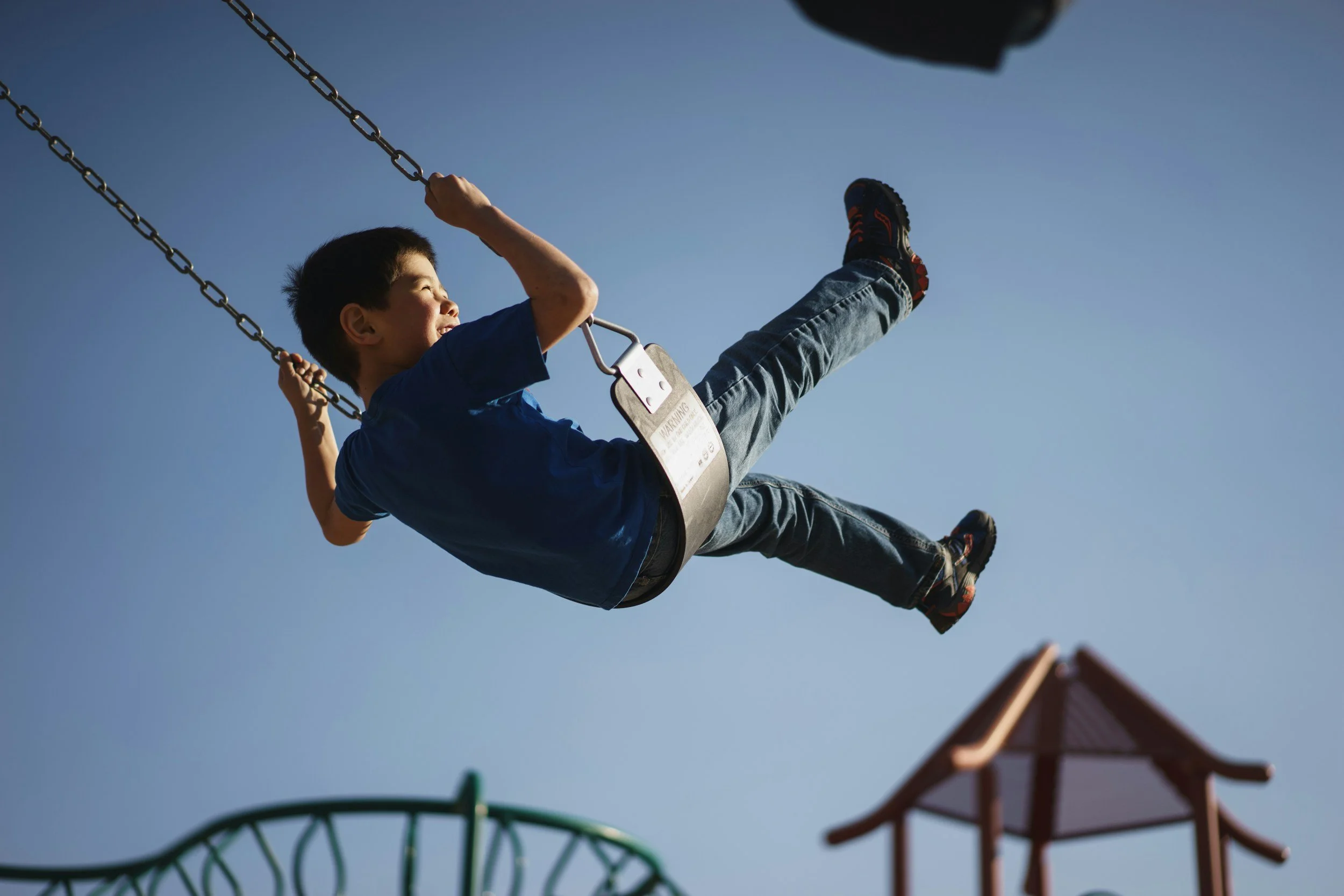
Outdoor play areas provide children with opportunities to explore, move, and engage with their surroundings. Thoughtful design of these spaces helps nurture creativity, problem-solving, and social interaction while promoting physical activity. A well-planned playground can become an extension of the classroom, supporting learning through movement and exploration.
Understanding the Role of Design in Learning
The layout and choice of playground equipment influence how children interact with the environment. When each feature supports both play and education, children can develop cognitive and motor skills simultaneously. Integrating variety and challenge encourages curiosity and helps children learn through self-directed discovery.
Balancing Physical and Cognitive Development
Playgrounds that combine physical challenges with opportunities for imagination create balanced learning experiences. For example, climbing structures strengthen muscles and coordination while also teaching risk assessment. Spaces for creative play, such as sand or water areas, allow children to experiment and build problem-solving skills.
Incorporating Natural Elements
Natural materials and landscapes foster a stronger connection to the environment. Grass, trees, rocks, and water features can all be integrated into the design to make play more sensory and immersive. These elements also provide lessons in ecology and environmental awareness, helping children understand natural systems through direct interaction.
Logs and boulders for climbing and balancing
Gardens for exploring plant growth and seasonal change
Water channels for understanding flow and cause-effect relationships
Natural components encourage open-ended play, allowing children to invent their own rules and narratives. This type of play supports creativity and emotional development while maintaining a strong educational focus.
Designing for Inclusivity and Accessibility
Inclusive playground design ensures that all children, regardless of ability, can participate fully. Ramps, tactile surfaces, and sensory panels create equitable access to play and learning opportunities. Accessibility should be considered from the earliest design stages to ensure seamless movement and engagement for everyone.
Encouraging Social Interaction
Social learning is a vital part of outdoor education. Group activities on swings, shared climbing structures, and cooperative games help children build communication and empathy. Spaces that promote teamwork encourage collaboration and teach children to value diverse perspectives.
Integrating Educational Themes
Playground features can be designed to align with subjects taught in school. Number patterns, measurement challenges, and nature observation zones link physical play to academic concepts. When children learn through physical experience, knowledge retention often improves, and enthusiasm for learning grows.
Planning and Funding Considerations
Creating a high-quality learning playground requires careful planning and budgeting. Communities often explore funding options such as playground equipment grants to support these projects. Grants can help schools and organizations invest in durable, safe, and educational play structures suited to their specific needs.
In addition to financial planning, collaboration with teachers, parents, and designers ensures that the final layout supports both learning goals and child development principles. Safety standards, material quality, and long-term maintenance should also be evaluated to sustain the space over time.
Building a Culture of Outdoor Learning
When playgrounds are designed with intentional learning goals, they become more than recreational spaces. They transform into dynamic environments that encourage exploration, cooperation, and discovery. By combining creative design, diverse materials, and appropriate playground equipment, communities can foster lifelong habits of active and curious learning.
