
The 30-Minute Power Zone: Essential Equipment and Layout Tips for Busy Fathers
You want to get stronger and stay healthy, but finding time between work, family duties, and everything else feels impossible. The good news is that you don't need hours at a commercial gym to see real results. A simple home gym setup combined with focused 30-minute workouts can help you build strength, burn fat, and keep up with your kids without sacrificing family time.
Most dads think they need fancy equipment or long workout sessions to make progress. That's not true. With the right approach, you can create an effective training space in your garage, basement, or spare room that fits your schedule and budget.
This guide will show you how to build a practical home gym that works for your life. You'll learn which exercises give you the most benefit in the shortest time and how to stay consistent even when life gets busy.
Designing Your 30-Minute Home Gym Routine
A smart 30-minute routine focuses on compound movements that work multiple muscle groups at once, paired with equipment that takes up minimal space but offers maximum versatility. Your setup should support quick transitions between exercises to keep your heart rate up and make every minute count.
Selecting Effective Compact Equipment
Start with adjustable dumbbells that range from 5 to 50 pounds. These replace an entire rack of weights while fitting in a corner of your garage or spare room.
A resistance band set gives you variable tension for warm-ups, strength work, and mobility exercises. Look for bands with different resistance levels that you can attach to door frames or sturdy furniture.
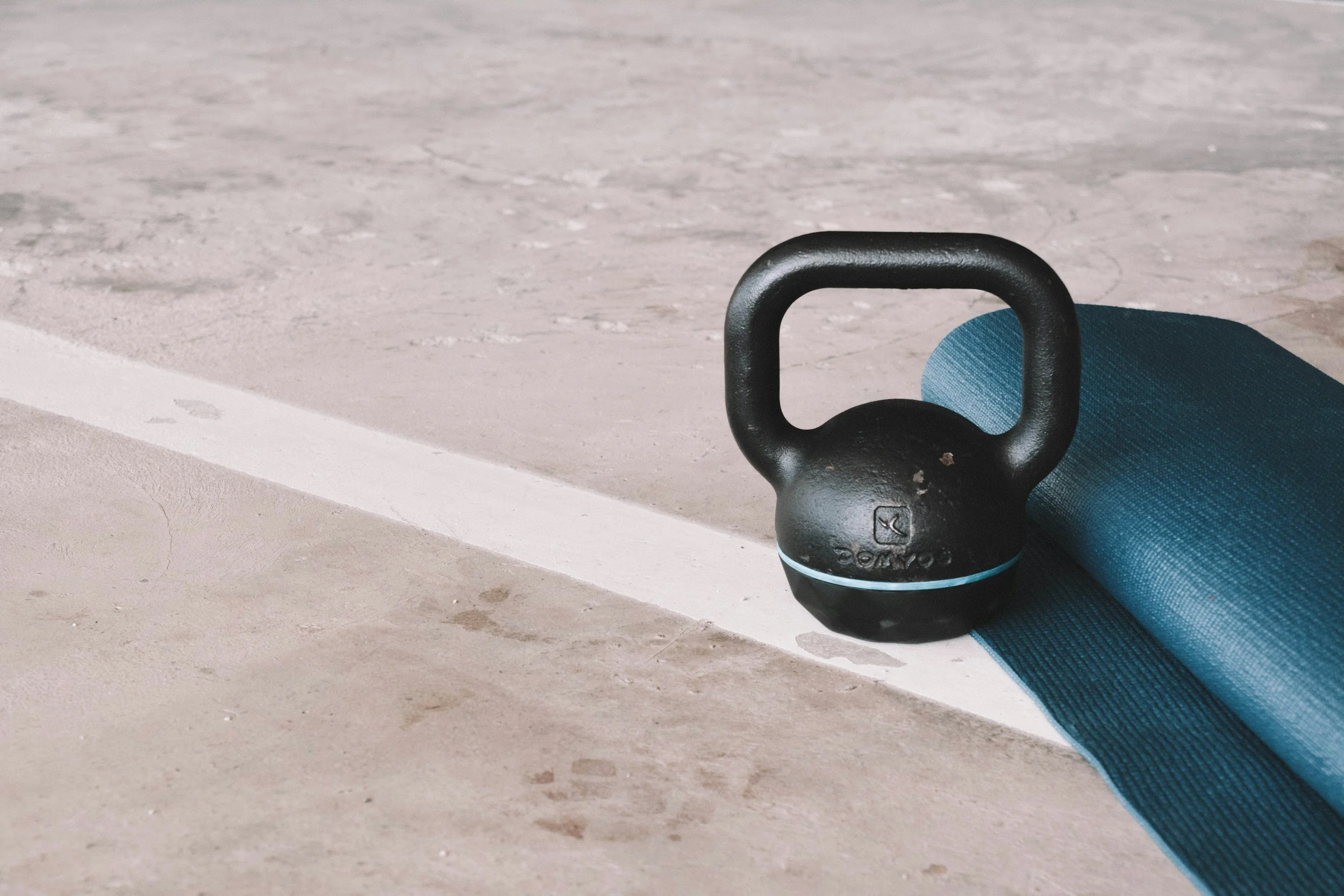
Consider a kettlebell in the 35-45 pound range for swings, squats, and Turkish get-ups. This single piece covers cardio and strength in one tool. Add a pull-up bar that mounts in a doorway for upper body pulling movements.
A workout mat protects your floors and cushions your joints during floor exercises. Skip machines and benches at first since your budget and space work better with versatile free weights that force your body to stabilize itself.
Maximizing Limited Space for Versatility
Dedicate a 6x6 foot area in your basement, garage, or bedroom. This gives you enough room to do lunges, burpees, and other full-body movements without hitting walls or furniture.
Mount hooks or pegboard on one wall to hang resistance bands, jump ropes, and foam rollers vertically. Store your dumbbells on a small rack or under a bench to keep the floor clear.
Use furniture you already own as workout tools. A sturdy chair works for step-ups, dips, and incline push-ups. Your coffee table can anchor resistance bands for rowing movements.
Create zones within your space. Keep weights in one corner, bands in another, and leave the center open for bodyweight cardio. This organization lets you move quickly between exercises without wasting precious workout minutes searching for equipment.
Choosing Time-Efficient Workouts
Build your routine around circuit training with 4-5 exercises performed back-to-back. Work for 40 seconds on each exercise with 20 seconds of rest between moves. Complete 4-5 rounds of the circuit to fill your 30 minutes.
Focus on compound movements like squats, push-ups, rows, lunges, and deadlifts. These exercises burn more calories and build more muscle than isolation moves like bicep curls. You get better results in less time.
Alternate between upper body and lower body exercises within each circuit. This lets one muscle group recover while you work another, keeping your intensity high throughout the session.
Schedule three strength sessions and two cardio-focused sessions each week. Your strength days might include dumbbell squats, push-ups, bent-over rows, and planks. Cardio days can mix jumping jacks, mountain climbers, burpees, and high knees.
Creating a Motivating Workout Environment
Set up your space near a window for natural light and fresh air. Good lighting and ventilation make early morning or late evening workouts more appealing.
Keep a small speaker nearby to play energizing music. Upbeat songs help you push through tough sets and make the time pass faster.
Place a wall clock or timer where you can see it easily. Visual feedback on your work and rest periods keeps you on track without checking your phone.
Post a simple workout chart on the wall that lists your exercises and target reps. This eliminates decision fatigue and keeps you moving from one exercise to the next without breaks to figure out what comes next. Add a small whiteboard to track your progress and write down the weights you used each session.
Balancing Fitness and Dad Life
Finding time to exercise while managing family responsibilities requires smart planning and flexible thinking. The good news is that you can build real fitness progress without sacrificing time with your kids or falling behind on your responsibilities.
Fitting Workouts Into a Packed Schedule
Start by looking at your actual free time blocks during the week. Most dads have 30 to 60 minutes of genuine free time each day, which is enough for an effective workout.
Early morning sessions work well for many dads. You can finish your workout before the household wakes up. This approach means no interruptions and you start your day energized.
Lunch break workouts are another option if you work from home. A quick 25-minute session fits easily into a standard lunch hour. You still have time to eat and get back to work.
Break your workouts into smaller chunks if needed. Two 15-minute sessions spread across your day build the same strength and burn similar calories as one 30-minute block. This flexibility helps you stay consistent even on your busiest days.
Involving the Family in Fitness
Turn your home gym into a family activity space. Your kids can join you for bodyweight exercises or light dumbbell work. They learn healthy habits by watching you prioritize fitness.
Create simple games around your workout. Challenge your kids to see who can do the most push-ups or hold a plank longest. These activities make exercise fun while you still get your training done.
Weekend family workouts can replace one of your solo sessions. Set up circuit stations in your yard or garage where everyone rotates through different exercises. This builds family bonding time while you maintain your fitness routine.
Your partner might want to join you for workouts too. Trading off childcare duties while each of you exercises gives both parents dedicated gym time.
Tracking Progress and Staying Accountable
Write down your workouts in a simple notebook or phone app. Track which exercises you did, how many reps, and what weight you used. This record helps you see real progress over weeks and months.
Take progress photos every two weeks. Stand in the same spot with the same lighting. Physical changes show up in photos before you notice them in the mirror.
Set specific goals that match your schedule. Aim for three 30-minute workouts per week rather than vague goals like "get in shape." Clear targets keep you accountable.
Find another dad to check in with weekly. Text each other about completed workouts. This simple accountability helps you stay consistent when motivation drops.
Related:
