
The Dad's Guide to Packing Lunch Snacks That Your Kids Actually Want to Eat
Introduction
Lunch snacks are the forgotten frontier of kids' nutrition. Most dads focus on dinner and breakfast, but what happens between meals is often the difference between a kid who's focused and energized at school versus one who's hitting the 2 PM crash hard. The challenge isn't just finding something healthy, it's finding something your kids will actually eat without complaint.
Here's the reality: your child's afternoon snack directly impacts their ability to concentrate in class, their mood after school, and their energy levels for homework and sports. A thoughtful mid-day snack prevents overeating at dinner and keeps blood sugar stable throughout the afternoon. But between work demands and the usual parenting chaos, most dads default to whatever's convenient, which usually isn't the healthiest option.
The good news is that feeding your kids well doesn't require becoming a nutrition expert or spending hours meal prepping. It requires understanding a few basic principles and having a solid strategy for snack selection and preparation.
Key Takeaways
The timing and composition of lunch snacks significantly impact children's afternoon focus, mood, and energy levels
A balanced snack combines protein, healthy fats, and complex carbs to prevent blood sugar crashes and keep kids satisfied
Most healthy snacks are cheaper than processed alternatives when you buy strategically and prep ahead
Involving kids in snack selection and preparation dramatically increases the likelihood they'll actually eat them
Simple, whole food snacks require minimal preparation and store well in school lunch boxes
Why Lunch Snacks Matter More Than You Think
Your child's brain uses about 20 percent of their total daily energy, and it's incredibly sensitive to blood sugar fluctuations. When kids eat a sugary snack or nothing at all before afternoon classes, their blood sugar spikes and then crashes, taking their focus and mood with it. You've probably noticed your child is grumpy and unfocused around 3 or 4 PM, right after school when they hit a wall of hunger and fatigue.
That afternoon crash isn't just uncomfortable, it's developmentally problematic. Kids can't concentrate on homework, they're more prone to behavioral issues, and they're more likely to make poor food choices at dinner because they're so hungry. A strategic snack around 2 or 3 PM prevents all of this and keeps the afternoon productive.
Beyond focus and mood, snacks significantly impact your child's overall nutrition. If your kids aren't snacking well, they're not getting enough fruits, vegetables, calcium, and protein throughout the day. A single healthy snack can contribute a meaningful portion of their daily nutrient requirements, especially if you choose snacks that pack nutritional density.
What Actually Makes a Snack Healthy
This is where most parents get confused. They think healthy snacks need to be tasteless or boring, but that's the opposite of helpful. Your kids won't eat something they don't like, no matter how nutritious it is, so palatability is genuinely important.
A solid snack for kids should combine three components: protein, healthy fats, and complex carbohydrates. This combination keeps blood sugar stable, provides sustained energy, and keeps kids satisfied until their next meal. A snack with just carbs (like crackers or fruit alone) will give them a quick energy boost followed by a crash. A snack with just protein is often too heavy and unsatisfying.
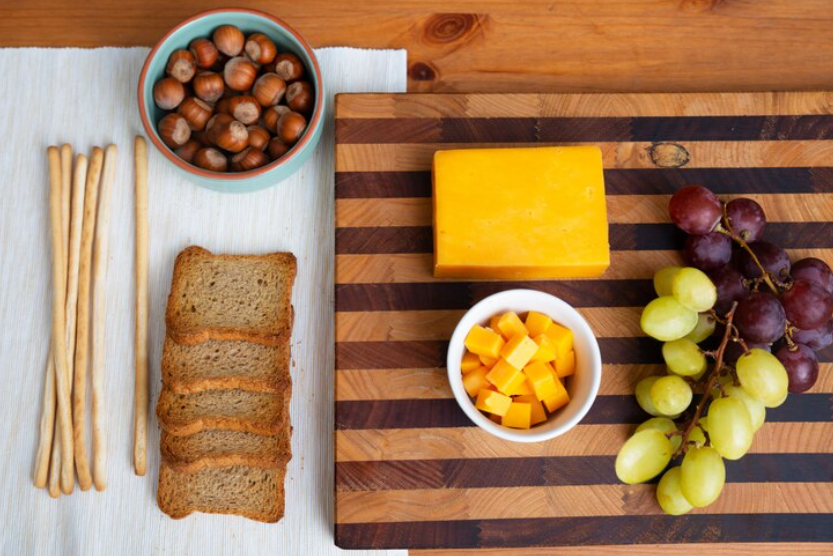
Good examples include apple slices with almond butter, cheese and whole grain crackers, Greek yogurt with berries, or hummus with vegetables. These aren't complicated or labor intensive, but they're miles ahead of the processed snack aisle in terms of both nutrition and sustained energy.
The other consideration is nutrients your kids might be missing. If your child isn't eating much fruit, choose a snack that includes it. If calcium is a gap, incorporate dairy or fortified alternatives. If they need more vegetables, raw veggies with a dip work remarkably well. Your snack strategy is actually one of your best opportunities to fill nutritional gaps across the whole day.
The Most Common Snacking Mistakes Parents Make
The biggest mistake is offering too many choices. When you give kids eight snack options, they're overwhelmed and often choose the least nutritious one. Instead, offer two choices: "Would you like cheese and crackers or an apple with peanut butter?" This gives them autonomy while you still control the nutrition.
Another major mistake is not including enough protein or fat. If your child's snack is just toast with jam or a bowl of pretzels, you're setting them up for a blood sugar crash within an hour. Adding a protein source like nut butter, cheese, or yogurt completely changes the equation and keeps them satisfied for hours.
Parents also frequently ignore portion sizes. Kids don't need massive snacks, just strategic ones. A serving is often smaller than you think, but that's actually fine because of the staying power of balanced snacks. A quarter cup of nuts with a piece of fruit is genuinely enough, and more importantly, it's actually eaten rather than wasted.
Finally, most parents don't involve their kids in snack selection or preparation. When children help choose or prepare their snacks, they're exponentially more likely to actually eat them. This is a game changer for picky eaters and a genuine opportunity to teach kids about nutrition and cooking skills at the same time.
Building Your Snack Strategy
Start by assessing what your child actually enjoys eating. You don't need to work around extreme preferences, but you do need to acknowledge them. If your child hates raw broccoli but likes broccoli roasted with a little olive oil, that's the version to offer. If they prefer soft apples to crisp ones, get the soft ones.
Next, decide on a consistent snack time. Most kids do best with a snack around 2 or 3 PM, timing it so they're not eating too close to dinner. Consistency actually makes snacking easier, not harder, because it becomes part of the routine and kids know what to expect.
Then, batch prep some snack components at the beginning of the week. Cut vegetables, portion out nuts into small containers, prepare dips, cook eggs, or make a batch of homemade energy balls. Learning simple snack preparation techniques makes this process faster and easier each week. You don't need to prepare complete snacks, just components that you can quickly assemble when needed.
Finally, rotate your snacks to prevent boredom and ensure variety. If you serve apple with almond butter every day, your child will eventually get tired of it. By rotating through different combinations, you keep things interesting while ensuring your child gets a diverse nutrient profile.
Making It Easy to Actually Execute
The parents who succeed with healthy snacking aren't the ones with perfect meal plans. They're the ones who make it easy to choose the healthy option. This means keeping healthy snacks visible and accessible, with processed snacks either not in the house or harder to reach.
Stock your pantry with shelf-stable proteins like nuts, seeds, canned beans, and dried fruit. Keep your fridge stocked with cheese, yogurt, and vegetables. Have whole grain crackers and bread on hand. These basic ingredients come together infinitely and require minimal prep. When these are what's available, that's what kids eat.
You can absolutely find resources that help you put this all together. Whether you're looking for pre-made options that take the guesswork out of balanced snacking or inspiration for homemade combinations, having good resources makes this dramatically easier. You can find healthy lunch snacks for the family from providers who understand what balanced nutrition actually looks like, taking the decision-making out of your hands if that's easier for your situation.
The reality is that life with kids is hectic. If you can reduce the mental load and decision fatigue around snacking by using pre-assembled options sometimes, that's a smart parenting call, not a failure. Perfect is the enemy of good, and consistent adequate snacking beats sporadic perfect snacking every time.
The Psychology of Snack Choices
Your child's snack preferences aren't random, they're heavily influenced by exposure and familiarity. If your child hasn't been offered hummus much, they might reject it initially. But exposure over time genuinely changes food preferences, even for kids who seem picky.
The key is persistent, low-pressure exposure. Offer new snacks alongside familiar favorites without requiring your child to eat the new option. When they see you and their siblings eating and enjoying something, curiosity eventually wins and they become willing to try it. This process takes weeks or months sometimes, but it works consistently.
Texture and temperature matter hugely for kids. Some prefer crunchy snacks, others like soft ones. Some like cold snacks on hot days, warm snacks when it's cold. You're not being accommodating by respecting these preferences, you're being smart because meeting your child where they are actually increases the likelihood they'll eat well.
Color and presentation matter too. A colorful array of snacks is more appealing than a monochrome plate. Offering snacks on sticks or in a fun container sometimes shifts the entire dynamic. These aren't tricks to manipulate your child into eating, they're genuine principles about how food appeal works for everyone.
The Long-Term Impact of Good Snacking Habits
When kids develop healthy snacking habits early, they carry those patterns into adolescence and adulthood. They're more likely to naturally prefer whole foods, to recognize hunger and fullness cues, and to make independent food choices that serve their health well.
Beyond the nutrition piece, involving your child in snack planning and preparation teaches them practical cooking skills and builds confidence around food. By high school, these kids often know how to prepare a balanced snack independently and understand the nutrition basics behind their choices. That's genuinely valuable knowledge that serves them for life.
There's also a financial component worth mentioning. Whole food snacks cost significantly less than the processed alternatives when you buy strategically. A quarter pound of cheese, some whole grain crackers, and an apple is cheaper than buying packaged snack boxes or processed snack items. Over the course of a year, choosing whole foods for snacks saves most families real money while improving nutrition.
FAQ: Common Questions About Kids' Snacks
Q: How much should my child eat as a snack? A good guideline is 100 to 200 calories depending on your child's age and activity level. This is enough to prevent a blood sugar crash and carry them to the next meal without spoiling their appetite. Generally, a piece of fruit plus a protein source or a small handful of nuts and some cheese hits this range.
Q: Is it okay if my child eats the same snack every day? It's fine occasionally if that's what works, but variety is better for overall nutrition. Kids naturally get bored, and offering different combinations keeps things interesting while ensuring they get a diverse nutrient profile. Rotation doesn't need to be complicated, just cycling through four or five reliable combinations works great.
Q: What if my child is a picky eater and won't eat most healthy snacks? Start with snacks you know your child likes, then very gradually introduce variations. If they like apples, offer different varieties of apples. If they like cheese, try different types of cheese or pair it with different crackers. Small variations help them expand their comfort zone without feeling rejected if they don't like something.
Q: Are store-bought healthy snacks worth the money? Sometimes, especially if it means your child actually eats a balanced snack rather than something processed because the healthy option wasn't convenient. The best snack is the one your child will actually eat. If that's a higher-quality store-bought option that hits all the nutritional boxes, that's a valid choice.
Q: How far in advance can I prepare snacks? Most components can be prepped at the beginning of the week and stored in the fridge for three to five days. Nuts and seeds stay fresh for weeks in airtight containers. Fresh fruit should be cut closer to eating time if you want to prevent browning, though some fruits like apples brown after a while and that's harmless. Having components ready means you can quickly assemble snacks rather than starting from scratch.
Q: Should I be concerned about nut allergies at school? Always check your school's allergy policies and pack accordingly. There are plenty of protein-rich snacks that don't involve nuts. Seeds, beans, cheese, yogurt, and meat options all work. Knowing your school's policy and your child's specific situation lets you plan appropriately without stress.
Conclusion
Lunch snacks are one of the highest-impact areas where you can improve your child's nutrition and wellbeing without major lifestyle changes. A strategic mid-day snack keeps your child focused, energized, and better able to handle afternoon activities and homework. It's genuinely one of the easier ways to make a real nutritional difference.
You don't need to be perfect or complicated. You need to be consistent and thoughtful. Pick a few snack combinations your child actually enjoys, prep components at the beginning of the week, and make sure there's always something available. Within a few weeks, good snacking becomes routine and your child's afternoon energy and focus will noticeably improve.
Start this week. Choose one reliable snack combination you can prepare and offer it consistently. You'll quickly see the difference in your child's afternoon behavior, focus, and overall wellbeing. That's how small changes around parenting add up to meaningful impact.
