
How Dads Can Reduce the Mental Load and Share Household Responsibilities
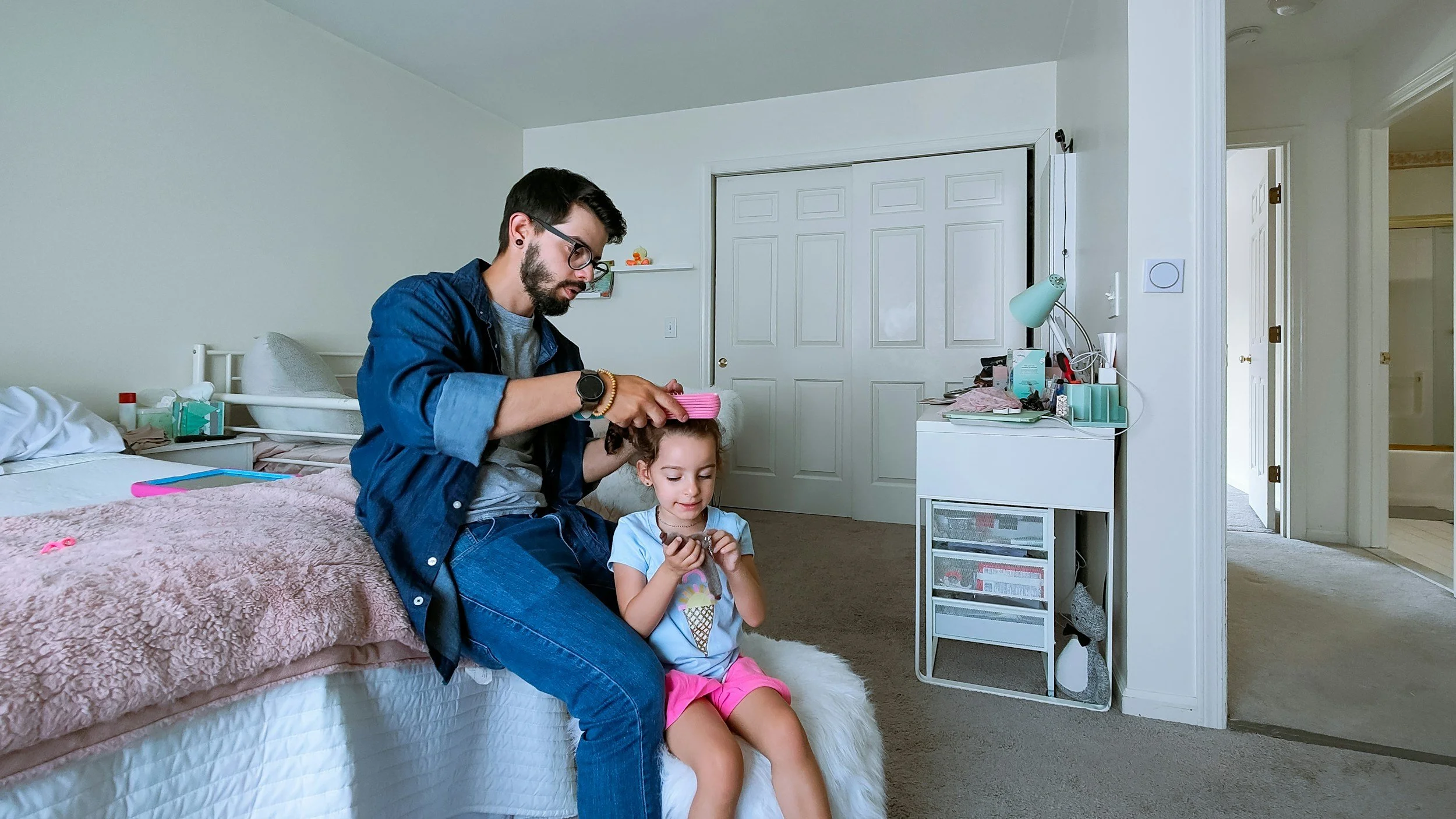
Being an involved dad means more than spending quality time with your children or helping with chores when asked. It also means taking responsibility for the planning, remembering, and organizing that keeps family life running. These invisible responsibilities can be easy to overlook, but they often require just as much attention as the physical work itself.
The mental load of running a home includes remembering appointments, noticing when supplies are running low, planning meals, arranging school requirements, and keeping track of household maintenance. When one parent manages most of these responsibilities, even a well intentioned division of chores can feel unbalanced. Dads can make a meaningful difference by moving from occasional assistance to genuine ownership of family responsibilities.
Understand What the Mental Load Really Means
The mental load is the work that happens before a chore is completed. Taking out the rubbish is a physical task, but someone also has to notice that the bin is full, remember collection day, and make sure replacement bags are available. Preparing dinner involves more than cooking because ingredients, schedules, preferences, and shopping all require planning.
These responsibilities can accumulate throughout the day, particularly when one parent is expected to remember everything. Dads can begin by paying attention to the decisions and reminders that keep the household functioning. Recognizing this work makes it easier to share it fairly rather than assuming that completing a few visible chores is enough.
Take Ownership of Cleaning Instead of Waiting for Instructions
Cleaning is one area where dads can reduce both physical work and mental pressure. Rather than asking what needs to be done, take responsibility for specific areas or recurring tasks. This might include managing bathroom cleaning, keeping floors maintained, or making sure household cleaning supplies are available.
If deeper cleaning is difficult to fit around work and family commitments, arranging outside help can also be a practical option. Gear Brain's Homeaglow feedback describes a remote worker's experience using the online cleaning marketplace, including choosing a cleaner, communicating priorities, and arranging recurring appointments. The review also notes that cleaner quality can vary and discusses membership commitments, so families should check individual profiles and current terms before booking. For dads, the important lesson is that arranging help should include managing the booking, expectations, and follow through rather than leaving those details to a partner.
Replace “Just Tell Me What to Do” With Clear Ownership
Offering to help is a positive intention, but it can still leave the other parent responsible for managing the household. When someone has to identify every task, explain how to complete it, and remind another person to follow through, much of the mental work remains with them.
A better approach is to take full ownership of a responsibility. If you manage laundry, that includes noticing when clothes need washing, handling the process, and making sure clean items are put away. If you are responsible for school lunches, it includes planning, checking supplies, and preparing them without relying on repeated reminders. Clear ownership allows both parents to trust that important responsibilities are being handled.
Learn the Family Schedule Without Relying on Your Partner
School events, medical appointments, extracurricular activities, and family commitments can create a complicated schedule. Dads can reduce the mental load by actively managing the calendar rather than depending on a partner to communicate every detail.
Use a shared calendar and enter relevant appointments yourself. Take responsibility for confirming times, arranging transportation, and preparing anything needed for activities you manage. If you are responsible for taking a child to an appointment, handle the necessary paperwork and follow up as well. This approach turns scheduling into a shared responsibility rather than another task that one parent must coordinate.
Take Responsibility for Meals and Household Supplies
Meal planning can involve a constant series of decisions about what to cook, which ingredients are available, and what the family needs for the coming days. Dads can take ownership of certain meals or manage the grocery process to reduce this burden.
This means more than occasionally cooking dinner. It includes choosing suitable meals, checking ingredients, creating a shopping list, and making sure the kitchen is cleaned afterward. You can also monitor household essentials such as toiletries, cleaning products, and school supplies. Taking responsibility for the complete process prevents your partner from having to manage the details behind the scenes.
Share the Work of Parenting Administration
Parenting involves a significant amount of organization that is not always visible. School forms, permission slips, clothing requirements, birthday invitations, and communication with teachers can all require attention. These responsibilities should not automatically fall to one parent.
Dads can take ownership of specific areas, such as school communication, activity registration, or managing children's clothing needs. Stay informed about deadlines and requirements, and complete the necessary follow up without waiting to be reminded. Sharing these administrative responsibilities can make family life more balanced and help both parents remain actively involved.
Make Household Maintenance Your Responsibility
Home maintenance is another area where planning and follow through matter. A repair may require noticing a problem, researching options, arranging an appointment, and making sure the work is completed. Simply agreeing that something needs fixing does not remove the responsibility from the person who is managing the process.
Dads can take ownership of maintenance tasks by keeping track of recurring needs and handling repairs within their abilities. When professional help is required, manage the research, scheduling, and communication. The goal is not to assume that maintenance must be a dad's role, but to ensure that it is genuinely shared and not left as another item on a partner's mental checklist.
Use Shared Systems That Everyone Maintains
A shared calendar, grocery list, or household task system can make responsibilities easier to coordinate. These tools are most useful when both parents contribute rather than one person being responsible for entering every detail and reminding everyone to check it.
Agree on a simple system that fits your household. Dads can add appointments, update shopping lists, and track the responsibilities they own. Avoid creating an elaborate process that requires more administration than it saves. The purpose is to make information accessible and reduce the need for one person to remember everything.
Involve Children in Age Appropriate Responsibilities
Children can learn that maintaining a home is a shared family responsibility. Dads can help develop these habits by teaching children how to complete suitable chores and encouraging them to take ownership of their belongings.
Younger children may put away toys or place dirty clothes in a laundry basket, while older children can help with dishes, laundry, or keeping their rooms tidy. Provide guidance and recognize that children will need time to learn. The aim is not to expect perfection, but to build independence and reduce the assumption that one parent is responsible for every household task.
Respect Different Standards Without Avoiding Responsibility
Parents may have different preferences about cleanliness, organization, and how tasks should be completed. These differences can create frustration when one person feels that their standards are being ignored or that they must redo work completed by someone else.
Discuss expectations openly and agree on what a completed task should look like. Focus on hygiene, safety, and practical household needs rather than assuming that every preference must be followed exactly. Once responsibilities are agreed upon, each parent should have room to manage their tasks while remaining accountable for the outcome. Clear communication can reduce conflict and make shared ownership easier to maintain.
Notice When Your Partner Needs a Break
Reducing the mental load also means paying attention to your partner's capacity. Work demands, illness, family commitments, and other circumstances can change how much each person can reasonably manage. A fair arrangement should be flexible enough to respond to these changes.
If your partner is having a demanding week, consider which responsibilities you can take over without requiring them to organize the handover. This might involve managing dinner, handling school preparations, or taking responsibility for a household errand. The same flexibility should work in both directions, allowing both parents to receive support when they need it.
Make Rest a Shared Priority
A balanced household should allow both parents to have time that is not devoted to work, childcare, or chores. If one parent can relax only after organizing everything for the family, the mental load has not truly been shared.
Discuss how each person can have regular opportunities for rest, hobbies, and personal interests. Take responsibility for children and household needs during your partner's free time without treating it as an unusual favor. Both parents deserve time to recharge, and a shared approach to household management makes that more achievable.
Review Responsibilities as Family Life Changes
Household arrangements need to evolve as children grow, work schedules change, and new responsibilities arise. A division of tasks that worked previously may no longer feel balanced. Regular conversations can help prevent the mental load from gradually returning to one person.
Discuss which responsibilities are working well, where either parent feels overwhelmed, and whether adjustments are needed. Focus on practical solutions rather than keeping score. A willingness to adapt shows that managing the home is a shared commitment rather than a fixed set of chores assigned once and forgotten.
Become a Partner in Managing the Home
Dads can reduce the mental load by recognizing that household work includes planning, remembering, and decision making as well as physical chores. The most meaningful change is moving from helping when asked to taking responsibility for complete areas of family life.
Start with a few responsibilities that you can own consistently, such as laundry, meals, school administration, or cleaning. Learn the details, manage the follow through, and communicate with your partner about what is working. Over time, this approach can create a more balanced household where both parents feel supported and neither person has to carry the entire responsibility of keeping family life running.
A home works best when everyone contributes to its care. By sharing the invisible work as well as the visible tasks, dads can help create a family routine that leaves more room for connection, rest, and the moments that matter most.
