
How Dads Can Stay Active Without Ignoring Joint Pain
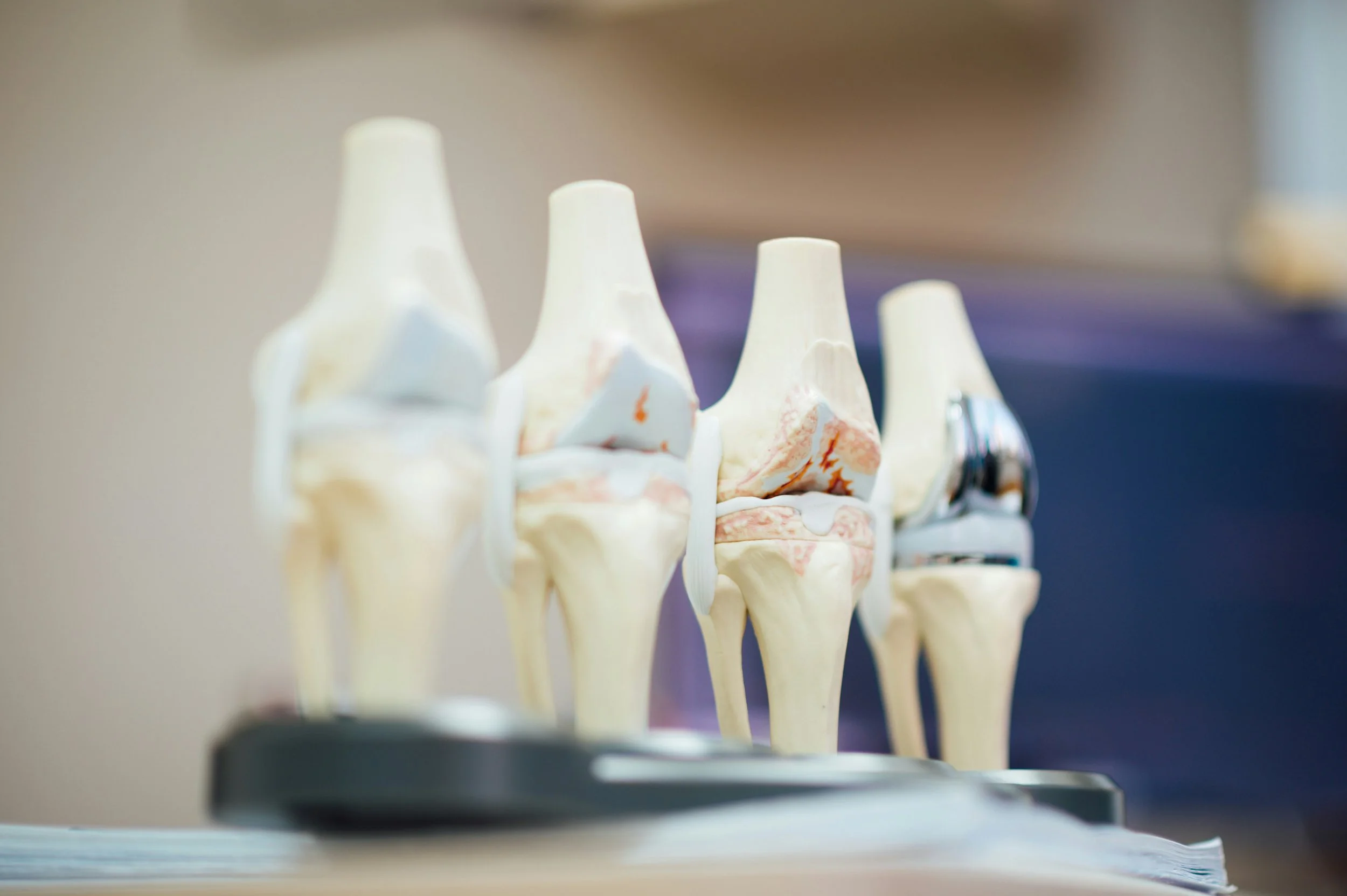
Staying active is a priority for many fathers who want to keep up with their kids and maintain their overall health, but joint pain can quietly interfere with that goal. Many turn to resources like an orthopedic practice knoxville to better understand the causes of persistent discomfort and explore treatment options that support long term mobility and recovery. Ignoring early warning signs may seem harmless at first, but it often leads to more serious issues that can limit both physical activity and quality of life. By approaching fitness with awareness and care, dads can stay active without putting their joints at risk.
Understanding the Difference Between Soreness and Pain
It is normal to feel muscle soreness after physical activity, especially when trying a new workout or increasing intensity. This type of discomfort usually fades within a few days and is part of the body adapting to new demands. Joint pain, however, tends to feel sharper, more persistent, and may worsen with continued movement.
Recognizing this difference is essential for preventing long term damage. When pain lingers or becomes more intense during activity, it is often a sign that something deeper is happening within the joint. Paying attention to these signals allows dads to make smarter decisions about when to rest and when to seek help.
Adjusting Workouts for Longevity
Maintaining an active lifestyle does not require pushing through pain or sticking to the same routine indefinitely. In fact, modifying workouts is one of the most effective ways to protect joints while still building strength and endurance. Low-impact exercises such as swimming, cycling, and controlled strength training can reduce stress on the knees, hips, and shoulders.
Proper warm-ups and cool-downs also play a key role in joint health. Stretching and mobility exercises help prepare the body for movement and reduce the risk of injury. Over time, these small adjustments create a sustainable approach to fitness that supports both performance and long-term well-being.
The Role of Recovery in Staying Active
Recovery is often overlooked, especially for busy dads balancing work, family, and personal goals. However, the body needs time to repair and strengthen after physical activity. Without adequate recovery, minor discomfort can quickly turn into chronic joint pain.
Sleep, hydration, and proper nutrition all contribute to effective recovery. Taking rest days and listening to the body can prevent overuse injuries that develop gradually. By prioritizing recovery alongside activity, dads can maintain consistency without compromising their health.
Knowing When to Seek Professional Support
There are times when self care and adjustments are not enough to address joint pain. Persistent discomfort, swelling, or reduced range of motion may indicate an underlying issue that requires professional evaluation. Seeking guidance early can prevent minor problems from becoming more serious conditions.
Consulting with specialists who understand joint health provides clarity and direction for treatment. Whether it involves physical therapy, targeted exercises, or medical intervention, professional support helps dads return to activity safely. Taking this step is not a sign of weakness, but a proactive approach to long-term wellness.
Building a Sustainable Active Lifestyle
Staying active as a dad is not about intensity or pushing limits at all costs. It is about consistency, balance, and making choices that support long-term health. This includes setting realistic goals, choosing activities that feel good, and being willing to adapt when needed.
A sustainable lifestyle also involves leading by example for children. When kids see their fathers prioritizing health and listening to their bodies, they learn the importance of self-care and resilience. This creates a positive cycle where staying active becomes a shared family value rather than a personal struggle.
Joint pain does not have to be a barrier to an active life, but it does require attention and respect. By understanding the body, adjusting routines, and seeking help when necessary, dads can continue to move, play, and engage fully with their families. Taking a thoughtful approach to activity helps preserve health and mobility for years to come.
Related:
