
From Distraction to Bonding: How Dads Can Use Technology Mindfully
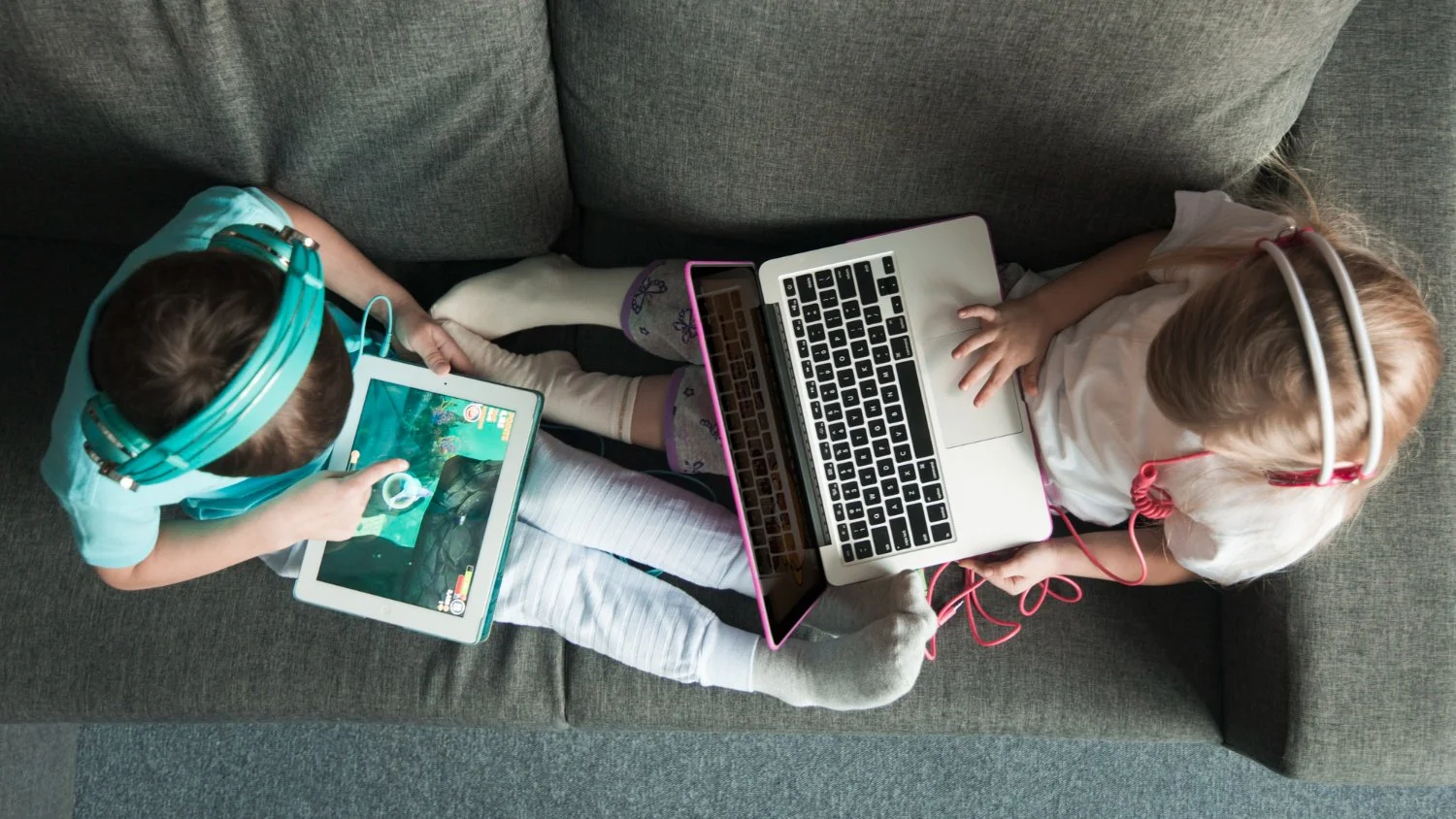
Let's be honest. Our phones are like a third arm. We check them constantly. News, work emails, social updates—it's a firehose of information. For dads, this digital pull can turn parenting into a series of distracted moments. We’re physically present, but mentally miles away, scrolling. Our kids notice. And worse, they learn the same habits.
Researchers now connect heavy social media use with a gradual decline in children’s attention and increased inattention symptoms — with average usage rising from about 30 minutes a day at age nine to 2.5 hours by age 13 on platforms like TikTok and Instagram. Early, unsupervised digital use has become so common that caregivers today report very young children spending several hours a day on screens.
This article explores practical ways you can turn digital tools from distractions into opportunities for growth, learning, and connection.
Establish Technological Family Habits
The first step is setting clear boundaries. Technology should have a schedule. If devices are allowed everywhere at all times, they will naturally fill every silent moment. Establish "Tech-Free Zones" like the dining table or the backyard.
Tech-free meals every day
Device curfew before bedtime
Homework first before screen use
Create a family media contract. This isn't about being a drill sergeant. It is about setting expectations. You might decide that screens go off at 7:00 PM or that Saturday mornings are for outdoor play only. When kids know the rules, they argue less. When dads follow the rules, they lead by example. Consistency is the secret sauce here.
Use Devices for Creativity, Not Just Scrolling
Instead of endless consumption, shift the focus to creation. Encourage kids to make things with technology rather than passively absorb content.
From Watching Videos to Making Them
One powerful way to start? Video editing. Tools like the Clipify video editor turn raw clips into mini-movies. It’s simple enough for beginners but packed with features that feel professional. Here’s what kids (and dads!) can actually do with it:
Video storytelling — have kids document a day, a hobby, or a family event
Stop-motion animation — create short movies using toys or household items
Music mashups — mix clips with sounds and narrative
DIY tutorials — film how-tos for cooking, crafts, or building
Family vlogs — record shared experiences and reflect on them
By making media together, technology becomes a platform for expression and collaboration. Kids not only learn skills, they also gain confidence in how to use digital tools constructively.

Drawing and Digital Art
Not all creativity needs to involve video. Many kids enjoy drawing apps or simple graphic tools. Digital art lets them experiment without worrying about wasting paper or supplies. It also helps develop patience and attention to detail — skills that don’t come from fast scrolling. Even better, parents can sit nearby and ask about the process rather than the result.
Music, Sound, and Storytelling
Some kids connect more with sound than visuals. Recording short audio stories, mixing music, or adding sound effects to videos gives children a different way to express ideas. It also teaches listening skills and structure. A simple voice recording project can turn into a family story archive over time.
Building and Experimenting Through Games
Not all games are the same. Games that involve construction and design as well as puzzle-solving provide an outlet for creativity and help develop organizational skills in children. Children develop skills by utilizing trial-and-error processes, usually without consciously realizing that they are doing so.
When parents take an interest in the aforementioned activities as opposed to simply dismissing them, they create a forum for discussion and joint exploration of new ideas between parent and child.
Photography With Intention
Phones already have cameras. The missing part is purpose.
Give kids small challenges:
Photograph five interesting textures
Capture a day without people in the frame
Tell a story using only three photos
This turns casual snapping into mindful observation.
Make Tech Time a Team Activity
Don’t just hand over a tablet and walk away. Sit beside your child. Ask questions: “What story are you trying to tell?” “How should the music feel here?” Offer to hold the camera while they act. Suggest creating a short stop-motion animation with LEGO bricks or putting together a simple demo video of their favorite snack using an easy to use animation maker. Turn weekend hikes into mini-documentaries. The goal isn’t perfect production—it's a shared presence.
Practice What You Preach (And Talk About It)
Your kids will follow your lead, not your lectures. Put your phone face down and out of reach during playtime. When you do use it for work, verbalize it. "I have to send this one email for my job, then I'm all yours." More importantly, talk about the pull. Admit when you feel distracted. Say things like, "I was mindlessly scrolling and it made me feel tired. Let's go shoot some hoops instead." This models self-awareness.
Final Thoughts
There’s no perfect formula for screen time. The amount of time spent on screens will vary from day to day, and that's normal. What really matters is having clear intentions for using technology - whether it is used for creativity, learning, or connecting with family and friends, technology has the potential to positively impact our lives.
Participating in one creative activity together as a family can change how screens are viewed by your family, turning them from distractions to something that creates stronger relationships between family members.
Related:
