
How Natural Baby Products Support Healthier Family Routines
This is a contributed post.
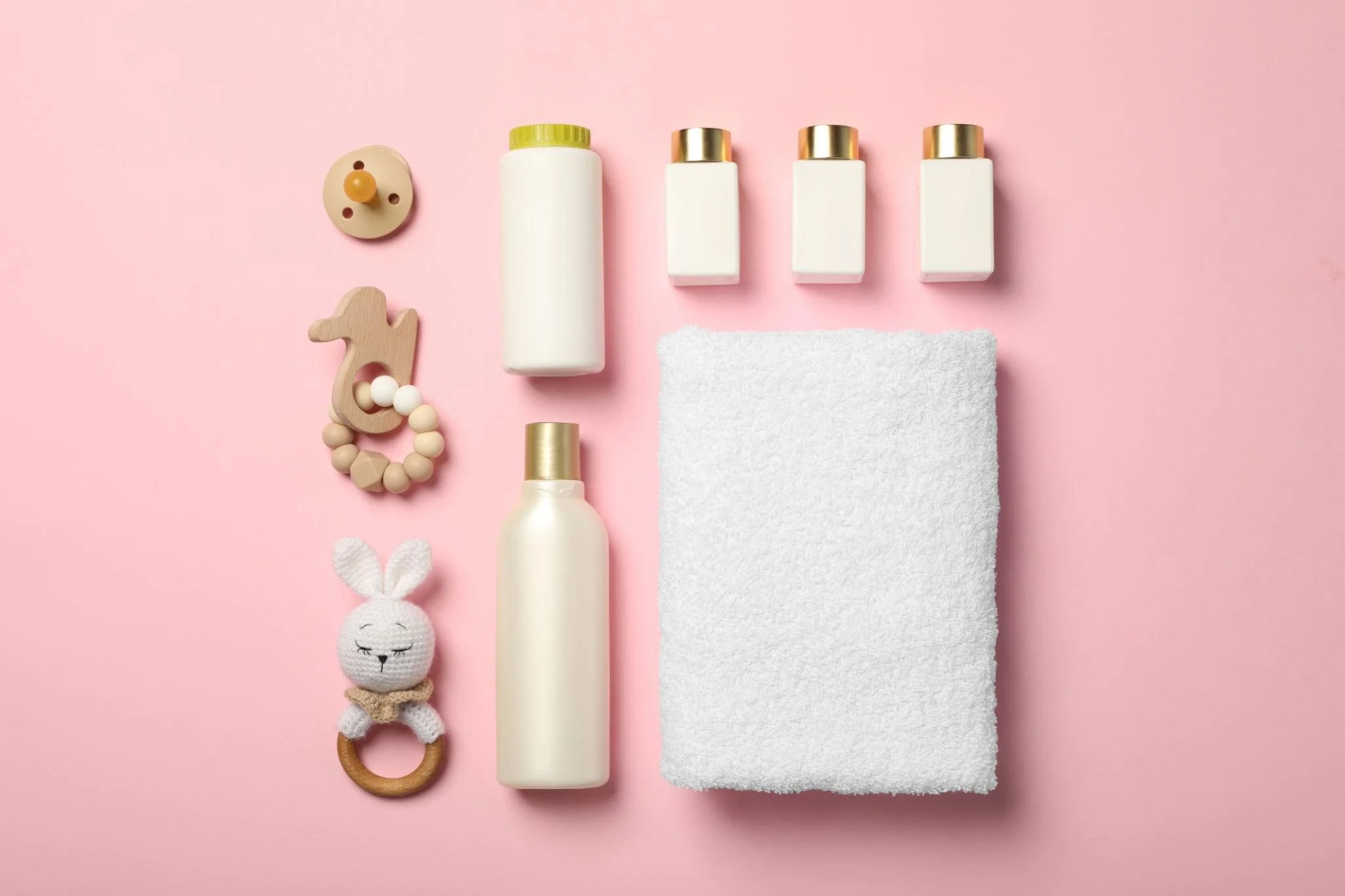
Parents are the first ones to notice when a baby product just doesn’t feel right. It can be a lotion that leaves a lingering film, a detergent that irritates the nose, or a wipe that feels more like sandpaper than softness. Those subtle details often make a parent hesitate when reaching for the old familiar at the store. It’s why there’s a trend toward natural baby products that support a family’s commitment to shift into a more eco-lifestyle, especially where baby is concerned.
Homes tend to settle down a bit when ingredients get simpler. Babies have skin that reacts quickly, so even a minor adjustment can help the day run smoother. Parents talk about these changes in plain terms. They say a bath felt easier, or the laundry didn’t leave that stubborn scent behind. It’s the kind of progress that shows up quietly.
Bath Time That Doesn’t Overwhelm
Bath time has a way of exposing products that aren’t working. Strong fragrances hang in the air and cling to the skin even after towels and pajamas. Natural washes usually feel lighter. Once families switch, they notice the scent fades faster, and the skin doesn’t look irritated afterward. A baby who normally rubs at dry patches might settle down more easily.
Clothing and Laundry That Stay Comfortable
Laundry plays a bigger role in comfort than most people realize. Conventional detergents use brighteners and preservatives that linger on fabrics. That residue presses against a child’s skin all day, especially around collars and waistbands. When parents move to gentler detergents, the difference builds over several cycles. Clothing feels softer, bedding loses that chemical smell, and babies who already have sensitive skin usually react less.
A Nursery With Fewer Layers of Residue
Nursery items stack up quickly: wipes, creams, sprays, diaper-cleaning products, and whatever is used on toys or changing tables. Each one adds its own scent or layer of residue. Natural products tend to keep the room quieter, almost in the way fresh air feels cleaner than a strong perfume. Parents dealing with congestion or frequent sneezing often notice a difference once the stronger products disappear.
Small Swaps That Build a Stable Routine
Changes gather momentum on their own. One gentle lotion leads to a different soap, then a milder surface spray. The next step is often diapers or wipes, and parents may check with their diapers supplier to find options that skip lotions, dyes, and synthetic fragrances. These choices don’t feel dramatic. They just remove things that weren’t helping in the first place.
Lowering The Daily Chemical Load
Babies respond to irritants that adults barely notice. A preservative here, a synthetic dye there – these things add up. When families remove the harshest ingredients, it becomes easier to identify what’s actually causing a rash or a rough night’s sleep. Parents of children with eczema or asthma see this most clearly, because reducing triggers makes the rest of the care routine more predictable.
Benefits That Spread to the Whole Household
Something interesting happens once families switch a few core items. Adults start using the same detergent. A mild body wash becomes the default in the shower. Room by room, the house feels calmer, with fewer layers of scent competing for attention. It’s not about becoming perfectly “green” or following every natural trend. It’s about creating an environment that feels easier to live in.
A Routine That Holds Up Over Time
Natural baby products don’t fix everything, but they make daily care less complicated. Families often stick with them because life becomes more manageable when the basics stop causing irritation or discomfort. A lotion that doesn’t sting or a detergent that doesn’t leave residue may sound like small things, yet they support a rhythm that parents rely on.
Start with one swap. Let the rest shift slowly if it feels right. Over time, those small choices form a routine that supports healthier habits without forcing big changes. Families usually recognize the difference not by what’s added, but by what no longer gets in the way.
Related:
