
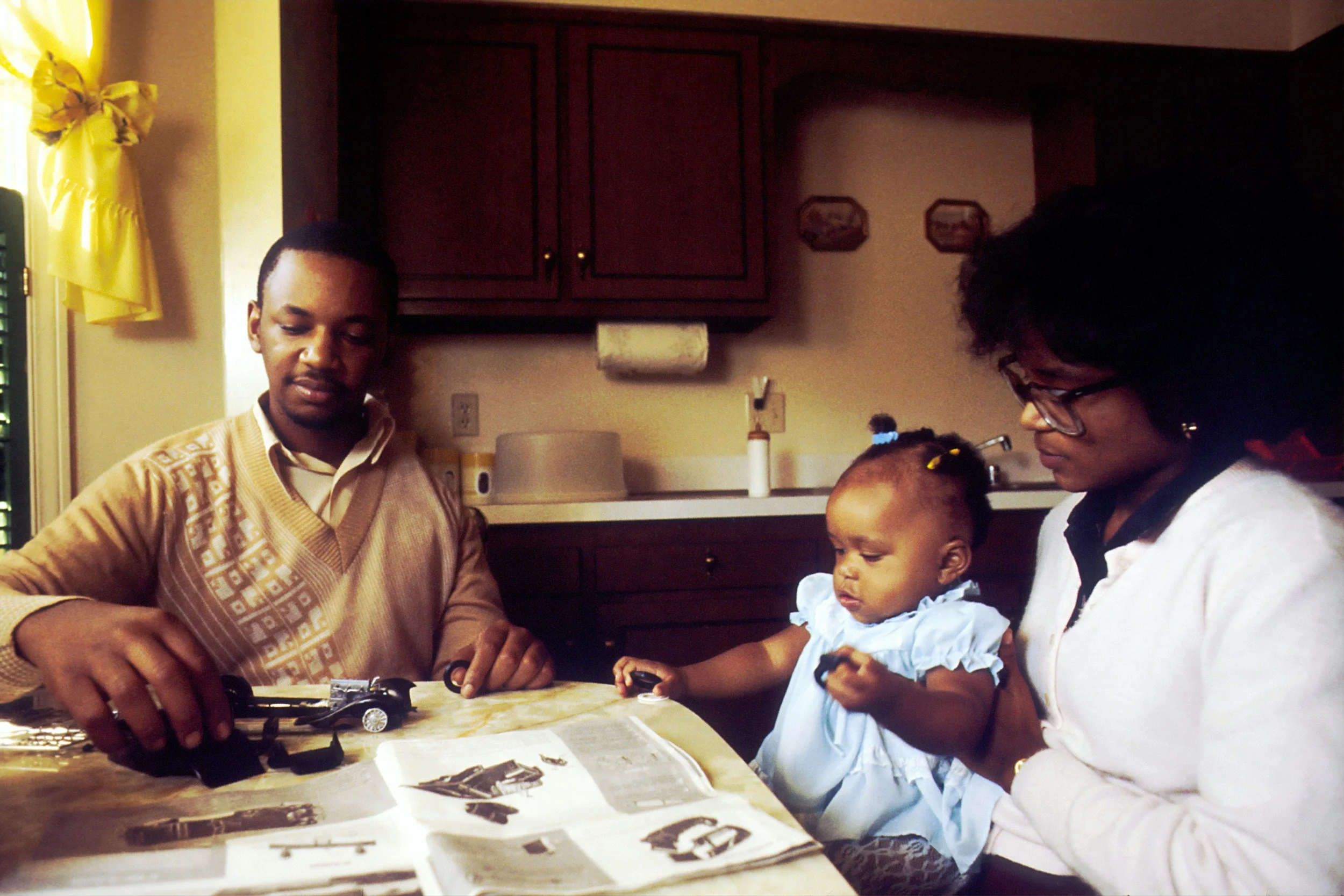
Here's something the career-change brochures leave out. A lot of the coursework happens at 9:40 p.m. at the kitchen table, right next to a half-built diorama of the solar system.
That's what switching careers looks like with kids at home. The current job still has to cover groceries and soccer cleats, and most of your free time already belongs to homework help and the drive to practice.
Parents pull it off all the time, though. Usually by going slower than they'd like and letting the family calendar be the boss of the whole plan.
So What's Actually Wrong?
Get specific about what's driving this. Maybe it's the forty-minute commute. Maybe you've built the same Monday spreadsheet since 2017 and could do it in your sleep.
The answer changes what comes next. A bad boss calls for a new employer, while boredom with the work itself might really call for a new field.
Then track down a couple of people who already do the job you want and buy them a coffee (or just ask for fifteen minutes on Zoom). They'll tell you about the dull parts, which job postings never mention.
Count the Hours, Honestly
Open a calendar and fill in the fixed stuff first. Work. Drop-off at 7:45, pickup at 3:10, Wednesday swim lessons, and the bedtime routine that somehow takes an hour.
Whatever's still blank is your real budget, and it's usually smaller than expected. The American Time Use Survey found that adults in homes with kids under 6 spend over two hours a day on direct childcare alone, not counting dishes or laundry.
Got six empty hours a week? Plan on four. Somebody will get strep throat during finals week, pretty much guaranteed.
Back to School, After Bedtime
Not every switch needs a whole new degree. Check what the field actually asks for first. In some it's a license, and in others hiring managers mostly want to see work samples.
When a degree is the right call, online and part-time programs are usually the most workable. Many post recorded lectures, so you can watch them early in the morning or after the kids are asleep.
Cybersecurity pulls in plenty of career changers right now. The federal government expects demand for information security analysts to keep climbing.
If you've spent years in banking or operations, business and cybersecurity studies can build on that experience.
Practice at the Job You Already Have
The current job can be more useful than it looks. Before leaving, see if there's a way to get real experience in the new field while you're still on the payroll.
Say you're heading toward cybersecurity from an accounting role, for example. Volunteer for the next software rollout, or ask to sit in on the IT team's security training. Neither needs a new title, and both look good on a résumé later.
Ask your manager directly, too. Plenty of bosses would rather help a good employee grow than lose them, and some companies have mentoring or rotation programs that hardly anyone signs up for.
Side projects count as well, as long as they fit the schedule. A short freelance job or a weekend certification class gives you examples to bring up in interviews.
Just remember not to take on too much at once. For example, pick one extra project and finish it before starting another.
Keep notes on what you worked on and how it turned out. Specific details, like how many people a project helped, are easy to forget later and useful on a résumé.
Don't Quit Just Yet
Going back to school full time is a nice fantasy right up until the mortgage payment is due. For most families, keeping the current paycheck through training is the safer bet.
Ask HR about tuition help, because a surprising number of people never do. The IRS allows employer educational assistance of up to $5,250 a year that isn't taxed as income.
It's also smart to save up a few months of expenses first. Pay in a new field can start lower, and there may be a short gap between jobs.
Everybody's In on This
Talk it through with your partner before the first class, down to the boring details. Who's cooking on Tuesday? Who handles bath time when you've got a group project call?
Kids handle this better when they know what's going on. A nine-year-old can grasp that Mom has "class nights" on Tuesdays and Thursdays, and some will even quiz you with flashcards.
And protect at least one thing. Saturday pancakes, Friday pizza and a movie, whatever it is, keep it on the calendar no matter what the syllabus says.
The Job Hunt, in Small Doses
Once the training's done, go for steady over heroic. Five applications and one coffee chat a week is plenty, and it's way easier to keep up than a 20-application Sunday that leaves you fried.
Lean on what you've already done. Running a department budget counts, and so does calming down angry clients, even if the new industry calls those things something else.
If the schedule is a dealbreaker, say so in the interview. Lots of employers offer hybrid or flexible hours now, and after you've accepted is the worst time to learn they don't.
Long Way Around, Same Destination
Expect the whole thing to take a while. Parents often need an extra year or two to finish training and land the new job.
Some weeks won't go to plan. Classes get dropped and deadlines slip, and sometimes everything pauses for a family emergency.
Every few months, sit down with your partner and talk about how it's going. If the pace is too much, slow it down.
The kids are watching, too. Seeing a parent learn something new at 38 or 45 teaches them more about effort than any lecture at the dinner table.
Do you want more advice on balancing work and family? If so, be sure to keep scrolling and explore more articles on our site.
