
How to Get Into Golf as a Dad (Without Spending a Fortune)
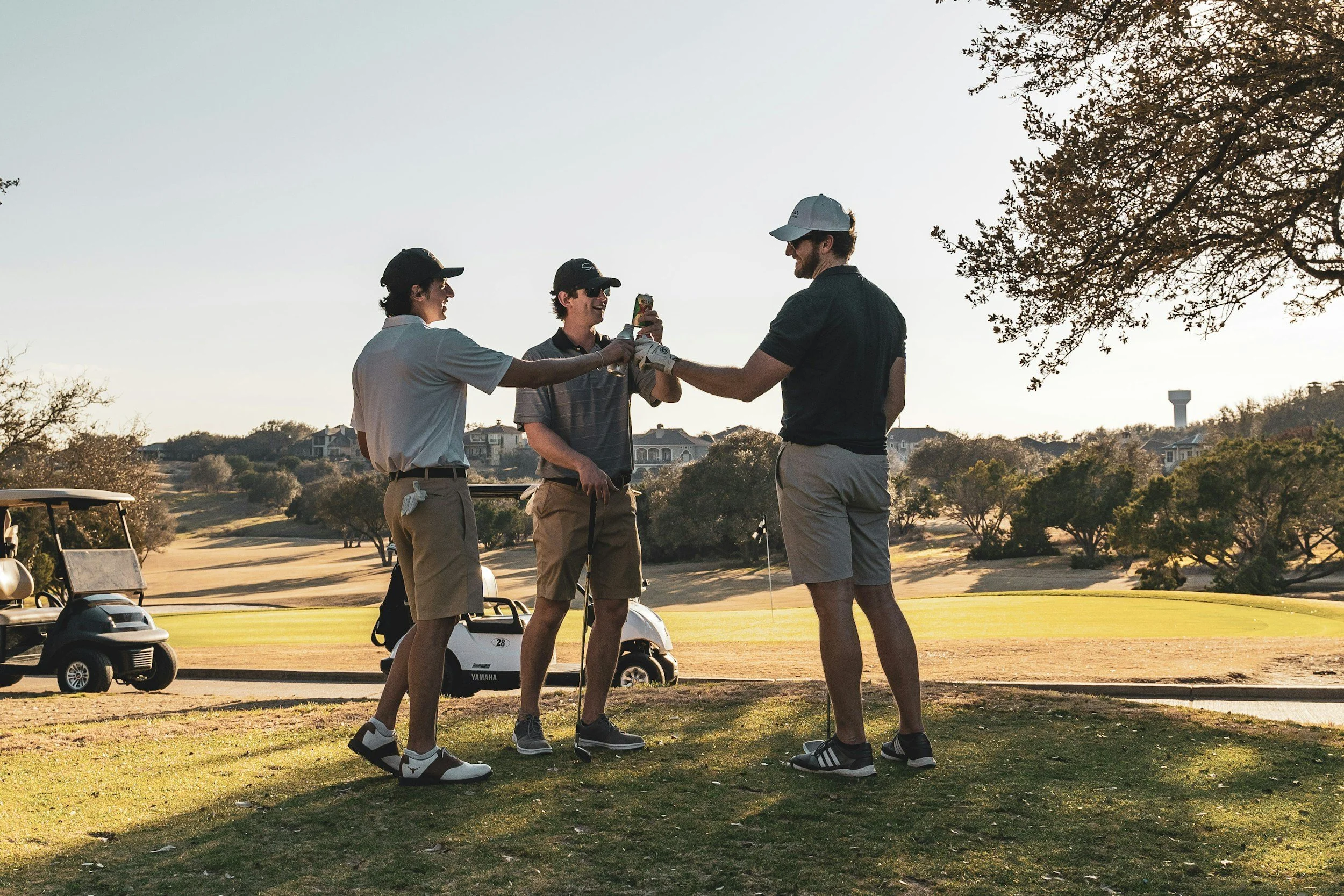
Golf has a reputation problem. Mention it to your non-golfing friends, and you'll hear about the expensive clubs, the $200 green fees, and the stuffy private clubs with dress codes and waiting lists. It sounds like a hobby for a different version of you - the one without two kids and a mortgage.
But here's what those people are missing: the expensive version of golf is optional. And as a dad looking for an outdoor activity that's good for your body, clears your head, and doesn't require you to be 25 and injury-free, golf is one of the better options out there.
You just need to go in with the right information.
Why Golf Is Actually a Smart Choice for Dads
Before we get into the money stuff, it's worth making the case for why golf is worth your time in the first place.
A full round of 18 holes means walking roughly four to six miles, often over hilly terrain and carrying or pulling a bag. Research published in The American Journal of Medicine found that sedentary middle-aged men who took up golf and walked the course two to three times a week showed significant improvements in aerobic performance, trunk muscle endurance, and cardiovascular markers over 20 weeks. That's a meaningful fitness return for what most people think of as a casual sport.
There's also the mental side of it. Being outside, concentrating on one thing at a time, and getting away from screens and work stress for a few hours is difficult to replicate in a gym.
And unlike most team sports, golf scales with your life. You can play 9 holes in under two hours. You can go alone or with one friend. You can play at your pace without anyone depending on you to show up every week.
The Gear Myth
Getting Better Without Expensive Lessons
The main thing stopping most dads from trying golf is the assumption that you need to spend $1,000+ on a set of clubs before you can even tee off. That’s false, and it’s the kind of thinking that keeps people on the couch.
Here's what you actually need to start:
A basic set of clubs (7-iron, pitching wedge, sand wedge, putter, and a driver or 3-wood)
Golf balls (used or recycled ones are fine)
Comfortable athletic shoes (you don't need dedicated golf shoes yet)
A bag to carry it all – there’s now even left handed golf bags available to keep you comfortable
That's it. You don't need a full 14-club set. You don't need forged irons or a custom fitting. Those things matter at a certain level of play - they don't matter when you're a beginner trying to make consistent contact.
The smart move is to buy used. A quality set of pre-owned clubs from a brand like Callaway, TaylorMade, or Cleveland will perform identically to a new set at a fraction of the cost. Platforms like Next 2 New Golf specialize in certified pre-owned clubs - you get quality gear without the markup. It's the same principle as buying a used car that's two years old: the performance is there, the price isn't.
One thing to avoid: buying a cheap, off-brand beginner set from a big-box store. These clubs are often heavy, poorly balanced, and will make learning harder than it needs to be. Spend the same money on used name-brand clubs, and you'll be better off.
Getting Rounds In Without Paying Full Price
Green fees are where golf spending gets real. A round at a premium course on a Saturday morning can run $80-150 before you've even touched the first tee. But that's not your only option.
Par 3 and executive courses. These are shorter courses - typically 9 holes with mostly par-3 holes - that charge $15-30 per round. For a beginner, they're actually ideal. Less walking, less pressure, faster rounds, and more time to practice the short game, which is where most of your strokes are lost anyway.
Public municipal courses. Most cities and counties operate public golf courses with rates well below private alternatives. Weekday rates are especially cheap, often under $30 for 18 holes with a cart included.
Twilight rates. Show up at any course two to three hours before closing, and you'll pay 30–50% less than the morning rack rate. The course is quieter, the light is better in the evening, and you're not pressured to play fast.
Replay rates. Some courses allow you to play a second round immediately after finishing your first for a flat fee of $5-15. If you have the time, this package is the best value in golf.
One more thing: forget about a club membership for now. They're expensive, they come with social obligations, and you don't need them. Public access golf has improved dramatically, and you can play 30-40 rounds a year at good courses without ever joining anything.
The Time Problem
This is the real one. Not money - time.
A full 18-hole round takes four to five hours on a busy weekend course. Add driving time, warm-up, and the post-round stop for a beer, and it's most of your Saturday. Especially when you have kids, chores, and a partner who also needs time off, it can be challenging to convince them to play golf.
A few ways to solve this:
Play 9 holes. Many people don’t consider this the standard, but they should. Nine holes take 90-120 minutes. You can be home before lunch and still get the exercise, mental reset, and practice.
Tee off early. The first tee times of the morning - usually 6:30 or 7 AM - move the fastest because the course is empty. You're home by 10, and you haven't missed anything. This is how serious golfer-dads structure their weekends.
Communicate the plan. This one sounds obvious, but it matters. If your partner knows golf means you're out from 6-10 AM and back in time to take the kids to their game, it's a different conversation than "I'm playing golf, see you whenever."Walk whenever possible. The American Heart Association points out that walking an 18-hole course counts as moderate-intensity exercise and contributes directly to weekly activity targets, which is a useful thing to remember when someone asks why you're spending Saturday morning on a golf course. It's also just faster than riding. Carts have to follow designated paths and park in marked areas. Walking lets you go straight to your ball.Try breaking up your workouts throughout the week for better overall fitness. If golf is your weekend anchor, pair it withshort, high-intensity sessions during the week. The contrast works well - you get your intensity in during spare 20-minute windows, and the round on the weekend becomes active recovery rather than your one shot at exercise.
A full lesson from a PGA teaching professional costs $100–150 per hour. For a beginner, that's a reasonable investment once you've decided you're committed - a single lesson on grip, setup, and basic swing mechanics will fix problems that would otherwise take months to figure out on your own.
But you don't need a package of 10 lessons. You don't need weekly coaching. And you definitely don't need to buy a training aid for every aspect of your game.
Here's what works:
YouTube. Channels from coaches like Danny Maude, Me and My Golf, and Rick Shiels cover every beginner concept with clear videos. Watch one video, and go practice one thing. Don't try to fix everything at once.
The driving range. A bucket of 60-80 balls costs $10-15 and gives you 45 minutes of focused practice. Go once a week, and you'll improve faster than playing one round a week with no focused work.
Play with better players. Observe their actions before and during shots. Ask one question per round. Most golfers enjoy helping beginners, and you'll pick up more from an afternoon with someone who shoots 85 than from watching videos at home.
Use technology. Various tech tools are created to make new players transition into the sport much faster. Newcomers can take advantage of custom golf simulator screens that provide immediate feedback during home practice sessions to refine their technique year-round. These setup options allow players to maintain consistency even when weather conditions prevent regular outdoor trips. Consistent practice using these tools helps build muscle memory before heading back out onto the course.
Spending time with others can enhance any activity. A large-scale scoping review of golf and health outcomes found that social interaction was a consistently positive factor in both the enjoyment and long-term health benefits of golf participation. Playing with other people isn't just more fun - it keeps you coming back.
Keeping Costs in Check Long-Term
Once you're playing regularly, it's easy for costs to creep up. New gear you don't need, range memberships you barely use, and rounds at expensive courses because they looked good on Instagram.
The same budgeting mindset you'd apply to building ahome gym on a budget applies here: buy what moves the needle, and ignore the rest. Your clubs will last many seasons. Golf balls are a consumable, but you can always fish used ones out of ponds or buy recycled balls in bulk. Shoes, gloves, and tees are cheap. The green fee is your main recurring cost, and the tips above will keep that manageable.
Set a monthly golf budget the way you'd set any other discretionary budget. It keeps the hobby from turning into a financial regret and keeps it sustainable long-term.
The Bottom Line
Golf rewards patience, and that turns out to be one of its biggest advantages as a dad-friendly sport. You're not racing anyone. You're not at risk of blowing out a knee. You're outdoors, staying active, focusing on one thing at a time, and occasionally hitting a shot that feels so clean you immediately want to do it again.
That's what keeps people playing for decades. And none of it requires you to spend like a private club member to get there.
Related:
