
How to Support a Partner or Child Through Injury Recovery
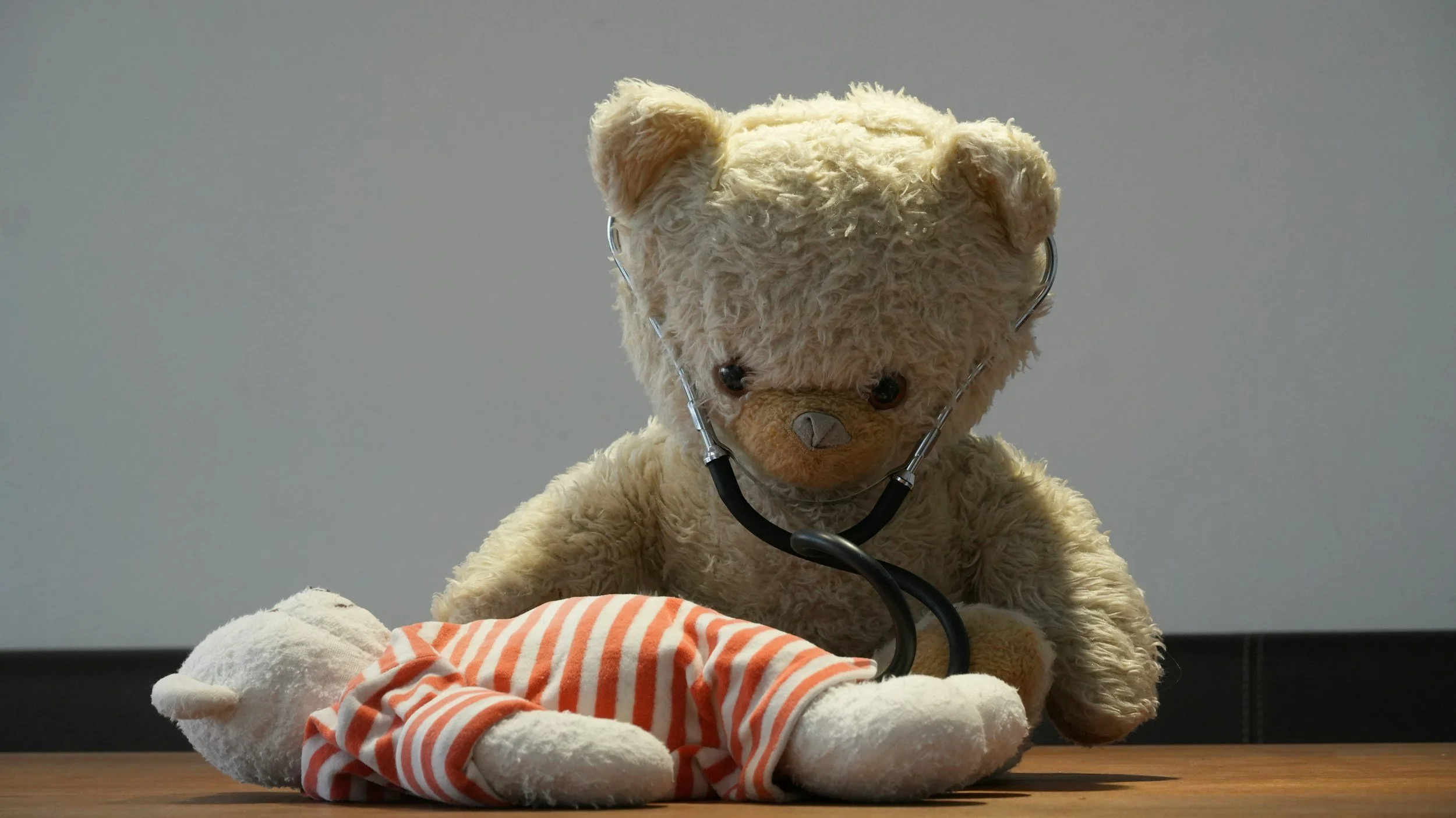
Want to know the best ways to help a partner or child heal from a serious injury?
Watching a partner or child suffer through injury recovery is one of the most difficult experiences you'll ever face. Recovery takes time and patience whether they suffered a traumatic brain injury accident slipping in the bathroom, whiplash during a sports collision, or something far worse.
But there's something else you should know…
You might not know what to do.
Amid the fear and uncertainty, it's common to feel lost about how to provide support. But that's not good enough. With the right mindset and plan of attack, you can play a massive role in your partner or child's recovery.
In this article:
Why Recovery Takes More Than Just the Injured Person
Caregivers Feel the Pain Too
5x Ways to Positively Impact Recovery
Mental Health Support for Families
Ready to learn how to help your partner or child recover from a serious injury?
Why Recovery Takes More Than Just the Injured Person
Imagine this…
You wake up one day and find out your loved one suffered a serious injury in a car accident, fell down the stairs at home, or got hurt playing sports.
Life as you know it changes overnight.
Not only does the injured person have to learn how to cope with life after injury, the family does too. Partners suddenly become full-time caregivers. Parents of injured children need to learn how to support their kids through recovery while maintaining their own emotions.
Recovery is a family affair.
The CDC reports about 190 deaths each day are related to traumatic brain injuries in the U.S. alone. Recovering from a TBI or any serious injury is difficult and can take months, if not years.
It makes sense when you think about the whole family being affected by one person's injury.
Caregivers Feel the Pain Too
There's another side to this story you may not know.
Caretakers experience a dramatic shift in their lives too.
One study found that about 70% of family caregivers suffer from caregiver burden after a loved one sustains a traumatic brain injury. Caregiver burden translates to feelings of anxiety, depression, isolation and even physical health issues.
Consider this…
Your partner used to handle the daily chores. Now they have to worry about medications, doctor's appointments, therapy and more on top of keeping the house running.
That's a lot of pressure on one person.
Caretakers experience just as much emotional trauma during injury recovery. If you're not careful, you'll forget to take care of yourself.
5x Ways to Positively Impact Recovery
You might be thinking, "Okay, but what can I actually do to help?"
Good question. Below are five actionable steps you can take to support your partner or child through recovery.
These aren't gimmicks or tactics to sell you something. They're helpful tips families have used for years to positively impact recovery.
Educate Yourself on the Injury
The best way to help is by understanding what you're up against.
Here's the deal: Every injury is different which means recovery varies from person to person. A TBI accident will require a completely different recovery plan than breaking a bone.
Take the time to talk to doctors and therapists to learn everything you can about your partner's or child's injury.
You'll feel more confident in your ability to help when you know what types of things to expect during recovery. Plus, you can help maintain your loved one's recovery by understanding the dos and don'ts of their specific injury.
Create the Ideal Recovery Environment
The environment you provide for your loved one can make or break recovery.
Especially for children, structure and consistency are what will keep them calm and confident during recovery.
Keep the house clutter free and as distraction-free as possible.
Create a daily routine your loved one can follow during recovery. Include medicine times, doctor's appointments, physical therapy, rest periods and anything else needed.
Minimize conflicts as much as possible.
Think about how you can use the family home to provide a stable, comfortable environment for your loved one.
Talk About What's Happening
Don't brush your feelings under the rug.
Your partner or child won't be able to express how they're feeling about the injury and recovery if you don't let them. It's okay to feel angry, frustrated or sad during recovery.
Take the time to check in with your loved one. If you have children, make sure they know it's okay to talk about the injury and how it makes them feel.
Encourage open communication and share your feelings too. Recovery takes a toll on the entire family, so make sure everyone is getting the support they need.
Build a Support System
You don't have to go through this alone.
One of the most beneficial steps you can take is asking for help. Whether it's from friends, family or a local support group, sharing the caregiving load is helpful.
Here are a few things you can do:
Ask friends and family for help when you need it.
Look into rehabilitation centers that offer support groups and resources for families.
Seek out counseling to help you and your family better cope with injury.
Support groups are great because you get to talk to people who understand what your family is going through.
Put Your Own Mental Health First
Wait, you have to take care of yourself too?
It sounds counterintuitive but hear this out.
You can't properly care for someone else if you're running on empty. Caring for a loved one through recovery is stressful. If you don't practice self-care, you'll burn out emotionally and physically.
Make time to take care of yourself too. Even if it's a 10-minute walk each day or talking to a therapist.
You're only able to give so much. Take care of yourself first so you can be there for your family.
Mental Health Support for Families
If you ever feel like recovery is too much for your family to handle, please reach out for help.
There's absolutely nothing wrong with getting professional help to guide you through recovery. Rehab facilities, therapists and support groups can all offer the help your family needs to get through this.
Need some ideas?
Lacing for Support has TBI-specific resources for families to better understand brain injuries and how to properly take care of your loved one.
Check with your local hospitals for family resources and rehab centers.
BrainLine is a great resource for traumatic brain injuries. They have a support section on their website with tons of resources for families.
Taking care of a loved one's mental and physical health after an injury is a challenge. But you can do it. Remain positive and take each day one step at a time.
How to Help a Partner or Child Recover: Wrap-Up
It can be incredibly difficult to support a partner or child through injury recovery.
Not only does the injured person have to deal with their injurers, the family does too. If you have children, it's important to create a safe environment they can feel comfortable recovering in. Children look to parents for guidance, so be sure to take care of your mental health as well.
To summarize:
Learn everything you can about the injury.
Create a safe and comfortable recovery environment for your loved one.
Encourage communication with your entire family.
Build a support system you can lean on.
Put your mental health first.
These tips should help you better support your loved ones through recovery.
Remember, it takes time, so be patient with everyone in the family.
Related:
