
Dad’s Guide to Staying Hydrated: How Water Can Prevent Kidney Stones
This is a contributed post.
Busy dads often put their own health last while balancing work, family, and daily responsibilities, but hydration is one of the simplest ways to protect long-term wellness. Many men only think about kidney health after experiencing pain, yet preventative habits can make a meaningful difference and reduce future risk. Learning when to seek advice from a kidney stone specialist early and understanding the role of daily water intake can help dads stay active, healthy, and present for their families.
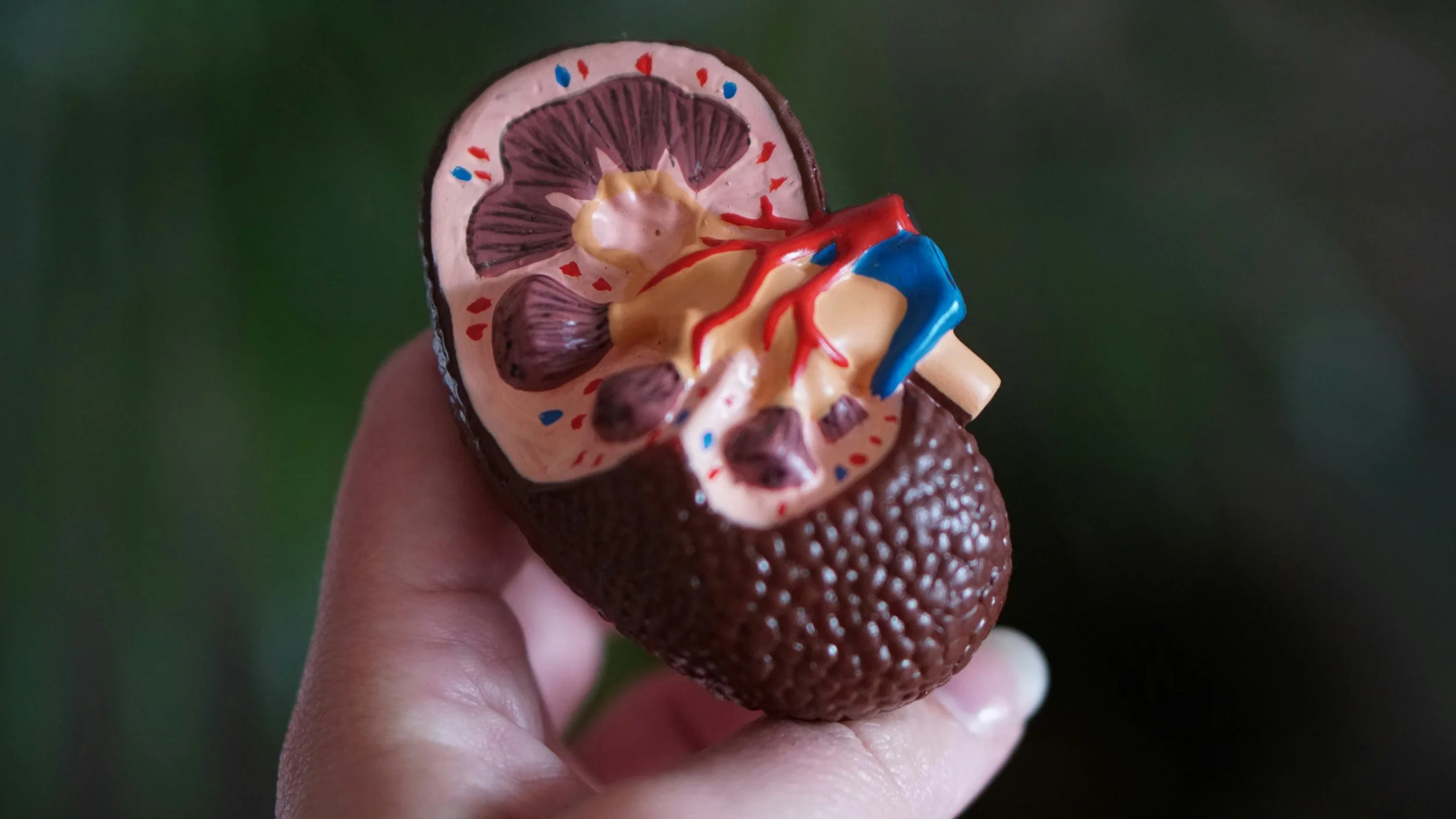
Why Hydration Matters More Than Most Dads Realize
Water plays a critical role in kidney function by helping flush waste and minerals out of the body before they accumulate. When hydration levels are low, these minerals can crystallize and gradually form kidney stones, which may remain unnoticed until symptoms appear. Consistent fluid intake keeps urine diluted, making it harder for stones to form.
Many men underestimate how quickly dehydration can occur, especially during exercise, long workdays, or travel. Even mild dehydration over time increases kidney strain and raises stone risk. Drinking water steadily throughout the day is far more effective than trying to catch up all at once.
Understanding How Kidney Stones Develop
Kidney stones form when substances like calcium oxalate or uric acid build up in concentrated urine. Without enough water to dilute these compounds, they can bind together and harden into painful stones. Hydration reduces this concentration and helps prevent the chemical conditions that lead to stone formation.
Some dads assume kidney stones are purely genetic or unavoidable, but lifestyle factors play a major role. Diet, physical activity, and fluid intake all influence kidney health. While not every stone can be prevented, water remains the most powerful and accessible defense.
Practical Hydration Habits for Busy Fathers
Staying hydrated does not require dramatic lifestyle changes, but it does require consistency. Drinking water with meals, keeping a refillable bottle nearby, and choosing water over sugary drinks can dramatically improve intake. These small habits become easier when they are built into daily routines.
Active dads need to be especially mindful of fluid loss through sweat. Exercise, yard work, and time outdoors increase hydration needs even if thirst is not obvious. Replacing fluids early helps prevent both kidney strain and fatigue.
When Hydration Alone Is Not Enough
While water is essential, some men may still develop stones due to medical or metabolic factors. Persistent pain changes in urination or blood in the urine should never be ignored. In these cases, professional evaluation is important to identify stone type and appropriate treatment options.
Hydration as a Family Health Example
Dads often set the tone for household habits, and hydration is no exception. When children see consistent water intake modeled, they are more likely to adopt healthy water-intake habits. This benefits not only kidney health but oalso verall energy focus and physical wellbeing.
Making hydration a shared family priority removes the burden from individual effort alone. Simple actions like offering water during meals or outings reinforce the habit naturally. Over time, these choices support better health outcomes for everyone.
Conclusion
Preventing kidney stones starts with something simple but powerful, which is drinking enough water every day. For dads managing full schedules hydration is an easy habit that protects kidney function, reduces health risks and supports long term vitality. By staying informed, practicing consistent hydration, and seeking medical guidance when needed, dads can take control of kidney health and stay fully present for the people who rely on them most.
Related:
