
The Benefits of In-Home ABA Therapy: Why More Families Are Choosing to Bring Support Home
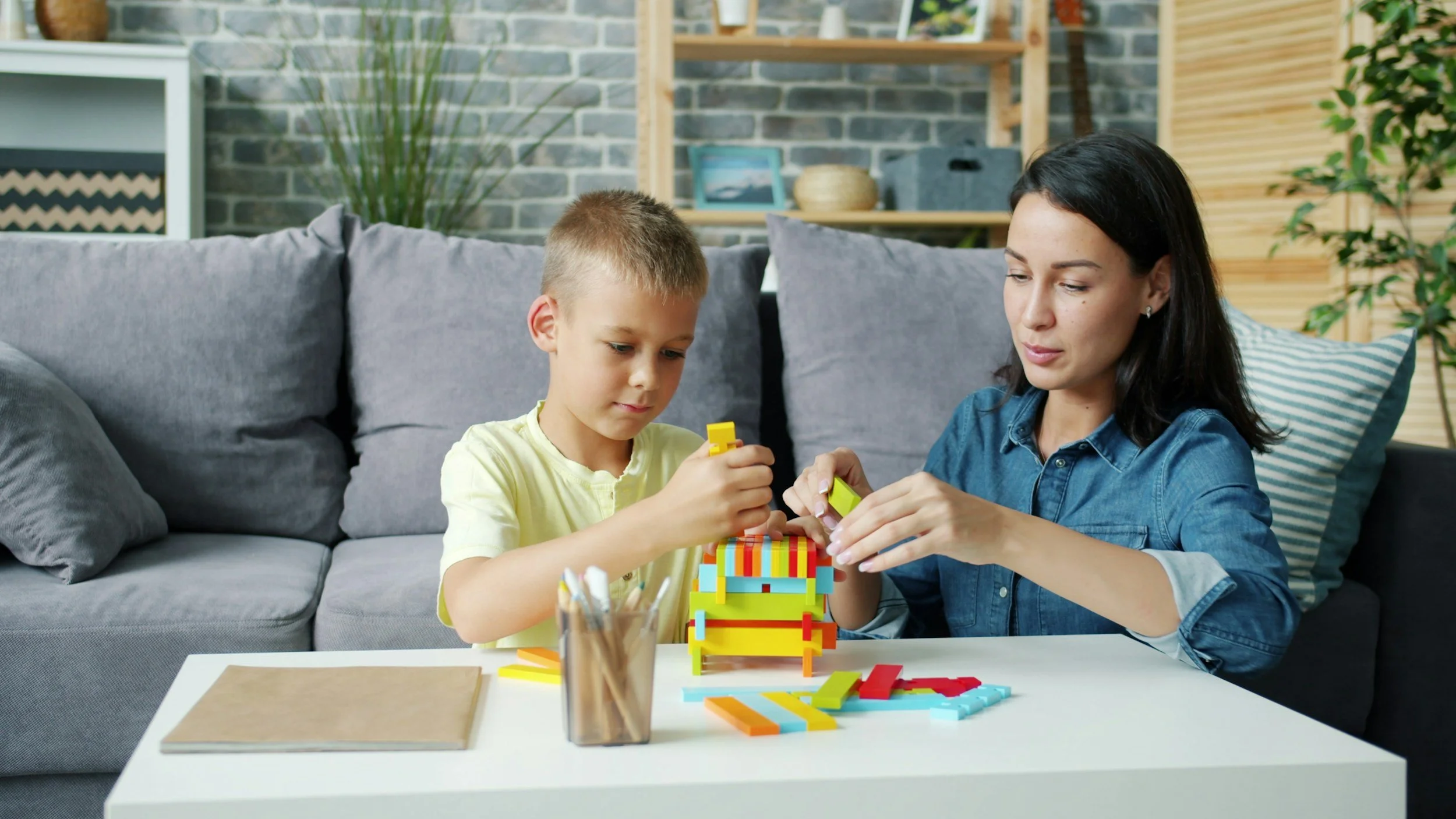
For many families raising a child with autism, the search for effective, compassionate care can feel like a full-time job in itself. Between school schedules, sibling needs, and the everyday logistics of simply getting through the week, adding another commute to a clinic across town can feel like one more weight on an already full plate. That's part of why in-home ABA therapy in San Francisco has become an increasingly popular choice for families who want high-quality, individualized care without sacrificing the rhythm of daily life. Applied Behavior Analysis (ABA) has long been recognized as one of the most effective, evidence-based approaches for supporting children with autism, and delivering it in the home setting brings a unique set of advantages that clinic-based therapy simply can't replicate.
Learning Happens Where Life Happens
One of the most compelling reasons families choose in-home therapy is simple: real life doesn't happen in a clinic waiting room. It happens at the breakfast table, during bath time, while getting shoes on for school, or in the middle of a sibling squabble over the remote control. When a Board Certified Behavior Analyst (BCBA) or registered behavior technician (RBT) works with a child in their actual home environment, the skills being taught are immediately relevant and immediately applicable.
A child learning to request a snack, transition between activities, or manage frustration during playtime is practicing those exact skills in the exact context where they'll need to use them every single day. This is a concept behavior analysts call "generalization" — the ability to take a skill learned in one setting and apply it successfully in another. In-home therapy essentially removes the generalization gap altogether, because the therapy setting and the real-world setting are one and the same.
Comfort and Reduced Anxiety
Many children with autism experience heightened anxiety in unfamiliar environments. Fluorescent lighting, unfamiliar smells, new sounds, and the simple newness of a clinic space can create sensory stress before therapy even begins. At home, a child is surrounded by familiar sights, sounds, and routines. This comfort often allows therapy sessions to start faster and more productively, since less time is spent helping a child regulate and settle into an unfamiliar space.
For many families, this also means fewer meltdowns tied to transitions and travel. Removing the stress of a car ride or public transit trip to a clinic — particularly in a busy urban environment — can make a noticeable difference in how a child shows up for their session, ready to engage rather than already overwhelmed.
Real Family Involvement
ABA therapy is most effective when the strategies used by a therapist extend beyond the session itself. In-home therapy makes it far easier for parents, siblings, and even grandparents or caregivers to observe sessions, ask questions in real time, and practice techniques alongside the therapist. This kind of hands-on, in-the-moment coaching helps caregivers feel more confident and consistent when they're implementing strategies on their own, whether that's during a bedtime routine or a trip to the grocery store.
This collaborative dynamic also strengthens the working relationship between families and their care team. Therapists get a much richer, more accurate picture of a child's day-to-day challenges and strengths when they can see firsthand how a child interacts with their environment, their siblings, and their daily routines — insights that are difficult to capture in a 45-minute clinic visit.
Individualized, Flexible Scheduling
Home-based therapy also tends to offer greater flexibility. Sessions can often be scheduled around a family's existing routine rather than forcing a family to build their life around a clinic's hours. For families juggling multiple children's schedules, work commitments, or other therapies and appointments, this flexibility can be the difference between consistent, sustained progress and a program that families struggle to maintain.
This individualized approach extends to the therapy itself. In a home setting, a BCBA can tailor goals around the specific challenges a family is facing — whether that's toileting independence, mealtime behaviors, sibling interactions, or preparing for a transition to a new school. The therapy plan becomes deeply personal rather than a one-size-fits-all program designed for a generic clinic setting.
Building Independence in Natural Environments
Ultimately, the goal of ABA therapy is to help a child build the skills they need to navigate their world with greater independence and confidence. Life skills like brushing teeth, getting dressed, following a morning routine, or communicating needs effectively are best taught in the environment where a child will actually use them. In-home therapy allows for this kind of naturalistic teaching in a way that feels less like a lesson and more like everyday life — because it is everyday life.
This also means that progress often feels more tangible to families. Instead of hearing about a skill demonstrated in a clinic setting, parents get to see, in real time, their child successfully asking for help, managing a difficult moment, or completing a task independently in their own living room or kitchen.
A Model Worth Considering
Every family's needs are different, and there's no single "right" way to access ABA therapy. For some families, a clinic-based model works well. But for many others — particularly those managing busy schedules, sensory sensitivities, or a desire for deeper family involvement — in-home therapy offers a compelling, effective alternative. It brings expert, evidence-based support directly into the environment where a child spends most of their time, making progress feel more natural, more sustainable, and more connected to real life.
For families exploring their options, it's worth asking potential providers about their approach to home-based care, how they involve family members in the therapeutic process, and how they measure and communicate progress over time. The right fit can make all the difference — not just in a child's development, but in a family's day-to-day peace of mind.
