
Kindy Readiness Guide: Choosing Childcare, Shoes, and Daily Routines
Getting a child ready for kindy and, later, Prep is less about early academics and more about small, everyday skills. Can they follow a simple instruction? Open their own lunchbox? Manage a trip to the toilet without help? These are the things that make the first weeks smoother, and they grow with routine and practice.
In Queensland, the path usually looks like this: children attend an approved kindy program in the year before school, then start Prep. Getting the timing right and setting up a few practical habits at home goes a long way. This guide walks through three decisions that often cause the most head-scratching for parents: which service to choose, which shoes to buy, and which routines to practise before day one.
Key Takeaways
School readiness is about the whole child. Social and emotional skills, language, physical coordination, and self-help habits matter more than knowing letters and numbers early.
Age cut-offs set your timeline. A child who turns 4 by 30 June can attend an approved kindy program that year; a child who turns 5 by 30 June is eligible for Prep that year.
Quality ratings are public. Every approved service is assessed against the National Quality Standard, and you can check ratings before you enrol.
Shoes should fit and function. Podiatry guidance points to a firm heel counter, flex only at the ball of the foot, a thumb's-width of toe room, and adjustable fastenings.
Routines carry the load. Consistent sleep, a simple morning flow, a packed lunchbox, a light backpack, and sun-safe habits make week one calmer.
What School Readiness Actually Covers
School readiness is easy to overthink. National early-childhood resources describe it as whole-child development rather than a checklist of academic skills. That means paying attention to how a child gets along with others, expresses needs, moves and coordinates, and manages small tasks independently.
A practical way to gauge readiness is to watch for everyday competence. Can your child follow a two-step instruction, take turns, separate from you without major distress, and handle their own belongings? These are the skills educators build on, and they are worth practising at home in low-pressure ways.
Choosing Childcare and Kindy in Queensland
Start by confirming the timing. In Queensland, an approved kindy program is for children who are 4 by 30 June in the year before Prep. These programs run 15 hours a week for 40 weeks and are delivered by a qualified teacher, whether they sit inside long day care or a sessional service.
Next, shortlist services. The national Starting Blocks site publishes quality ratings, because every approved service is assessed against the seven quality areas of the National Quality Standard. Use these ratings as a starting point, then visit in person and check when the rating was issued.
On a tour, ask about the things ratings cannot fully capture: how educators build relationships with children, how health and safety are handled day to day, how the program is planned, and how the service communicates with families. If you are comparing centre-based kindy options on the Coast, you can explore kindy on the Sunshine Coast to see what one provider says about its centres, Free Kindy information, and enrolment steps, then weigh that against ratings and your own visit.
Shoes That Set Kids Up for Prep
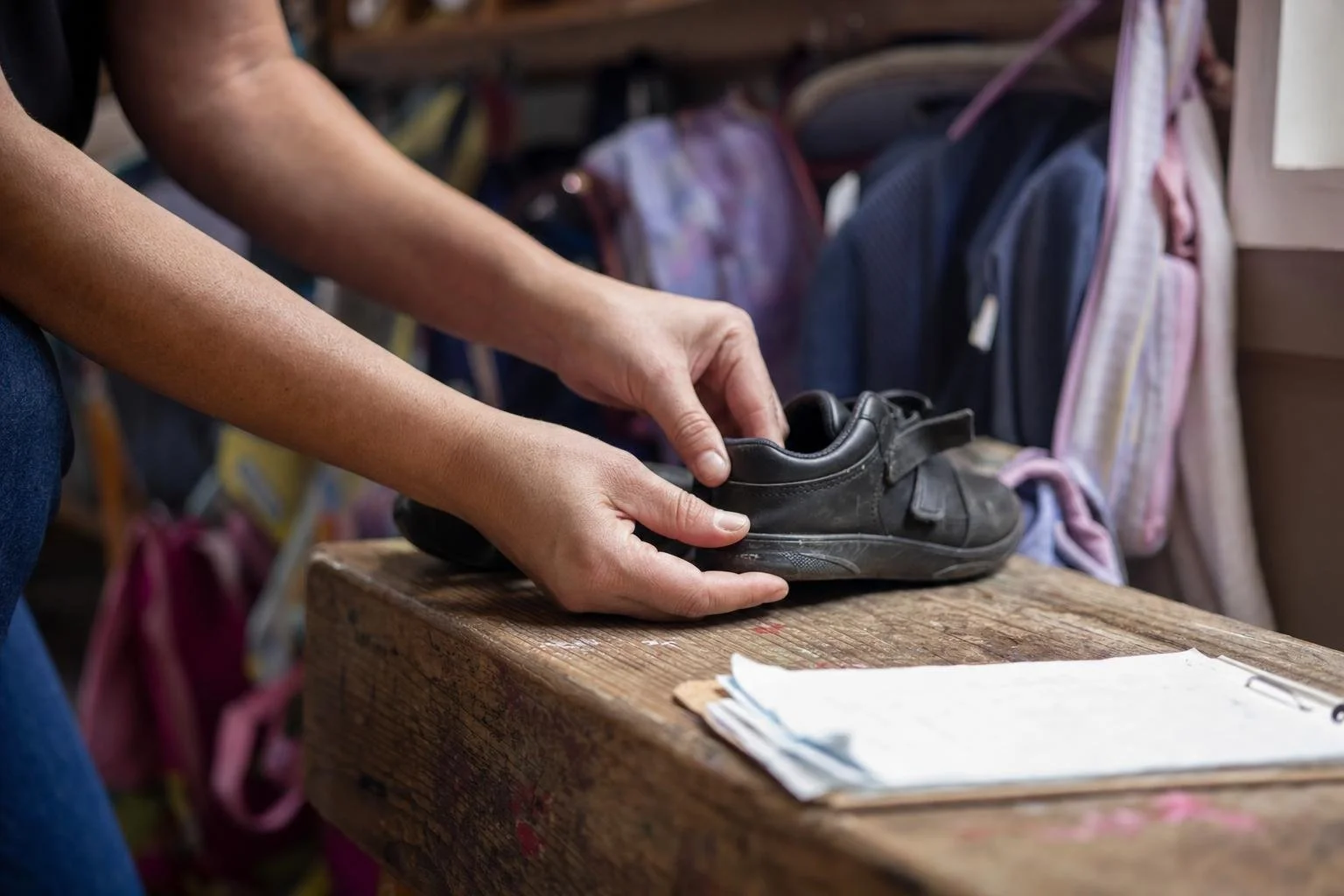
School shoes get a lot of wear, so fit and function matter more than looks. The Australian Podiatry Association offers guidance that translates neatly into a parent checklist.
Fit: Leave about a thumb's-width of room between the longest toe and the end of the shoe. Fit both feet, since they are often slightly different sizes.
Function: Look for a firm heel counter, which means the back of the shoe should not collapse when you press it. Choose a sole that flexes only at the ball of the foot, not through the middle.
Fastening: Adjustable closures such as laces or hook-and-loop straps improve fit and help children put shoes on and take them off themselves.
A quick try-on routine helps. Fit shoes later in the day when feet are at their largest, measure while your child is standing so the foot is bearing weight, and have them walk or jog a few steps to check for slipping or rubbing.
Check the uniform policy before you buy. Some schools allow black or black-and-white sneakers. If yours does and your child likes a skate look, Vans Old Skool can be worth comparing with other options. You can shop vans old skool shoes online, then run the fit checks above and confirm the uniform rules before deciding. Treat any retail page as a shopping option, not a verdict on fit for your child.
Daily Routines That Make Week One Smoother
Routines do the heavy lifting once term starts. A few consistent habits reduce morning stress and help children feel settled.
Sleep
Preschool children usually need about 10 to 13 hours of sleep, and school-aged children usually need about 9 to 11 hours. Consistent bed and wake times matter as much as the total, so start shifting the schedule a week or two before term rather than the night before. Winding down screens ahead of bed helps children settle.
Morning Flow
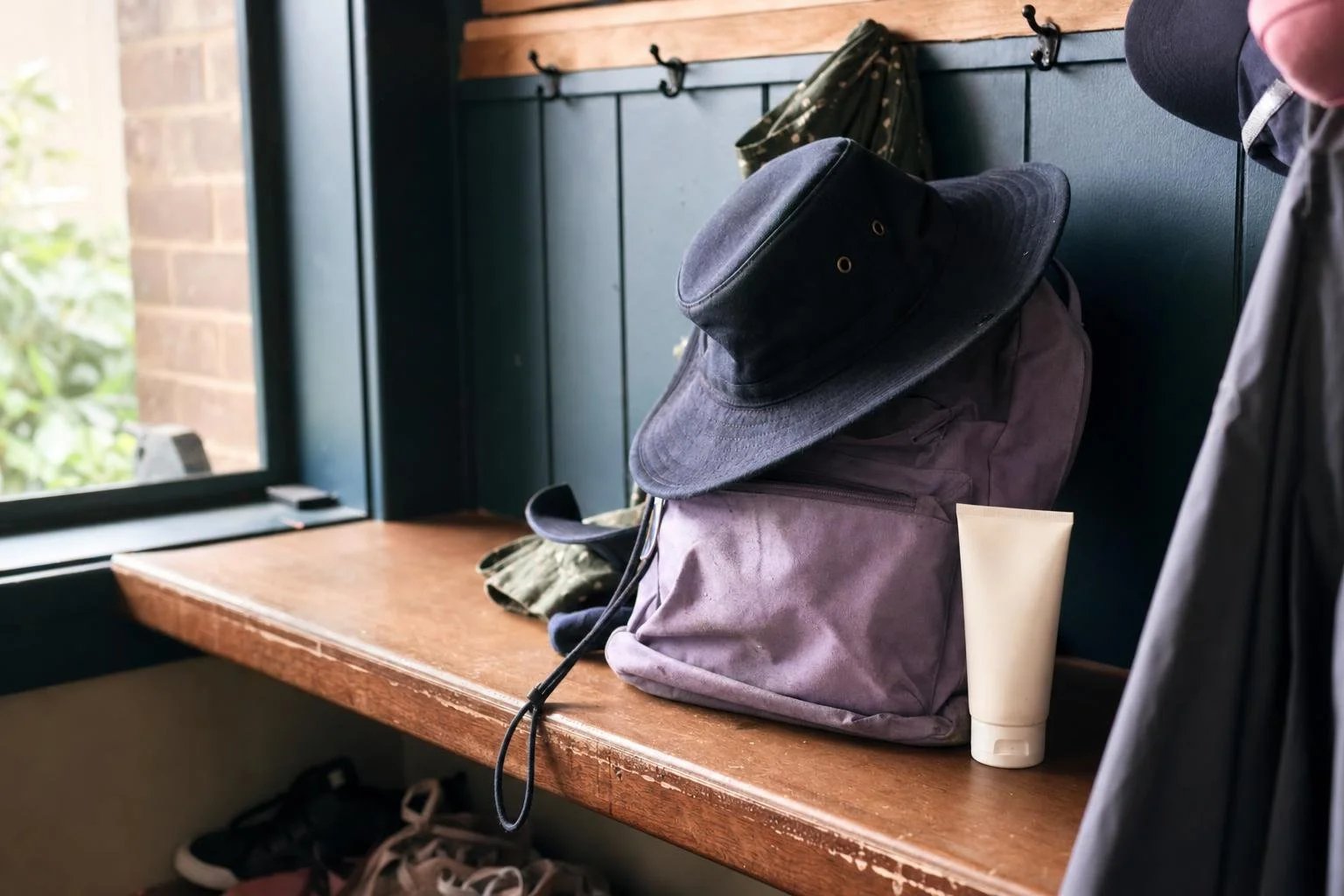
Set clothes, shoes, hat, and sunscreen in one spot the night before so mornings become a short sequence rather than a scramble. Label everything, since small items go missing fast in a busy classroom.
Lunchbox Rhythm
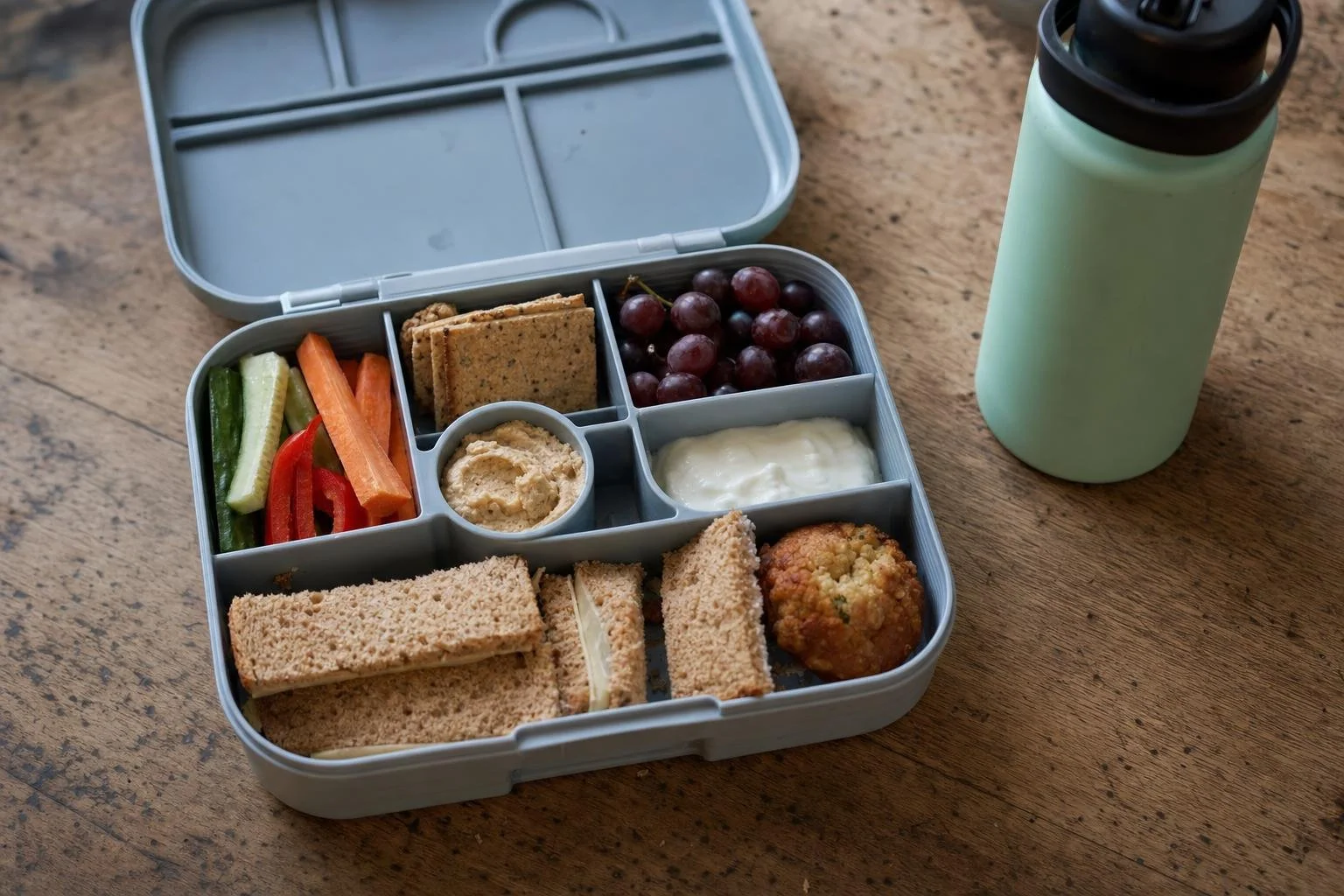
Pack across the five food groups and send water rather than sugary drinks. Practise opening containers at home so your child can manage the lunchbox independently at school.
Backpack Basics
Keep the load to no more than about 10 per cent of your child's body weight, and encourage wearing the bag over both shoulders to spread the weight evenly. A quick check on the kitchen scale settles any doubt.
Sun-Safe Habits
Many Queensland schools follow sun-safe practices supported by Cancer Council resources, including a broad-brim hat and SPF50+ sunscreen applied before school. Habits are easier when they are built at home first, so make the hat and sunscreen part of the morning routine. Check your school's specific policy, as details vary.
Your Queensland Timeline at a Glance
Keeping the dates straight removes a lot of guesswork:
Turns 4 by 30 June: eligible for an approved kindy program that year, in the year before Prep.
Turns 5 by 30 June: eligible to enrol in Prep that year. Prep is compulsory before Year 1.
Not quite ready: parents can delay starting Prep by one year. Compulsory schooling age is at least 6 years and 6 months.
Use the government eligibility calculators to confirm your child's situation, and enquire early about places so you are not rushing closer to the start of the year.
Bringing It Together
Readiness is not a single milestone. It grows with routine, practice, and fit-for-purpose choices. Confirm the age cut-offs, use published quality ratings alongside a personal visit, buy shoes that fit and fasten well, and set up a few simple daily habits at home.
When you are unsure, ask the people who see these decisions every day. Educators can talk you through readiness and program specifics, and a podiatrist can check shoe fit if you want a second opinion. Whether you are looking at Rise & Shine or another Sunshine Coast option, lean on government sources for the program facts and let your own observations guide the rest. For shoes, apply the same fit checks whether you are considering Vans, standard school shoes, or another sneaker style. Small, steady steps now make a confident start far more likely.
