
How Organised Sports Accelerate Gross Motor Milestones in School-Aged Children
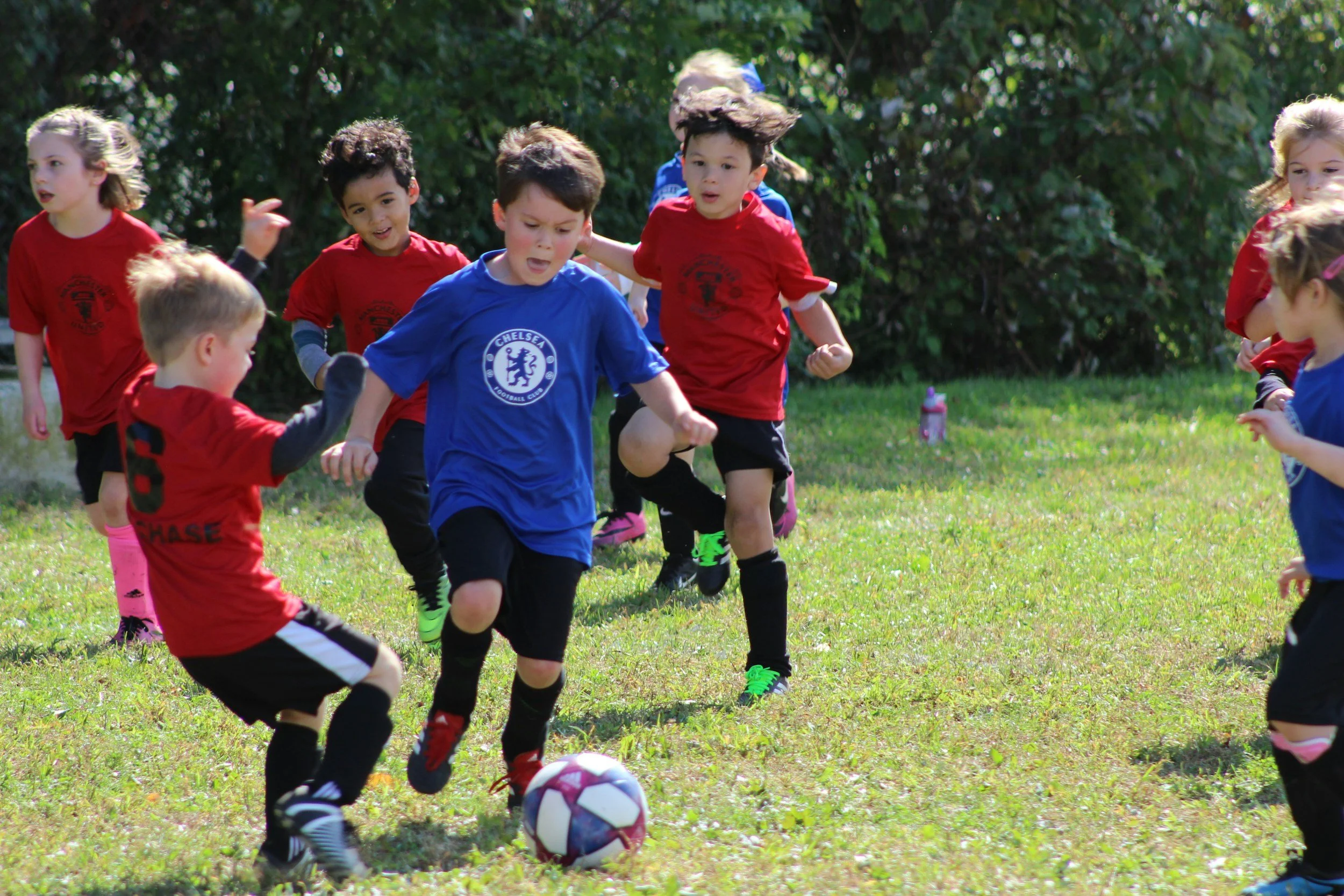
Watching a child grow from a wobbly toddler into a coordinated school-aged kid is a fascinating journey. As they enter their early school years, their physical play naturally shifts. They move away from parallel play alongside their peers and start seeking out cooperative, team-based activities. This transition marks a crucial window for physical development, especially when it comes to mastering gross motor skills. Australian Sports Commission data shows that around 40 percent of children aged 14 and under participate in organised out-of-school sports at least once a week. This high level of participation is not just about having fun or burning off excess energy after school. It plays a foundational role in helping kids hit their developmental milestones on time.
Transitioning from Baseline Milestones to Complex Movements
Right before children jump into formal sports, they spend their early years building a critical baseline of movement. Structured programs are fantastic for refining the 5 and 6-year-old milestones they are already developing naturally at home and school. These milestones include fundamental actions such as skipping, hopping on one foot, and performing somersaults safely. At this specific age, children are ready to take these basic movements and apply them to much more dynamic and unpredictable situations.
Taking that next step often involves introducing them to an environment that offers guided repetition and structured play. For example, enrolling a child in a kids basketball camp provides a supportive space where they can safely practice emerging physical and social skills. Basketball is particularly effective for this age group because it requires the developing brain to sequence movements while simultaneously tracking the speed and direction of the ball and other players on the court.
The Science Behind Goal-Oriented Play
From an occupational therapy perspective, the tasks involved in team sports are incredibly complex. They force the brain and body to work together in real-time, often requiring split-second decision making. Pediatric research confirms that goal-oriented physical activities are scientifically proven to significantly improve a child's strength, balance, and agility over time. When kids engage in repetitive, targeted muscle movements through active play, they build the physical literacy needed to navigate daily life with confidence.
This scientific link between physical movement and cognitive development is profound. Recent longitudinal research from the Millennium Cohort Study highlights that well-developed gross motor skills in early childhood actually associate positively with better spatial working memory and executive functioning by the time a child reaches age 11. These cognitive boosts highlight why early intervention through physical play is highly recommended by paediatricians.
Seeing themselves develop on the field is an additional motivator that builds lasting confidence alongside vital motor skills. The photographers from Shooting Stars Productions explain how capturing these active milestones helps parents document physical growth and emotional development through youth sports. Preserving those dynamic moments creates lasting memories while reinforcing a child's pride in their athletic achievements. Encouraging early participation in structured physical activities sets a strong foundation for lifelong health and social engagement.
Key Gross Motor Skills Boosted by Organised Sports
Different sports challenge the growing body in different ways. However, inclusive, fast-paced sports actively develop several foundational milestones that translate directly to the classroom and everyday life.
Bilateral Coordination: Dribbling a ball is a classic example of reciprocal bilateral integration. The two hemispheres of the brain must communicate seamlessly as one hand manipulates the ball while the other side of the body stabilises to maintain balance.
Crossing the Midline: Reaching across the body to pass or catch a ball helps children consistently cross their midline. This specific milestone is directly linked to a child's ability to read, write, and develop fine motor coordination while sitting at their school desk.
Motor Planning: For children showing early signs of clumsiness or coordination difficulties, navigating a busy court improves their ability to plan and execute movements quickly. They learn to adapt their bodies to their surroundings in real-time without overthinking the mechanics.
Proprioception and Spatial Awareness: Running in a group setting teaches children exactly where their body is in space relative to others. This continuous sensory feedback loop is crucial for self-regulation, spatial awareness, and building physical confidence among peers.
Setting Up for Lifelong Physical Literacy
Despite the known and widely researched benefits of youth sports, the Australian Institute of Health and Welfare notes that a majority of young children still fail to meet the national guidelines of 60 minutes of daily physical activity. By integrating structured sports early on in a child's routine, parents can help build lifelong movement habits that protect against sedentary lifestyles. The Teaching Personal and Social Responsibility model, which is frequently used in modern youth sports, has also been shown to yield measurable improvements in leadership, teamwork, and prosocial behaviours off the court.
When children practice these physical tasks in a team setting, they are not just learning how to score points or win a game. They are actively wiring their brains to handle complex physical challenges, setting a strong and resilient foundation for their teenage years and well into adulthood.
