
Planning a Family Road Trip to Brisbane Without Losing Your Mind
A Brisbane family trip isn't a casual weekend break. If you're flying in from the US with kids, you've already committed 20-plus hours of travel just to get on the ground, which means the week or two you have there needs a plan that doesn't collapse the moment someone gets hungry. Brisbane is genuinely underrated as a family destination. The weather is consistently better than Sydney or Melbourne, the drives between the city and the surrounding regions (Gold Coast, Sunshine Coast, Moreton Bay islands) are short enough for kids to tolerate, and the attractions lean toward outdoor and hands-on rather than expensive-ticket indoor stuff that kills budgets.
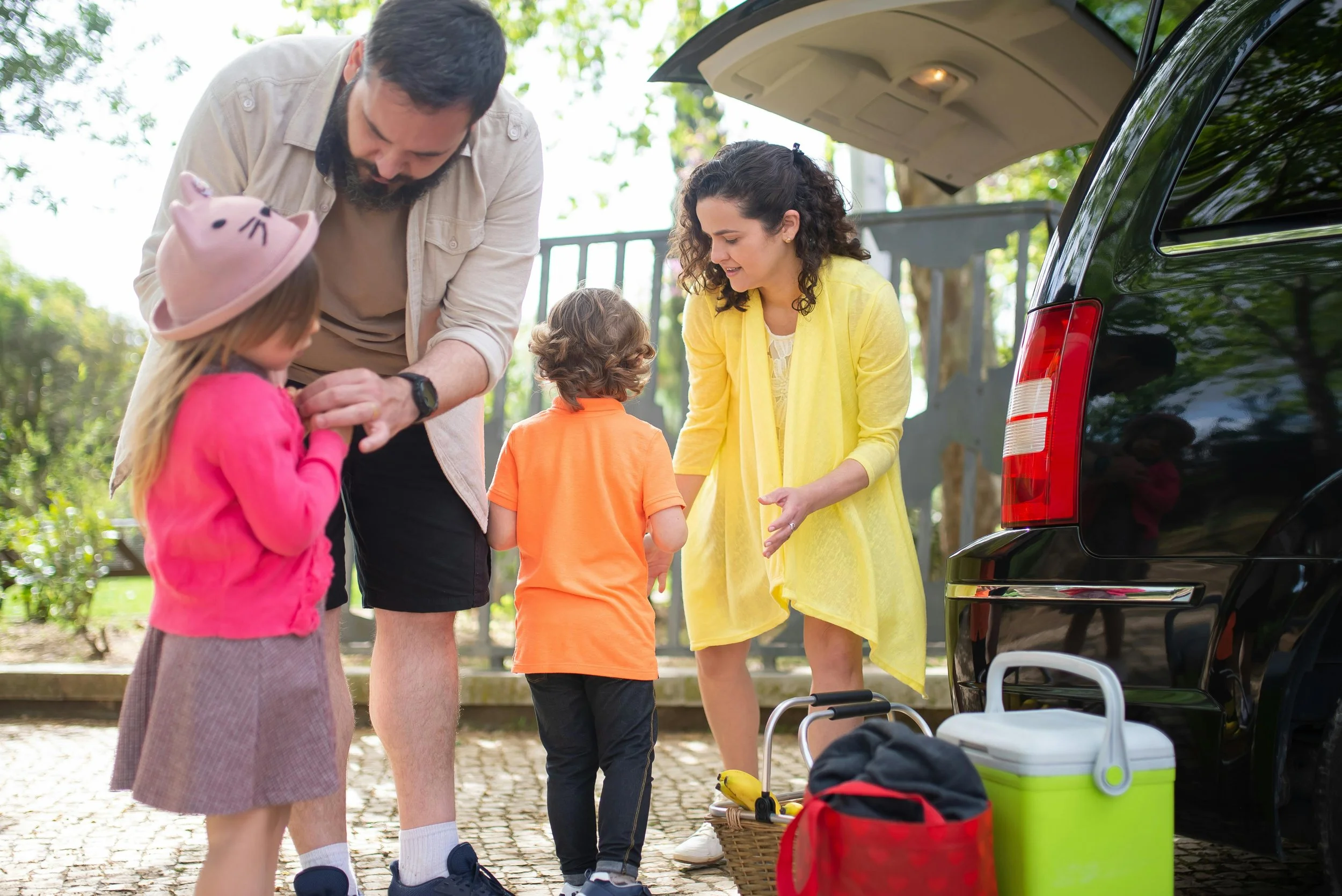
The operational piece that usually separates a smooth trip from a chaotic one is the car rental setup. Public transport in Brisbane works for city-center days, but any family trip with kids under 10 eventually requires your own vehicle for beach days, wildlife parks, and the 30-minute hops that make the region fun. Booking through a regional specialist like East Coast Car Rentals generally works out better than the global chains if you want an SUV with real boot space, predictable pickup from Brisbane Airport, and staff who know the area. Here's how I'd structure a first Brisbane family trip based on what actually works with kids.
Why Brisbane Beats Sydney for a First Australia Family Trip
Sydney is the default American family pick because the Opera House and Harbour Bridge are internationally famous. But the math on a family trip changes when you start thinking about actual time with kids rather than photo opportunities.
Brisbane advantages for families:
Shorter drives to the highlights. Gold Coast is 80 km south, Sunshine Coast is 100 km north, Moreton Island is a ferry ride from the port. all three open up completely different experiences (theme parks, beach towns, sand-island adventures) within a manageable day. Sydney's big-name experiences (Blue Mountains, Hunter Valley) involve longer drives that test small children.
Weather predictability. Brisbane averages 283 sunny days per year. Sydney and Melbourne both have notably more weather variability. For a family trip where a rained-out day means hunting for indoor activities with expensive admission fees, this matters.
Less crowded flagship experiences. Lone Pine Koala Sanctuary, Australia Zoo, Mt Coot-tha Summit, and South Bank Parklands are all genuinely significant attractions but lack the tourist-throng energy of Sydney's main sights. That means shorter queues, more space to let kids move freely, and generally a lower-stress day.
Local-authority family travel guidance is available through Visit Brisbane's official tourism site, which maintains up-to-date information on family-friendly attractions, event calendars, and seasonal programming.
What's the Right Pace for a Brisbane Week With Kids?
The single biggest mistake American families make on a first Brisbane trip is trying to do everything. The 20-hour flight in plus the 20-hour flight out means you have roughly 10 usable days on a two-week trip. Cramming all of them with attraction days leads to meltdowns.
A pacing framework that works:
Days 1-2: Brisbane city + jet-lag recovery. Don't book flights on day 1. Hit South Bank Parklands for the free lagoon pool, Streets Beach, and Lunchtime at the food stalls. Mt Coot-tha lookout for a sunset. Botanic Gardens for a shady morning. These are easy, low-pressure activities that let everyone adjust.
Day 3: Lone Pine or Australia Zoo. Both are excellent but Australia Zoo requires an hour's drive north and is a full-day commitment. Lone Pine is 15 minutes from downtown and works as a shorter experience. Pick one, not both.
Day 4: Moreton Island or North Stradbroke Island. Sand dune tobogganing, shallow beach swimming, and wildlife spotting. Both require ferry logistics but reward the effort.
Day 5: Brisbane rest day. New Farm Park, the ferries across the river, a kid-friendly restaurant dinner. Do not schedule a paid attraction; if kids are sick or exhausted you need this buffer.
Day 6: Gold Coast day trip. Dreamworld or Sea World if the kids are old enough for theme parks. Burleigh Heads if they're not, since it's a world-class swimming beach with a protected headland walk.
Day 7: Sunshine Coast or Gold Coast hinterland. Mooloolaba, Noosa, or the rainforest drives behind Nerang. Pick one.
Day 8+: Flex days for repeat activities. Kids will pick their favorite from the first week and want to go back. Book nothing until you see what hits.
How Should American Families Handle Australian Road Rules With Kids?
Driving on the left is the obvious challenge American parents worry about before arrival. The reality is that the adjustment takes about 20 minutes if you're already a confident driver; what actually catches American drivers off-guard in Brisbane is different.
Operational gotchas:
Child seat regulations are stricter than most US states. Australian law requires approved Australian-standard child restraints for children up to age 7. US-brand car seats are generally not certified. Rent child seats through your car rental provider rather than trying to bring your own; it's cheaper and avoids the adaptor question entirely.
Roundabouts are constant. Brisbane uses roundabouts the way American cities use stop signs. Yield to traffic already on the roundabout, signal your exit, and don't accelerate through them. Kids in the back will ask a hundred questions the first day.
Speed cameras are everywhere. Unlike the US, speed enforcement in Queensland is heavily automated. Speeding tickets on a rental car do find their way back to you via the rental company; the family-trip math on a fine versus saving four minutes is never worth it.
Toll roads use cashless gantries. Queensland's toll roads (gateway motorway, logan motorway) charge via number-plate recognition. Your rental car will typically be registered to a toll account by the rental provider; confirm this on pickup.
Safety guidance for driving with children is maintained by the Family Travel Association, which publishes age-specific recommendations on road trip preparation that translate reasonably well to international family driving.
What Brisbane Family Attractions Actually Justify the Admission Fee?
The paid-admission question is where budget discipline matters. Brisbane has enough free-or-cheap attractions that you can easily build a 10-day itinerary without heavy ticket costs if you choose.
Paid attractions genuinely worth it for first-timers:
Australia Zoo (Beerwah). Steve Irwin legacy, actually excellent for kids, full-day experience. Books out in school holidays; buy tickets in advance.
Lone Pine Koala Sanctuary (Fig Tree Pocket). Koala cuddles are the selling point but the kangaroo feeding area is often the kids' actual highlight.
Dreamworld or Sea World (Gold Coast). Pick based on age; under-7s generally prefer Sea World's marine shows, 8-12s prefer Dreamworld rides.
Moreton Island day cruise. Transfer costs plus activity costs add up but the combination of sand tobogganing, shallow beach swimming, and wildlife viewing genuinely warrants it.
Free or low-cost attractions that punch above their weight:
South Bank Parklands + Streets Beach. Brisbane's purpose-built urban beach with free swimming, playgrounds, and weekend markets.
Mt Coot-tha Lookout + Botanic Gardens. Free city views, cafe at the summit, short walking trails kids handle.
New Farm Park + Riverfire Ferry ride. One of Brisbane's best kid parks plus a ferry experience for under $5 per adult.
Brisbane Museum family days. Many rotating exhibits are free and school-holiday programming is excellent.
How Should Parents Pack for Brisbane Weather Swings?
Brisbane's subtropical weather is generally predictable but has more internal variation than many American parents expect. The coast can be humid and hot in summer (November-February) but inland drives into the hinterland can be 10 degrees Celsius cooler. Winter (June-August) is mild on the coast but can get surprisingly cold at night.
Packing checklist that works:
Rash guards and sun shirts for kids. UV levels in Queensland are extreme; American sunscreen-only approaches don't work for full beach days.
Reef-safe sunscreen. Great Barrier Reef destinations increasingly require reef-safe products; pack accordingly.
One warm layer per person. Even in summer, air-conditioned shopping centers and indoor attractions are aggressive.
Reusable water bottles. Tap water is drinkable everywhere in Brisbane and the surrounding region. Single-use bottles waste money and landfill space. Dads who maintain a consistent home gym routine tend to find bodyweight work in hotel rooms or beach circuits a reasonable travel substitute for the usual week.
Beach-appropriate footwear for everyone. Thongs (Australian for flip-flops) plus closed-toe shoes for bushwalks.
What to Remember
Brisbane pace matters more than Brisbane ambition; 10 days is the usable window on a 14-day family trip
Book one paid attraction day max per week; let the free-or-cheap days absorb the rest
Child seats through the rental company, not from home
Day trips to Gold Coast, Sunshine Coast, and Moreton Island are the reason you rent a car
Weather swings can exceed 10 degrees Celsius in a 60-mile inland drive; pack layers
The Bottom Line for Dads Planning a Brisbane Family Trip
Brisbane rewards families who pace themselves. The flight logistics alone eat three days of any two-week trip, which means the most common family trip mistakes are booking a paid attraction day on arrival day and trying to hit every Gold Coast theme park in one week. The trip that actually works is city-plus-regional, with rest days built into the rhythm and one solid rental vehicle handling the 30-60 minute drives that open up the best experiences. Parents who frame this kind of trip as part of a curated list of simple family pleasures tend to approach it with less pressure and better kid outcomes. Book the car well in advance of arrival, confirm child seats at booking, and plan the first two days as low-key jet-lag recovery. The rest of the trip falls into place once that foundation is right.
Frequently Asked Questions
Is Brisbane worth visiting with kids under 5?
Yes, especially because the pace of Brisbane attractions (parks, beaches, wildlife) suits young children better than Sydney's bigger-ticket experiences. Young kids also tolerate the heat better with access to free urban swimming like Streets Beach.
How many days do we need for Brisbane and surrounding regions?
Ten usable days on the ground is the sweet spot. Fewer than seven feels rushed given the flight commitment; more than fourteen usually means renting a holiday house or splitting to another region.
Should we rent a car for the whole trip or just day trips?
Whole trip. Brisbane's public transport works for downtown but the real payoff (Gold Coast, Sunshine Coast, Moreton Island ferries) requires reliable car access. Day-rental hassles usually cost more than the weekly rate anyway.
What's the best time of year for a Brisbane family trip?
September-November or April-May are ideal. School holidays (late September, December-January, mid-April) drive up prices and attractions get busy. Consider splitting the trip to avoid peak family-holiday weeks.
Related:
