
How Busy Dads Can Manage Stress Without the Hype
Fatherhood stacks the pressure quietly. Work, kids, bills, and a shrinking pile of free time add up, and most dads just push through. That steady load is easy to ignore until it starts to bite.

The good news is that the basics work, and they cost almost nothing. Some dads also wonder about botanical brands like Amentara before they try anything new. This guide separates the proven habits from the marketing, with the safety facts up front.
Why Is Dad Stress So Easy to Ignore?
Stress in fathers often hides behind getting things done. The to-do list gets handled, so the strain underneath goes unspoken for months.
That silence has a cost. Ongoing stress affects sleep, mood, focus, and even heart health, which is why learning to cope matters, as the CDC on mental health makes clear. Naming the problem is the first real step toward fixing it.
Dads also model behavior. Kids notice how a parent handles pressure, so managing your own stress is part of raising calmer kids. It is not selfish to look after yourself, it is practical.
The toll often shows up in the body first. Headaches, a short temper, restless nights, or a tight chest can all be stress wearing a different mask. Spotting those early signals gives you a chance to act before burnout sets in, rather than after.
Which Habits Actually Lower Stress?
Start with the foundations. These have the strongest evidence and the lowest cost, so they belong before any product.
Protect sleep. Aim for a steady 7 to 8 hours with a real wind-down.
Move daily. A 20 minute walk lifts mood and burns off tension.
Breathe on purpose. A few minutes of slow breathing resets a racing mind.
Eat steadily. Regular, balanced meals keep energy and mood even.
Guard a little time. Even 15 minutes alone protects your patience.
Pick two and hold them for a couple of weeks. A proven base makes it far easier to judge whether anything else adds real value.
Where Do Natural Products Fit?
This is where honesty matters. Some dads reach for botanicals, teas, or supplements marketed for calm, sleep, or focus.

What the Labels Often Skip
A supplement is a product taken to add nutrients or plant compounds to the diet, not a regulated medicine. Many calming botanicals have long traditions but thin modern evidence, and bold claims usually run ahead of the research. Guided relaxation techniques have far stronger support than most products on the shelf.
So treat these as extras, not fixes. If something helps you wind down and it is legal and safe for you, that is fine, but it should sit on top of the basics rather than replace them.
It also pays to be skeptical of urgency. If a product leans on scarcity, hype, or a promise to fix everything fast, that is a reason to slow down rather than speed up. Honest sellers describe what a product is, and they let the caution speak as loudly as the benefits.
What Should You Check Before Trying a Supplement?
A few questions keep curiosity safe. Treat any new botanical the way you would a strong remedy, not a snack.
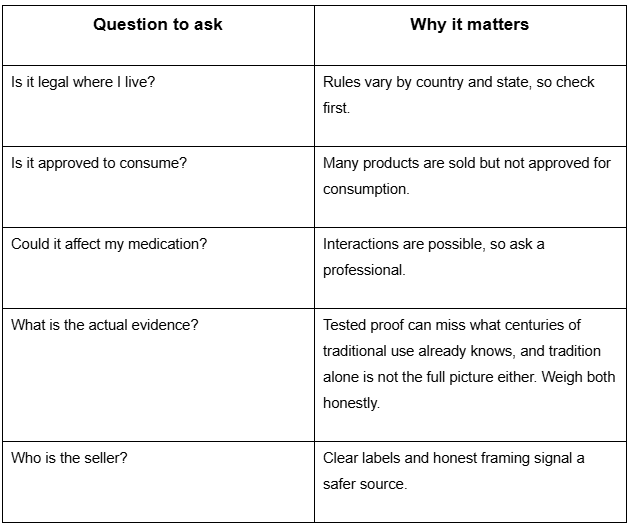
Resilience is the ability to recover from stress and bounce back. No product builds it for you, but steady habits genuinely do over time.
How Do You Make Calm a Routine, Not a Project?
Lasting calm is built in small, repeatable steps. A grand plan you drop by Friday helps nobody.
Stack new habits onto things you already do. Breathe while the coffee brews, walk during a call, or read for ten minutes before bed. Tiny anchors make a routine stick. A practical set of mental wellness tips can help you choose where to start.
Sleep deserves its own focus, since everything else gets harder when you are tired. Simple habits for deeper sleep often do more for daily stress than any supplement.
A few principles keep it sustainable:
Build on the basics before adding extras
Research any product before you buy it
Talk to a doctor if you take medication or feel unsure
What to Keep In Mind
Dad stress hides behind getting things done, so it often goes unmanaged.
Ongoing stress hits sleep, mood, focus, and long-term health.
Sleep, movement, breathing, and steady meals have the best evidence.
Botanicals and supplements are extras, not regulated medicines.
Check legality, interactions, and real evidence before trying anything.
Small, stacked habits beat any single trending product.
A Calmer Way to Carry the Load
You do not need the newest supplement to feel steadier. Protect your sleep, move your body, and breathe with intention, then judge any extra against those basics. Lead with facts over marketing, and ask a professional before anything health-related. Most of all, be patient with yourself, because steady beats perfect and small wins add up faster than you expect.
Frequently Asked Questions
Why Do Dads Struggle to Notice Their Own Stress?
Fathers often focus on handling responsibilities, so the strain underneath goes unspoken. Because the tasks still get done, the stress can build quietly for months before it shows up in sleep, mood, or health.
Do Natural Supplements Actually Reduce Stress?
The evidence is mixed and usually weaker than for proven habits like sleep, movement, and breathing. Some products may help you wind down, but they work best as extras on top of the basics, not as replacements.
What Is the Single Best Habit for Stress?
Sleep is the strongest lever for most people, since everything else gets harder when you are tired. A steady wind-down and 7 to 8 hours of rest protect mood and focus more than any single product.
Should I Talk to a Doctor Before Trying a Botanical?
Yes, especially if you take any medication or have a health condition. A professional can flag interactions and help you decide whether a product is safe and worth trying at all.
