
Processed Food, Inflammation and a Dad's Mental Health
It is 9 p.m., the kids are finally asleep and dinner was whatever came out of a box in the freezer. Lunch was a gas station sandwich between meetings, and breakfast was coffee. For a lot of dads, that is an ordinary Tuesday, and most of us do not connect it with the short temper, foggy focus and flat mood that show up by the end of the week.
Men are also less likely than women to talk about how they feel, so those signs often get written off as a bad week at work or not enough sleep. Food rarely makes the list of suspects. Yet what goes on the plate every day is one of the few things a busy father can actually change, starting with the next trip to the grocery store.
The connection is getting harder to ignore. Researchers have spent the past decade looking at how diet affects the brain, and ultra-processed food keeps coming up. These are products made mostly from refined starches, sugars, industrial oils and additives, with little that resembles the original ingredients. They now make up more than half of the calories eaten in the average American household. The research suggests that inflammation from processed foods can cause disrupted neurological function, and that link helps explain why a week of convenience eating can leave a man feeling worse in ways that have nothing to do with his waistline.
What the research shows
In 2024, an umbrella review in The BMJ pooled evidence from studies covering nearly ten million people. It found that higher intake of ultra-processed food was consistently associated with a greater risk of anxiety and common mental disorders, along with heart disease, type 2 diabetes and early death.
Association is not proof of cause. Men under pressure may reach for convenience food because they are already stressed. But the pattern holds across many countries and study designs, and there are clear biological reasons to take it seriously.
How inflammation reaches the brain
Inflammation is the immune system's response to injury or threat. In the short term it helps the body heal. When it stays switched on at a low level for months or years, it starts to cause harm.
Diets high in refined carbohydrates, added sugar and certain processed fats raise markers of this chronic, low-grade inflammation. Those inflammatory signals do not stay in the gut or the bloodstream. They can cross into the brain, where they affect how neurons communicate, how neurotransmitters such as serotonin and dopamine are produced and how well the brain handles stress.
People with depression often show higher levels of inflammatory markers, and some research suggests that inflammation may make certain antidepressants less effective. That does not mean a single burger causes depression. It means a steady diet of highly processed food adds a load that the brain has to work against.
The gut connection
The gut is home to trillions of bacteria that break down food the body cannot digest on its own, mainly fiber. In return, they produce compounds that calm inflammation and support the lining of the gut.
Ultra-processed diets tend to be low in fiber and high in additives such as emulsifiers, which studies suggest can disturb this community of bacteria. When the balance shifts, the gut lining can become more permeable, letting inflammatory molecules into the bloodstream. The gut also communicates directly with the brain through the vagus nerve, which is one reason researchers now talk about a gut-brain axis.
Blood sugar and the afternoon crash
Many dads know the 3 p.m. slump well. Meals built on white bread, sugary drinks and snack foods cause a quick spike in blood sugar followed by a drop. The drop brings fatigue, irritability and cravings for more of the same food.
Over a whole day, that cycle makes it harder to stay patient with kids, focused at work and motivated to exercise. Meals with protein, fiber and healthy fats release energy more slowly and keep mood steadier.
Practical changes that fit a dad's schedule
You do not need a meal plan from a nutritionist to see a difference. A few swaps go a long way.
Keep breakfast simple and real. Eggs, Greek yogurt, oats or whole-grain toast with peanut butter take a few minutes and keep you full until lunch. If mornings are chaotic, overnight oats made the night before are ready when you walk out the door.
Cook in batches on the weekend. A big pot of chili, a tray of roasted vegetables or a slow-cooker chicken dish can cover several meals. These ideas for healthy family meals show that the kids do not have to suffer through bland food for you to eat better.
Swap the vending machine for a stash of nuts, fruit or jerky in your bag or desk. Drink water through the day, especially if you train or work outdoors, and keep an eye on how much sugar arrives in coffee drinks and sodas.
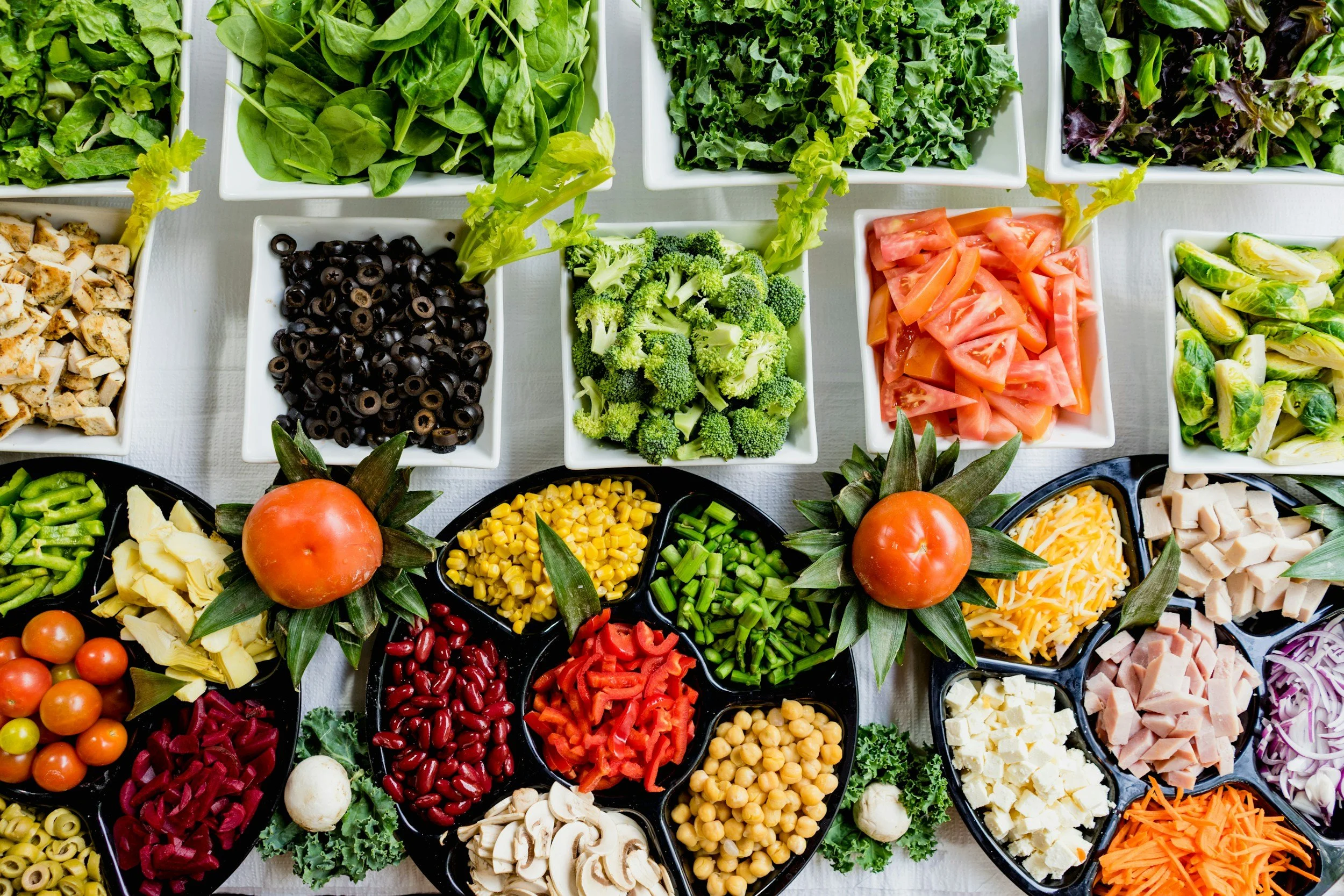
Follow the pattern that has the strongest evidence. The Mediterranean-style diet, built on vegetables, beans, whole grains, fish, nuts and olive oil, was used in the SMILES trial, where adults with depression who improved their diet were far more likely to reach remission than those who did not.
Food is one part of the picture
Diet will not fix everything. Sleep, exercise, stress, relationships and, for some men, medication and therapy all play a part. Taking a broad view is what integrated mental health is about, treating body and mind as one system rather than separate problems.
If your mood has been low for weeks, if you have lost interest in things you used to enjoy or if you are struggling to function, talk to a doctor. Better food supports treatment, but it does not replace it. For most dads, though, cutting back on processed food is one of the simplest changes available, and many notice steadier energy and a longer fuse within a few weeks.
