
Renovation Dos and Don'ts: Tips from the Pros
Tearing down walls and picking out new fixtures feels thrilling. Homeowners jump into construction with big dreams and tight budgets.
Plan a major property upgrade to prevent common mistakes. Professional builders know exactly what works and what fails during a structural overhaul. Learning industry secrets keeps your project on track from start to finish.

Map Out Your Project Goals First
Clear priorities prevent expensive mid-project adjustments. Embarking on a full house remodel means you need to call the right professional for the job. Property owners must decide which rooms require immediate attention. Skipping preparatory steps leads to chaos during active construction.
Beautiful countertops mean nothing if the kitchen layout blocks your refrigerator door. Spend time tracking daily traffic patterns to optimize your layout. Making layout choices based on lifestyle generates better long-term results.
Discuss options with everyone living in the residence. Gathering input early prevents arguments regarding design choices later. Write down non-negotiable features versus optional upgrades. Have a definitive list to guide your decision-making process when challenges arise.
Establish Realistic Timelines
Construction schedules experience unexpected shifts. About 45% of homeowners underestimate the timeline of a remodel by at least two months. Preparing for potential delays keeps stress levels manageable.
Weather delays, shipping pauses, and labor availability affect the speed of work. Delays happen on almost every major site. Give your family a generous buffer period to preserve your sanity. Expecting a flawless schedule only leads to frustration.
Living on site during heavy construction lengthens the process. Crews move more slowly when they must clean up completely at the end of each day. Pack up your belongings and move out temporarily to accelerate the completion date.
Avoid Relocating Existing Plumbing Lines
Working around your current layout can save over $5,000 in labor costs. Design professionals state that changing the location of major plumbing lines increases bathroom and kitchen remodel costs by up to 40%. Keeping pipes in their original positions keeps your expenses predictable.
Think carefully before moving a toilet or sink to the opposite wall. Subfloor drilling and heavy pipe redirection need specialized plumbing labor. Working with existing layouts to maximize your design dollars remains a smart strategy. Small cosmetic changes offer a fresh look without the massive price tag. Removable finishes suit that strategy well, since peel and stick wallpaper can refresh a bathroom or kitchen wall in an afternoon without touching plumbing lines or opening up drywall.
Consult with a licensed plumber before finalizing your kitchen drawings. Professional tradespeople identify structural boundaries that prevent simple pipe relocation. Modifying drainage paths requires opening floors in lower levels. Keep fixtures near existing stacks to minimize structural damage.
Plan Your Financial Cushions Safely
Hidden issues behind drywall break the tightest budgets. Set aside a 15% to 20% contingency fund intended for structural surprises during major tear-outs. Old framing might contain wood rot or outdated wiring hidden from view. Addressing unexpected problems immediately avoids safety hazards.
Smart financial preparation involves tracking several distinct categories:
Structural modifications and permit fees
Temporary living arrangements during demolition
Material delivery charges and storage costs
Unexpected labor adjustments
Decorative finishes and final hardware
Allocating funds early prevents your project from stalling halfway through completion. Families who budget strictly for visible items face major financial stress later. Keep cash reserves accessible throughout the construction process. Having liquid savings ready means contractors can solve issues.
Select Finishes and Materials Early
Ordering fixtures early keeps the crew working with no interruption. Waiting until the last minute for custom tiles or appliances delays the final walkthrough. Delivery trucks arrive later than anticipated. Sourcing items early prevents schedule setbacks.
Secure your selections months before contractors begin tearing down walls. Storing items in a garage or warehouse guarantees availability. Make selections early to prevent your team from sitting idle on site. Builders appreciate having materials ready before demolition begins.
Supply chain disruptions can derail even the most organized plans. Choosing backup options for plumbing fixtures and flooring protects your timeline. If your primary choice becomes unavailable, the backup choice can step in immediately. Flexibility keeps the project moving forward smoothly.
Update Core Utilities Before Cosmetics
Prioritize upgrading electrical panels and heating units during the initial phases. Modern appliances come with stable power connections to function properly. Neglecting infrastructure results in expensive tear-outs later.
Fix leaky copper pipes before installing expensive custom cabinets. Closing up walls over old plumbing creates future disasters. Smart investors focus on structural health before buying decorative items. Upgraded insulation lowers utility bills and improves indoor comfort.
Hire an electrician to evaluate your current wiring capacity. Older homes lack the amperage necessary for modern living. Upgrading panels now saves money compared to opening finished walls later. Safety should always come before visual beauty.
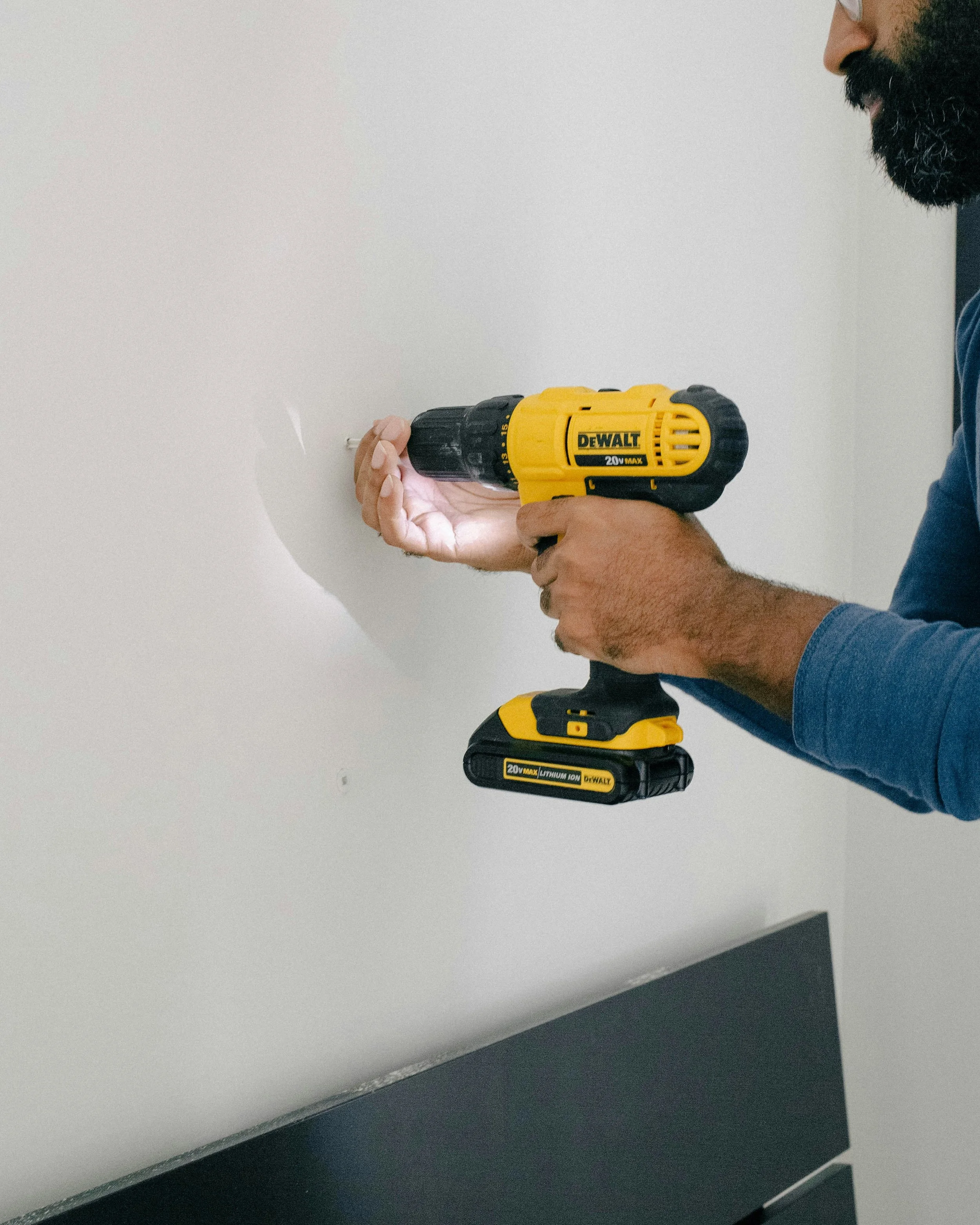
Transforming a house into your dream property demands patience and steady guidance. Mistakes happen when homeowners rush the planning phases.
Following professional advice keeps your budget balanced and your timeline manageable. Focus on structural integrity before enjoying the final stylistic details of your newly upgraded living space. Successful renovations depend on careful preparation and open communication with your building team.
