
Structural Checks to Keep Your Family Safe
A home provides shelter and comfort for your loved ones. Structural integrity forms the true backbone of any safe living environment.
Small changes in your house can point to larger issues developing behind the scenes. Catching problems early protects your family and keeps your property stable for decades. Regular structural assessments protect your financial investment.
Hidden Warning Signs In Your Foundation
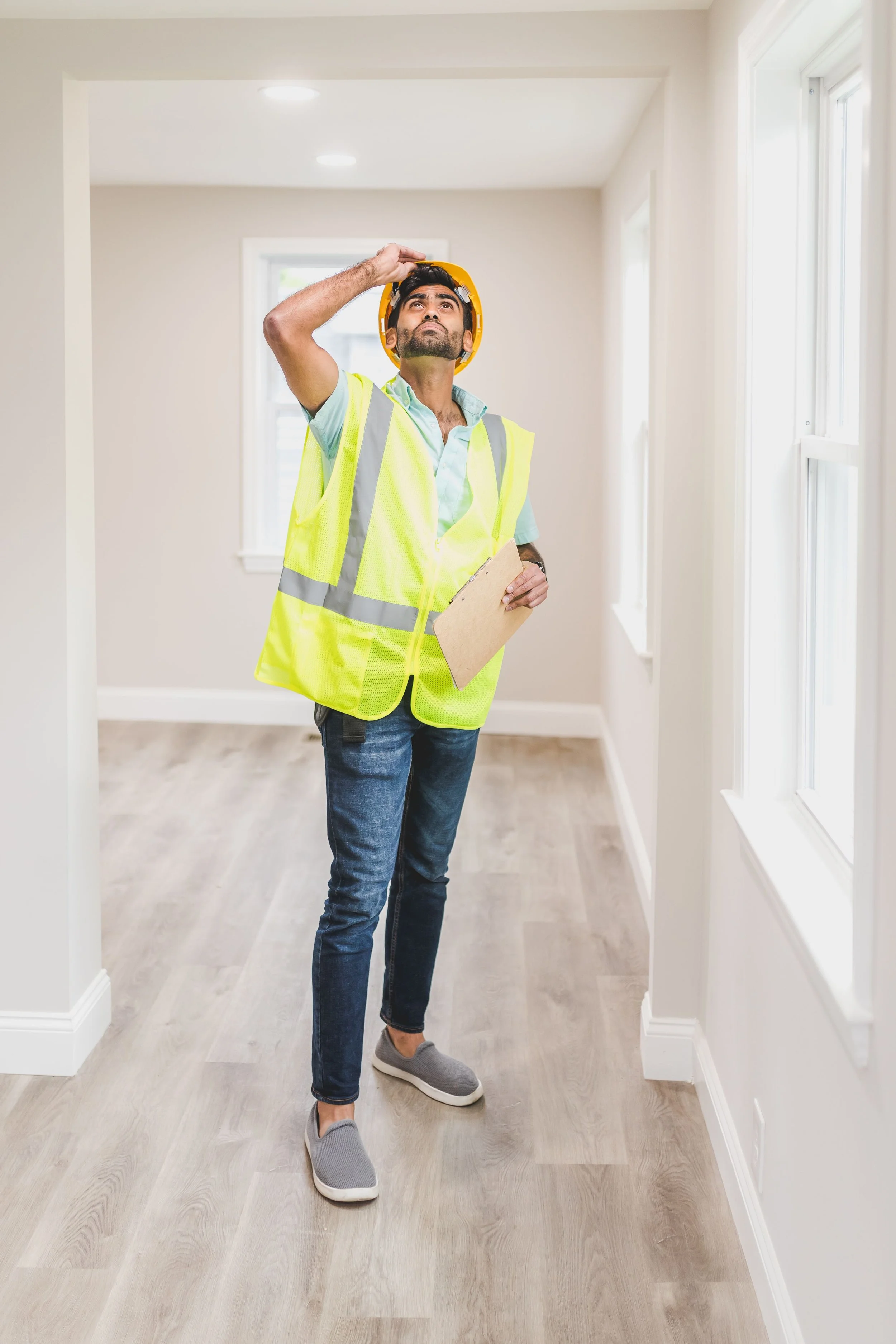
Foundation issues can compromise the safety of your entire property. When partnering with reliable crews, homeowners can pinpoint structural flaws before they expand. Early detection prevents minor issues from turning into major hazards.
Look closely at your basement walls for small cracks or shifting blocks. Doors that stick or windows that refuse to open smoothly signal a shifting base. Cracks in drywall above door frames mean the ground underneath is moving. Soil conditions change with the seasons, causing foundations to drop or heave.
Watch for uneven floors when walking through your rooms. A sloped floor indicates that the support beams below are no longer level. Ground movement demands professional assessment to avoid long-term damage to the framing.
Roof And Attic Inspections For Long-Term Safety
The roof protects your home from harsh weather elements year after year. Roofing contractors like Young Construction can inspect the roof and make necessary repairs. Sagging rooflines indicate weak rafters or compromised support structures. Check your attic space regularly for broken collar ties or cracked beams.
Light filtering through the roof boards means structural gaps have formed. Left unaddressed, a failing roof structure can collapse under extreme weather stress. Walk around your exterior to spot drooping sections along the ridge line. Catching structural sagging early keeps your roof from framing failure.
What To Expect During A Professional Assessment
The assessment includes checking the foundation, the framing, and the roof load paths. Inspectors use specialized tools like laser levels to measure floor slopes accurately. They document their findings in a detailed report for your records.
Knowing the exact condition of your framing helps you plan future maintenance budgets. Professional guidance prevents you from wasting $1,000s on surface fixes when deeper issues exist. Addressing structural problems early maintains the long-term value of your home.
Examining Load-Bearing Walls And Framing
Interior walls hold up the heavy weight of your upper floors and roof system. Removing or altering a load-bearing wall without proper support causes immediate structural sagging. Homeowners mistake structural settling for simple cosmetic aging. A professional structural assessment can thoroughly evaluate framing elements.
Look for walls that seem to bow outward or lean to one side. Gaps between the wall and the ceiling indicate serious structural movement. Support posts in your basement must remain vertical to distribute weight properly. Rusting metal jacks or rotting wooden posts need replacement to prevent floor collapse.
Heavy renovation work can accidentally compromise load paths if done without expert advice. Cutting into ceilings or moving interior partitions comes with careful planning. Consulting a structural expert before swinging a sledgehammer keeps your household safe from unexpected ceiling drops.
The Impact Of Moisture And Water Damage
Water is one of the greatest enemies of a stable home structure. Persistent leaks rot wooden framing members and weaken concrete foundations. Mold growth can destroy structural wood over several months.
Check around your rim joists for soft spots caused by water intrusion. Poor exterior drainage directs rainwater straight toward your foundation walls. Saturated soil exerts immense pressure against basement walls. Keeping gutters clean directs water away from vulnerable structural points.
Leaking pipes inside walls go unnoticed until the drywall begins to soften. Long-term exposure to moisture weakens the structural capacity of wooden studs. Regular plumbing checks prevent hidden water issues from destroying your wall framing.
Technical Standards For Home Assessments
A standard inspection helps homeowners plan. Regulatory updates and industry practices define how experts evaluate residential safety.
A safety guidelines update notes that formal structural reviews for residential houses should occur once every 10 years
Modern checklists combine traditional maintenance with emerging structural concerns
A real estate guide explains that a typical expert evaluation requires 2 to 4 hours, based on house size
Professional examiners look at every major support system during these hours. Detailed reports give you a clear understanding of property health.
Indicators Of Structural Shifts Outside The House
Exterior inspections offer valuable clues about what is happening inside your walls. Walk around your perimeter and examine the chimney structure carefully. A tilting chimney indicates that the foundation beneath it is failing or pulling away from the main house. Brick homes show structural stress through staircase cracks in the mortar.
Look closely at the gap between your garage door frame and the surrounding wall. Widening gaps mean the structure is moving sideways. Check your retaining walls for signs of leaning or cracking under soil pressure. Failing retaining walls can cause the earth supporting your home to slide away.
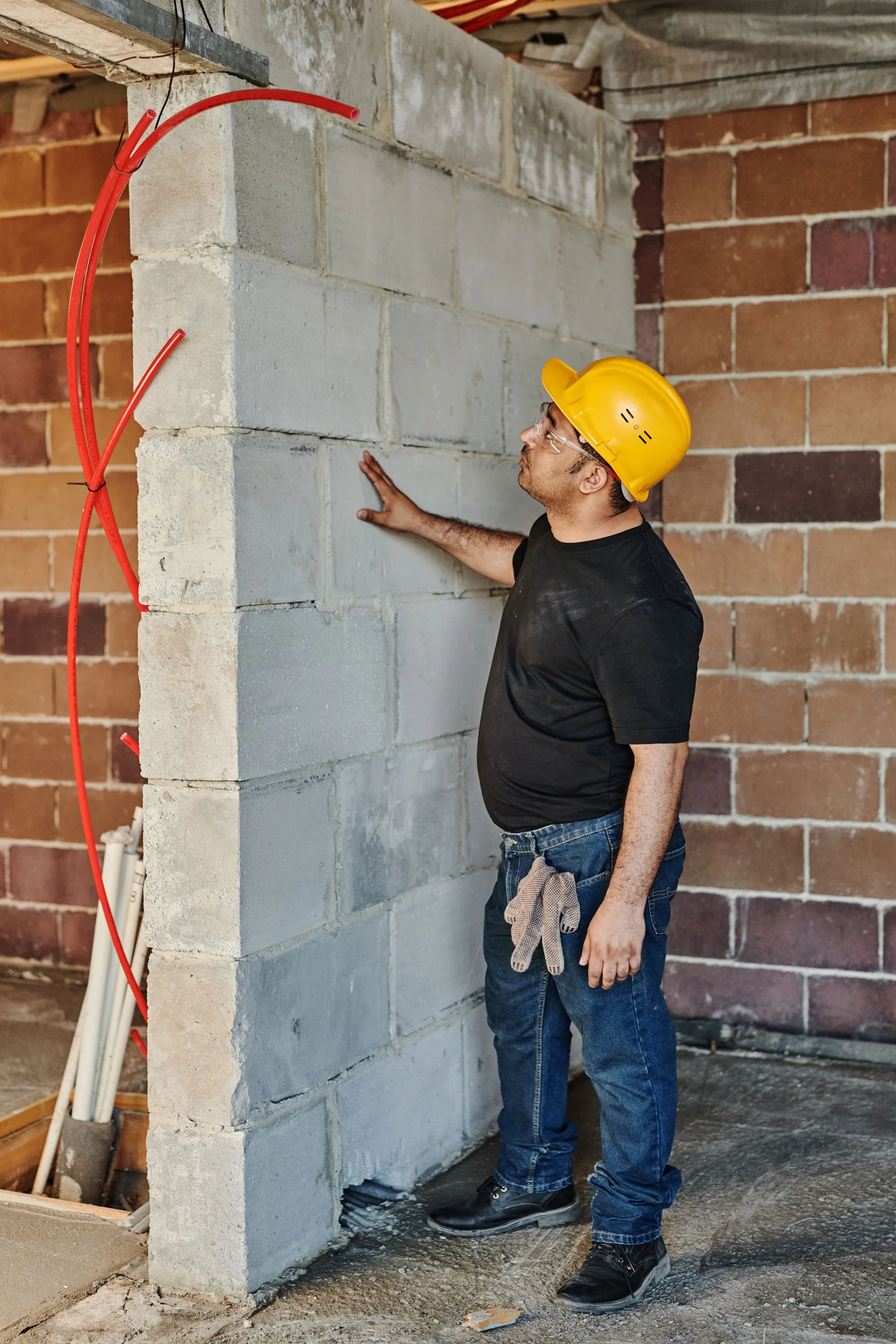
Protecting your family means looking after the foundation and framing that keep your roof overhead. Regular observations can prevent minor cracks from turning into catastrophic failures.
Your house protects your loved ones every day, so giving it the proper care makes sense. Keep your living space strong, stable, and secure for the future by prioritizing structural safety.
