
The Parent’s Guide to Handling Health Surprises After Dark
Parenting has a strange sense of timing. A child can be perfectly fine at 3 p.m., then suddenly feel hot, look pale, complain about an earache, or start coughing like they’ve been rehearsing for it all day. And of course, it usually happens when the doctor’s office is closed, dinner is half-made, and everyone is already tired.
That’s when you need more than panic. You need a calm way to think.
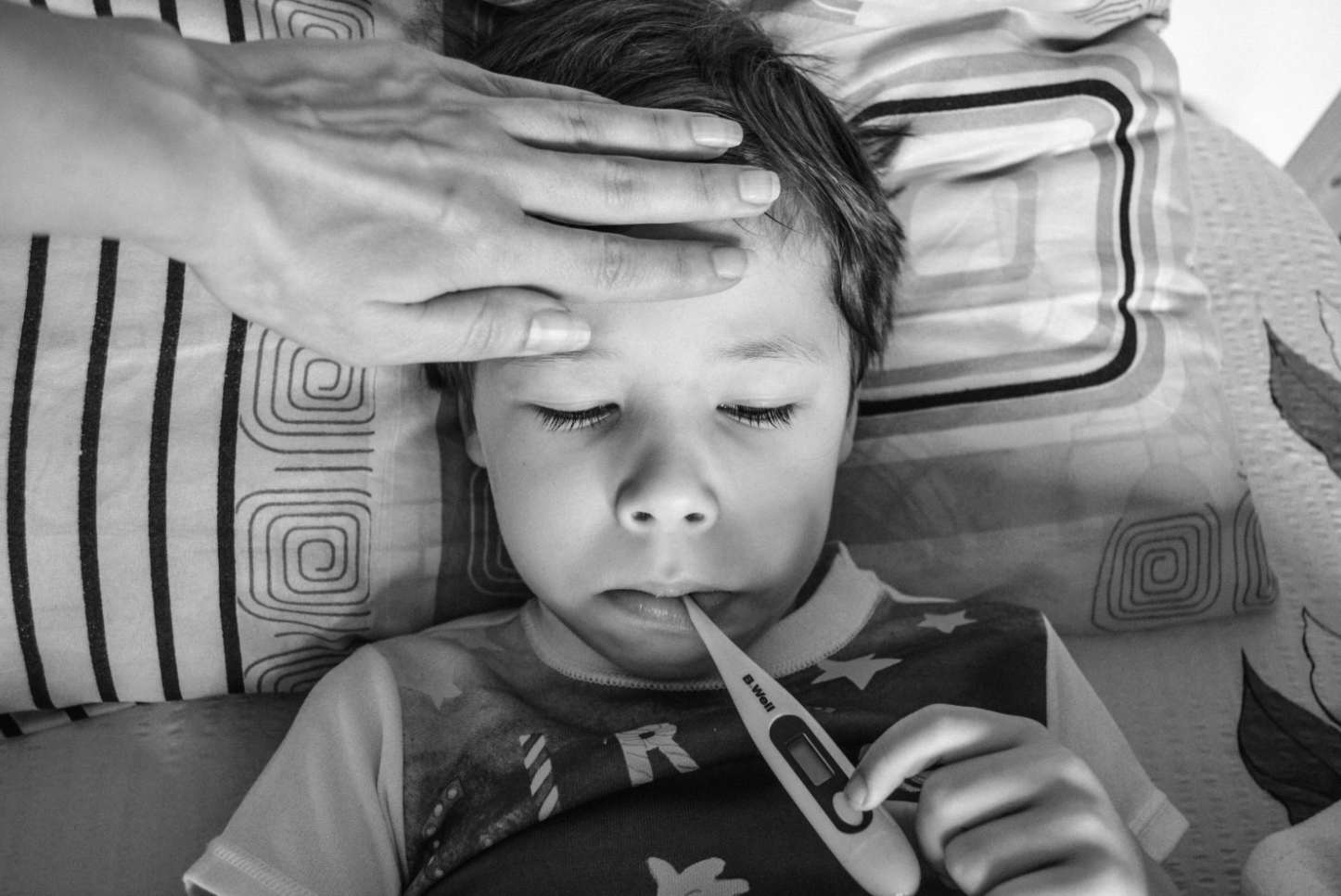
Why Kids Always Seem to Get Sick at the Worst Time
Children don’t follow neat schedules, and neither do symptoms. A fever can climb after bedtime. A sore throat can become more painful overnight. A playground bump can look worse once the swelling starts. It doesn’t mean every situation is an emergency, but it does mean you need to pay attention.
The hard part is that nighttime makes everything feel bigger. You’re tired. Your child may be upset. You might start Googling symptoms, which rarely makes anyone calmer. Instead of jumping to the worst conclusion, slow the moment down. Look at what you can actually see.
Is your child breathing normally? Are they drinking fluids? Are they alert? Is the pain manageable, or is it getting worse? These small questions help you move from fear to facts.
The Difference Between Panic and Preparedness
Being prepared doesn’t mean you expect something bad to happen. It simply means you don’t have to figure everything out from scratch when your house is already stressed.
Keep basic medical supplies where you can find them: a thermometer, age-appropriate fever medicine, plasters, antiseptic, rehydration solution, and any medication your child uses regularly. Also keep important information saved somewhere easy: allergies, current medication, your doctor’s number, your child’s medical aid details, and the closest urgent care options.
This is not dramatic. It’s practical.
When you already know where things are and who to call, your brain has more space to make better decisions.
Building a Simple Home Health Game Plan
Every family should have a “what now?” plan. Not a complicated file full of rules. Just a simple idea of what you’ll do when something feels off.
For example, mild symptoms can often be watched closely at home with rest, fluids, and the right care. Symptoms that worsen, involve breathing trouble, severe pain, dehydration, allergic reactions, or unusual drowsiness need faster attention.
You don’t have to diagnose everything yourself. That’s not your job. Your job is to notice, respond, and know when extra help is needed.
When It Makes Sense to Get Help Outside Regular Hours
There is real comfort in knowing that after-hours medical care exists for those awkward in-between moments. Not every problem belongs in an emergency room, but some things also shouldn’t wait until tomorrow.
For parents, that middle ground matters. It gives you a safer option when your child needs professional attention, but the situation isn’t clearly life-threatening.
The best time to think about this is before you need it. Save the details. Know the location. Understand your options.
Because when health surprises show up after dark, calm doesn’t come from knowing everything. It comes from knowing your next step.
