
Unplugged Up North: A Dad’s Guide to a Minnesota Lake Vacation With Kids
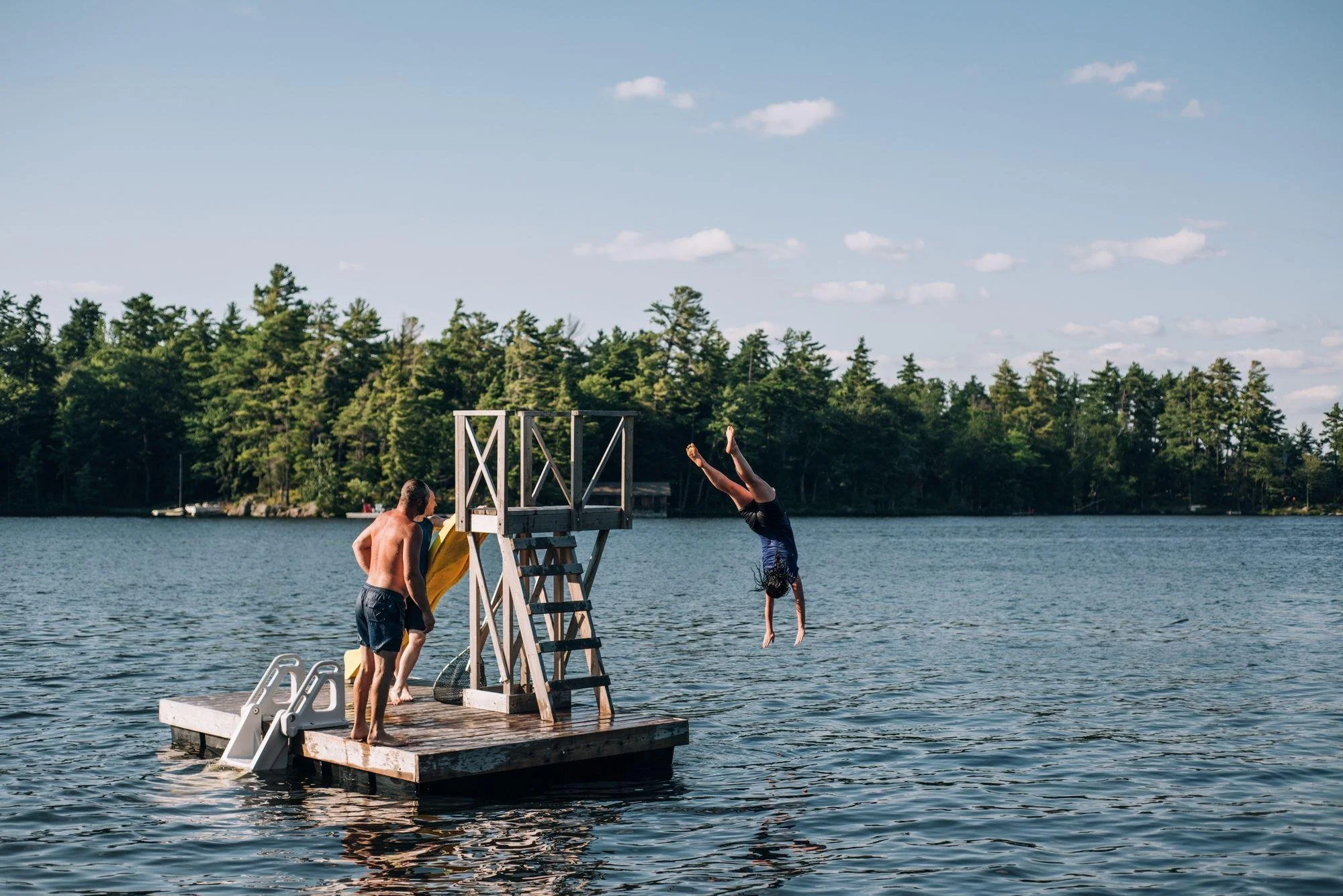
Kids are pretty good at telling you what they want from a vacation. A pool. A water park. Wi-Fi that actually works.
What they need is usually simpler and a lot quieter. A dock, a bucket, a few hours with nothing on the schedule, and a dad who isn’t checking his email every twenty minutes.
That’s the case for a lake week in northern Minnesota. Up north, the roads get narrower and the cell signal gets spotty. The day starts to organize itself around the weather, the fish, and whatever just swam under the dock.
Here’s how to pick a spot, when to go, what kids actually do all day, and how to keep everyone safe and mostly dry.
Why a Lake Week Works for Kids
Boredom gets a bad rap. On a lake, it tends to last about fifteen minutes before somebody figures out that minnows can be herded with a sand pail.
That’s the whole point. Without a packed itinerary or a screen in every hand, kids fall back on slow, physical, self-directed play. They skip rocks. They build forts out of driftwood. They argue about whether that was a loon or a duck.
There’s some decent science behind the idea that time outside helps kids reset. In one small controlled trial, children with ADHD concentrated better after a 20-minute walk in a park than after the same walk downtown or through a neighborhood. It was 17 kids, ages 7 to 12, so it’s hardly the final word.
Still, it matches what most parents see at home. Kids who spend the day outside are usually calmer at dinner and asleep faster at night.
One tip: don’t announce a “screen detox.” Kids hear that as a punishment. Pick a place where the screens are less interesting than what’s outside, and let the lake win the argument for you.
Picking a Base Up North
Where you stay shapes the whole week, so be picky.
If you want the real end-of-the-road feel, Crane Lake, Minnesota is a strong pick. It’s where the highway ends and the wilderness waterways begin, and it serves as a gateway to Voyageurs National Park. You get fishing, paddling, hiking, and wildlife cruises right from town, plus a range of places to sleep: cabin rentals, resorts, houseboats, and an RV campground.
Houseboats deserve a special mention for families. A houseboat is basically a floating cabin, and to most kids that’s the coolest idea anyone has ever had. Just ask about railings, kid-size life jackets, and how the boat handles wind before you book.
Wherever you land, here’s what I’d check before putting down a deposit:
Swimming access. A gradual, sandy entry or a solid dock with a ladder beats a rocky drop-off when you’ve got little ones.
Rentals on site. Canoes, kayaks, or a small fishing boat you can grab without a trailer save you a ton of hassle.
A real kitchen, because three meals a day out with kids gets expensive and loud.
Distance to groceries and a clinic. Remote is the appeal. Just know how remote before you need children’s ibuprofen at 9 p.m.
Honest answers on cell and Wi-Fi coverage. Spotty is fine. Surprised is not.
When to Go: Summer, Fall, or Winter
Each season up north feels like a different trip.
Summer is the classic for good reason. The water’s as warm as it gets, the days run long, and everything’s open. It’s also bug season, and early summer can be rough near dusk or deep in the woods. Plan for that and you’ll be fine.
Early fall is the sleeper pick for a long weekend. Bugs thin out, the lakes quiet down, and the birch and aspen turn gold. The tradeoff is cold water, which changes how careful you need to be in a canoe.
Winter is its own thing. Crane Lake is a snowmobiling spot once the snow flies, and ice fishing or snowshoeing can be a blast with older kids who handle cold well. With toddlers, I’d save it for later.
Spring is the trickiest. Ice leaves the northern lakes on its own schedule, and the water stays dangerously cold long after the shoreline looks inviting. The DNR posts ice-out dates each year if you’re thinking about a May trip.
What Kids Actually Do All Day
Less than you’d think. A good lake day is often one planned activity and a lot of puttering.
Fishing
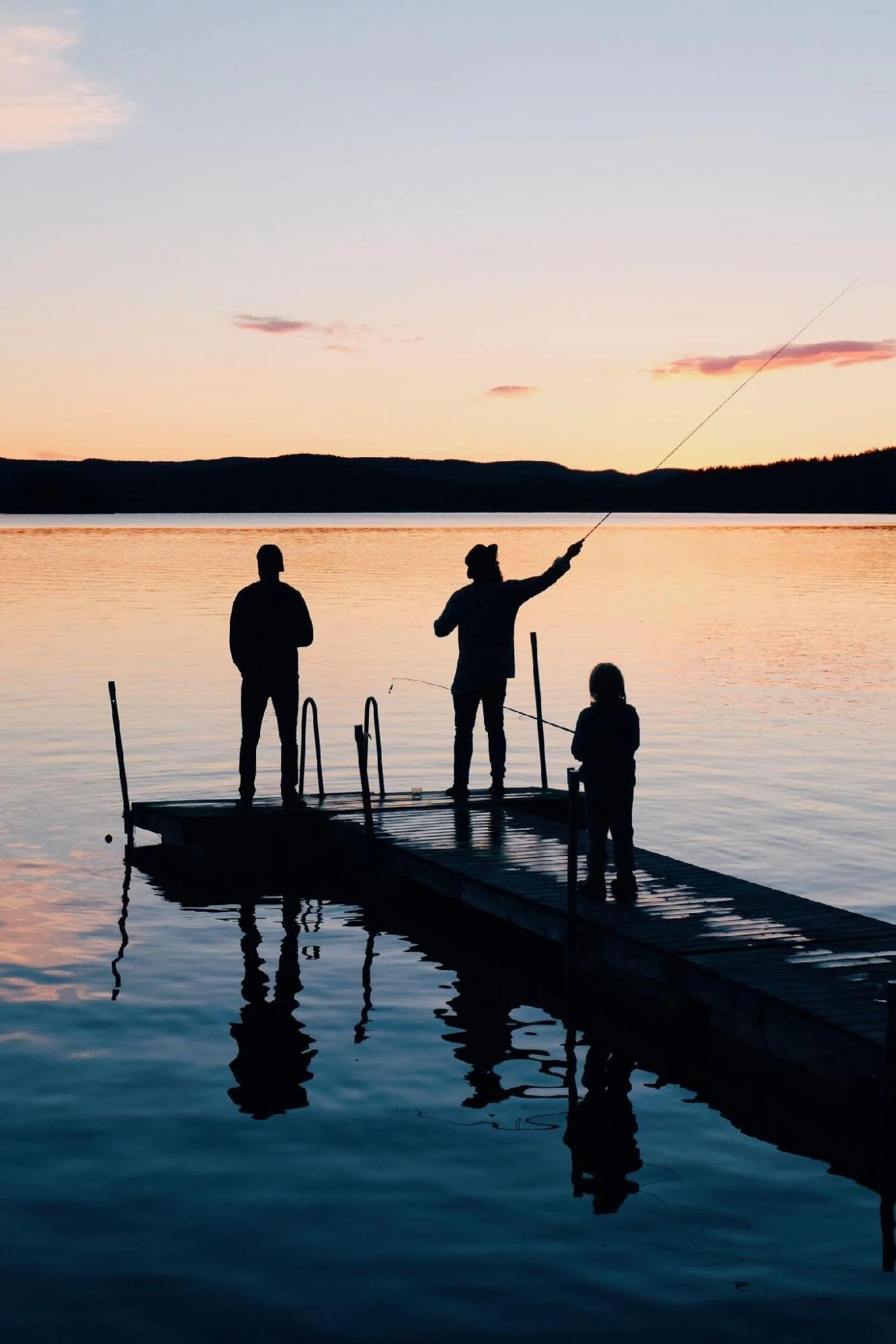
Keep it simple. A basic spincast rod, a bobber, and a container of worms will catch sunfish and perch off most docks. Kids want action, not trophies. In summer, try early morning and evening, when fish are more likely to be near shore.
On licenses, Minnesota residents under 16 don’t need one. Nonresident kids under 16 can fish without a license if a parent or guardian has one, though their fish count toward that adult’s limit. Rules change, so double-check the current DNR regulations before you go.
Paddling
A canoe on calm water is one of the best things you can give a kid. Go in the morning, before the wind picks up on the bigger lakes. Put the smallest kid in the middle, keep the first trips short, and paddle toward something: an island, a beaver lodge, a rock that looks like a turtle.
Wildlife
Hand your kid a cheap pair of binoculars and watch them turn into a naturalist overnight. Loons are the soundtrack up here, and their night calls are eerie enough that your kids will either love them or end up in your bed. Keep an eye on the treetops for bald eagles, too.
Teach the basic rule early: we watch, we don’t chase.
Stargazing
Voyageurs National Park covers 218,000 acres of lakes, forests, and streams and is a certified International Dark Sky Park. Translation: real stars, the Milky Way, and on a lucky night, the northern lights.
In midsummer it gets dark late that far north, so plan one night where bedtime simply doesn’t happen. Bring a blanket for the dock. Bring bug spray too.
Safety Without the Lecture
Most lake trip scares come down to water, so start there.
Minnesota law requires children under 10 to wear a life jacket whenever a boat is underway, which means any time it’s not tied to a dock or a permanent mooring. My take? Make it a family rule for everyone, adults included. Kids copy what you do far more than what you say.
Fit matters as much as the jacket. Pull up on the shoulders. If it rides up past your kid’s nose, tighten the straps, and if it still slides, it’s too big.
Cold water deserves more respect than most dads give it. According to the Minnesota DNR, over 30 percent of boating fatalities in the state happen in cold water with a victim who wasn’t wearing a life jacket.
The first two to three minutes of cold shock bring gasping and panic, and being a strong swimmer doesn’t buy you much. So for fall and spring paddles, wear the jackets, pack a dry bag with spare clothes, and tell someone where you’re going and when you’ll be back.
A few other habits worth building:
Do a tick check every night. Hairline, behind the ears, waistband, and behind the knees. Make it part of the bedtime routine so nobody fights it.
Remember that the sun reflects off the water. Hats and rash guards beat reapplying sunscreen to a squirming six-year-old every hour.
Younger kids don’t go on the dock alone. Ever.
A Dad’s Packing List for Up North
Rental cabins cover the basics. This is the stuff that gets forgotten:
Properly fitted, Coast Guard approved life jackets for each kid, since rental sizes can be hit or miss
Real rain jackets for everyone
Bug spray, plus head nets if you’re going in early summer
A fleece or wool layer, because northern nights get cool even in July
Two pairs of shoes per kid: water shoes and something that stays dry
Headlamps (you’ll find at least one under a bunk on the last day)
Fine-tipped tweezers or a tick remover
A deck of cards and a couple of paperbacks for the inevitable rain day
Offline maps on your phone and a paper lake map as backup
A first aid kit with kids’ pain reliever and antihistamine
Groceries from a bigger town before the last stretch of road
One last thing. Leave some slack in the week. The best afternoon might be the one nobody planned, when the wind’s up, the canoe stays on shore, and your kid spends three hours catching the same sunfish over and over.
Let it happen. And put your own phone in a drawer too. They notice.
