
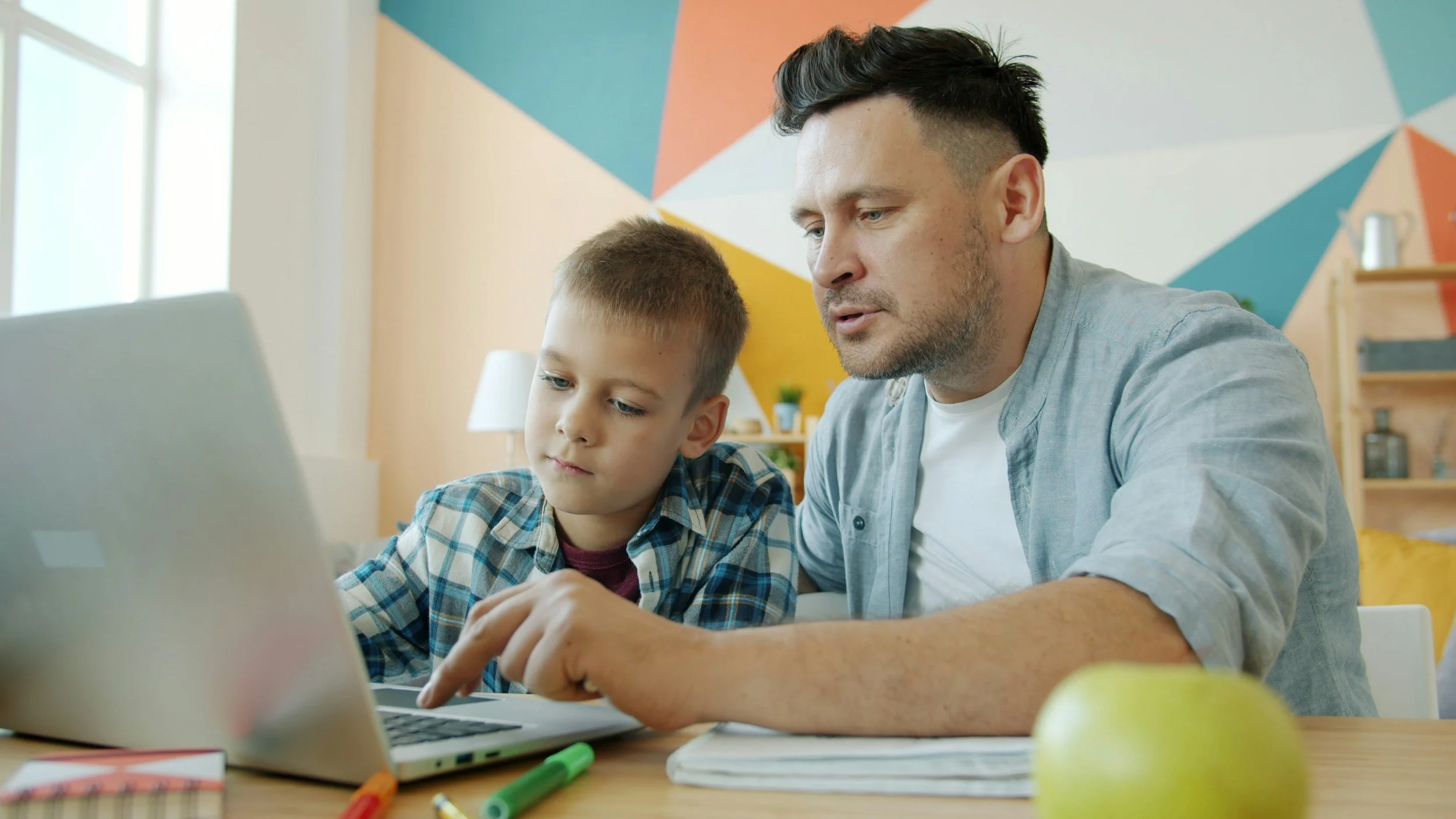
A predictable home is vital for the emotional, social and physical growth of a child. Fathers provide this balance through daily presence, parenting choices and reliable assistance. Minor children are more resilient when they have a guardian who is dependable during obstacles or periods of transition. Establishing a firm environment is more than a financial obligation - it is the creation of a secure residence, the maintenance of healthy interactions, the use of routines and the display of constructive habits. When a father is active in the lives of his offspring, he builds a basis that helps them become self assured and accountable adults.
Establishing Constant Household Schedules
Children are more comfortable when daily events are predictable because structure helps them understand upcoming tasks. Fathers are helpful when they set specific times for meals, schoolwork, sleep and play. Regular schedules are a tool for children to manage obligations while ensuring they have time to rest. If a child understands what is expected, they are able to improve their own organization and handle personal duties. A father is responsible for informing the family about schedule changes so the young members have time to prepare.
Consistency is also the act of upholding household rules - Fathers are encouraged to set fair limits that are appropriate for the age and specific requirements of the child. Rules for technology use, chores and behavior are most effective when they are clear and applied without bias. If expectations are steady, a child gains a better grasp of accountability and the results of their actions. It is helpful when parents discuss these rules together to prevent contradictory instructions that cause uncertainty.
Providing Emotional Care & Certainty
Emotional certainty is a central part of an even childhood. A father is able to strengthen this feeling - being available to hear concerns, offer praise and talk about difficult events. As they age, children often face obstacles with peers, academic results or personal doubts. A father who treats these worries with seriousness makes it simpler for a child to share feelings instead of hiding them. It is polite to create space for regular talk without forcing a child to speak before they are ready.
Displays of kindness and reassurance are also ways to help a child develop a healthy view of themselves. Simple acts, like spending time together or recognizing a personal success, show a child they are valued. A father is most effective when his affection is not dependent on high grades, sports wins or perfect behavior. Children must know that errors or failures do not change their status in the family. When a father is patient during hard times, he creates a space where a child is comfortable learning from a mistake.
Creating a Secure & Helpful Home
A steady environment is one where a child is physically safe. Fathers are helpful when they maintain the house, fix hazards and set safety rules - this task includes teaching the family about household dangers, internet safety and personal space as children gain independence. It is also important to monitor the mood in the home. Frequent shouting or volatile behavior can make a child feel worried. A father is encouraged to handle disagreements calmly and use polite speech even when he is under stress.
Managing money is another way to make a home feel secure - Fathers are responsible for tracking costs, prioritizing food and shelter, considering term life insurance Canada as part of protecting their dependents financially and saving for emergencies. A sensible budget reduces worry and ensures that a child has healthy food, clothing and school supplies. Even if income changes, showing careful habits with money helps a child learn to be responsible. Stability is the result of wise choices with current tools rather than the pursuit of expensive items.
Being a Positive Example
Younger family members learn - watching the adults in the house. A father helps his child grow - being honest, patient and respectful. For instance, a father who admits to a mistake shows that being accountable is a part of maturity. It is beneficial for a father to model calm ways to handle anger or disappointment - these daily actions are the templates a child uses for their own relationships and problems later in life.
Interest in a child's hobbies and schooling is another way for a father to show support. Attending school plays, helping with math or playing games together strengthens the bond. Because every child has unique talents, a father is most helpful when he encourages individual growth instead of demanding specific results. Helping a child pursue their own goals builds confidence. Regular presence also allows a father to see a problem early and offer help.
Maintaining Healthy Family Ties
Family bonds are a major part of a child's sense of peace - A father is encouraged to be respectful toward his partner or co parent. When a conflict happens, adults are responsible for keeping the children out of the argument. If parents do not live together, steady communication and reliable visitation help a child feel cared for in both houses. A father is most effective when the well being of the child is the primary focus of family decisions.
Connecting with grandparents, cousins and neighbors provides a child with more sources of help - these relatives and friends are often positive influences. A father is able to foster the links while staying closely involved himself. A reliable network of people is a resource during hard times and gives a child different points of view as they grow up.
Conclusion
Creating an even life for a child is a process of constant effort and thoughtful action. A father is a transformative figure when he provides emotional care, sets schedules, keeps a home safe and acts as a good example. His presence in school and family life helps a child become independent. Although every family has different resources, a father is able to build a strong foundation through his daily choices - these actions ensure a child feels safe and is ready for the duties of adulthood.
