
The First Five Years Are Louder Than You Think: What Dads Should Know About Early Learning Environments
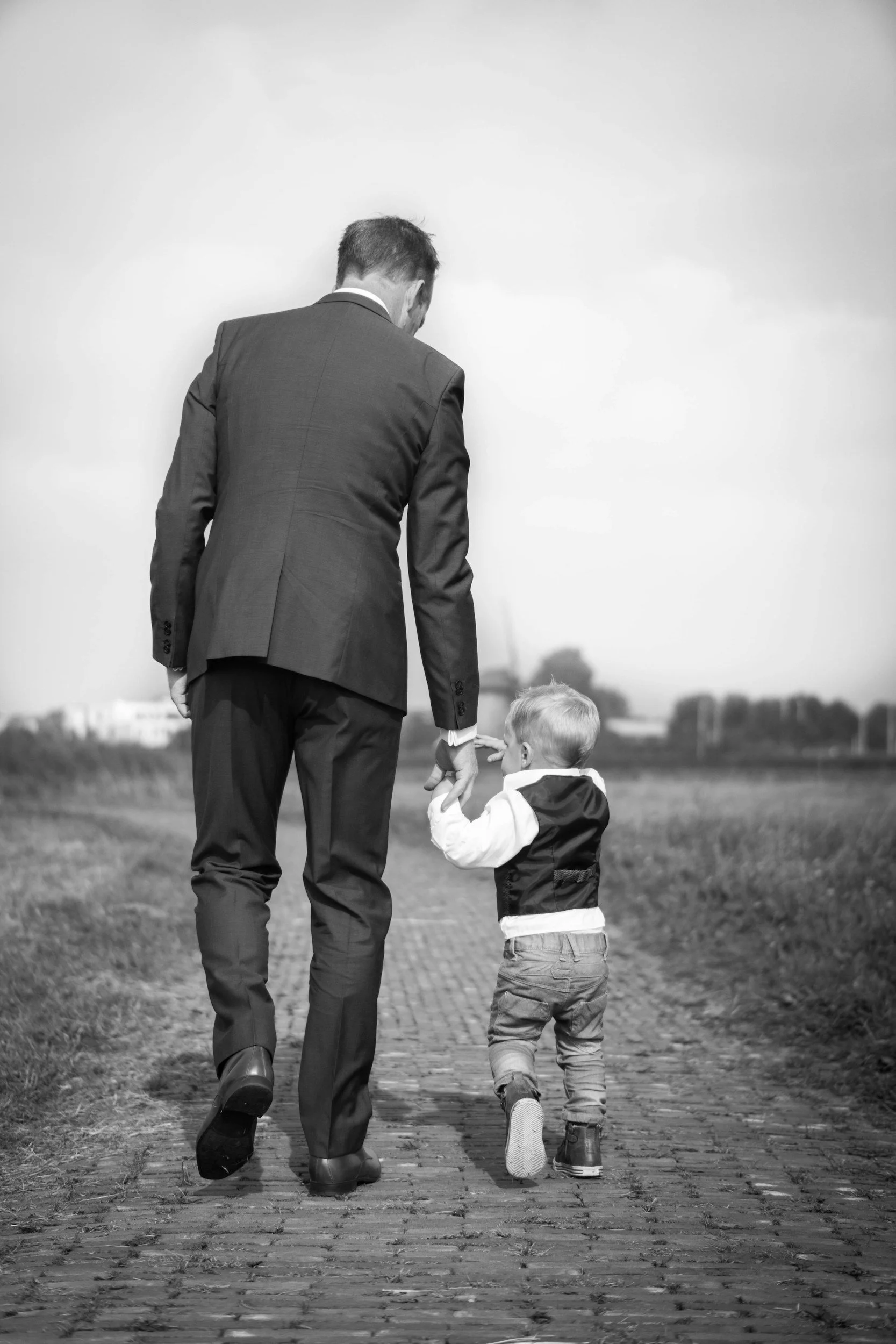
When dads picture early childhood, they picture the obvious stuff. Sleep schedules. Nutrition. That first wobbly walk across the living room.
The learning part feels like it comes later, once school starts and homework shows up on the kitchen table.
But the wiring is happening now, fast and mostly out of sight, long before any report card exists. The question isn't whether your toddler is learning. It's what kind of environment is shaping how they learn.
So what matters in those first five years?
The Window Is Smaller Than Most Parents Realize
The brain does most of its structural work early. According to Lurie Children's, roughly 90 percent of brain development is complete by age five, which makes those early years the foundation for long-term learning and lifelong success.
That's not a reason to panic, or to hothouse a two-year-old with flashcards. It's a reason to pay attention to the environment your child spends their days in. Rooms, routines, and the adults inside them all leave a mark.
Learning Doesn't Look Like School Yet
For a toddler, learning looks like pouring water between two cups, buttoning a coat, carrying a tray across the kitchen without spilling.
These aren't cute time-fillers. They're the reps that build attention, coordination, and self-regulation.
A good early environment respects that. It gives kids real tasks with real feedback, and enough time to work through the friction before an adult swoops in to finish the job.
What The Research Actually Shows
One approach that has held up in careful studies is Montessori. A national randomized study out of the University of Virginia followed 588 children from age three through kindergarten across 24 public Montessori schools. Kids offered a Montessori seat scored higher in reading, memory, executive function, and social understanding than peers in other programs.
Two things stand out. The gains showed up across academic and social measures, not just test scores. And they came from a model that treats the child as capable, not as an empty container waiting to be filled.
What To Look For In An Early Learning Setting
You don't need a philosophy degree to evaluate a program. A few practical signals go a long way.
Prepared spaces. Materials sit at child height, in order, and invite hands-on use. Clutter and chaos are red flags.
Long work periods. Kids get uninterrupted stretches to focus, not a rotation of five-minute activities.
Mixed ages. Younger kids learn by watching. Older kids consolidate skills by teaching.
Calm adults. Teachers who observe more than they direct. The room shouldn't feel like a performance.
Real materials. Glass, wood, water, and small tools, used carefully. Plastic buttons that beep don't build the same skills.
The Dad Angle Nobody Talks About
Dads often get pulled into the fun-parent role: wrestling, tickle fights, weekend adventures. Great stuff. But it can leave the slower developmental work to someone else.
The daily rhythms matter too. Let your kid pour their own milk, even when it takes twice as long. Wait through the tantrum instead of solving it. Read the same book for the eleventh time.
These small choices compound into the same skills a strong classroom is building.
If you're weighing programs in your area, visit in person and watch a full morning. Families in the Bay Area often start their search with places like Montessori West, but the point isn't the brand on the sign. The point is whether the environment respects your kid's capacity to figure things out.
Trust what you see, not what the brochure says. Your kid's first five years are already writing the code they'll run for a long time.
