
What Makes a Home Feel Less Stressful for Busy Parents?

Busy parents spend a significant part of every day managing schedules, preparing meals, helping with homework, and keeping the household running. While no home can eliminate every source of stress, thoughtful design choices can make everyday routines smoother and more enjoyable.
Creating a calmer home isn't about expensive renovations or perfectly styled rooms. Instead, it's about designing spaces that support the way families actually live. Small improvements in organization, comfort, and technology often have the biggest impact on reducing daily frustration.
Choose a Layout That Simplifies Everyday Life
A home's layout influences nearly every daily routine. Easy movement between the kitchen, living areas, bedrooms, and entryways saves time while reducing unnecessary clutter and distractions.
Many modern residential developments are designed with this type of functionality in mind. Communities featuring homes like https://www.urbnlivn.com/bellevue-condos/mira-flats/ emphasize efficient floor plans, open living spaces, practical storage, and flexible rooms that adapt to changing family needs. Well-designed layouts help parents supervise children more easily while allowing everyone to share common spaces without feeling crowded.
When a home's design naturally supports everyday routines, families spend less time working around the space and more time enjoying it.
Reduce Daily Decisions Through Smart Home Automation
Parents make hundreds of decisions every day, so removing even a few repetitive tasks can make a noticeable difference.
Smart lighting, automated schedules, and connected climate controls reduce the number of household adjustments that need constant attention. Rather than remembering to change temperatures throughout the day, homeowners can automate heating and cooling based on daily routines or control them remotely.
Solutions from https://getmysa.com/ allow homeowners to create schedules, adjust temperatures from anywhere, share access with family members, and monitor energy usage through a single app. The system also integrates with popular smart home platforms, helping automate everyday comfort while reducing unnecessary energy use.
Automation doesn't replace good routines, but it helps eliminate many of the small tasks that compete for parents' attention.
Design Spaces That Are Easy to Maintain
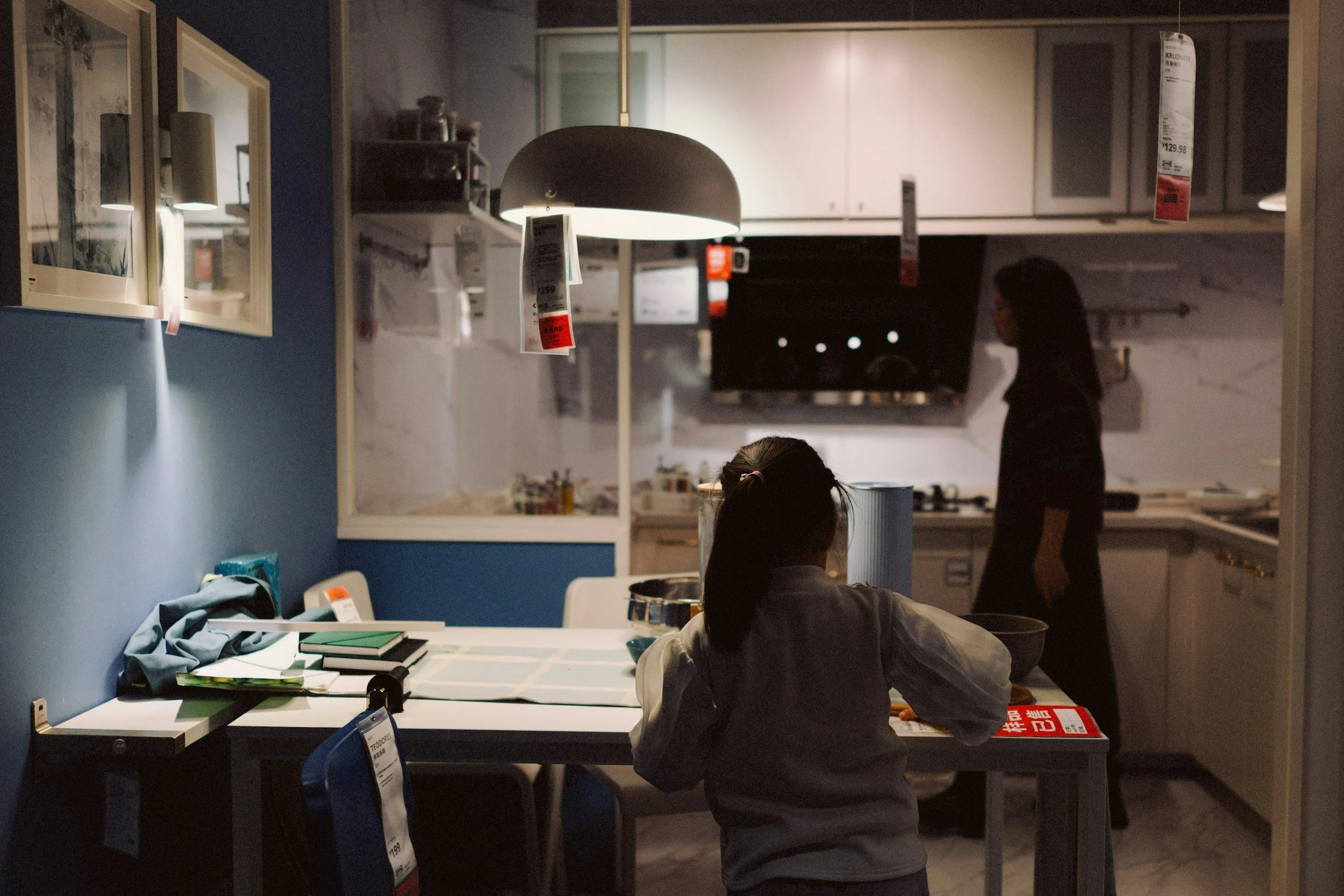
Beautiful rooms quickly become stressful if they require constant upkeep.
Choosing durable flooring, washable fabrics, practical storage solutions, and easy-to-clean finishes makes everyday maintenance much simpler. Entryway storage for shoes, backpacks, and coats helps prevent clutter from spreading throughout the house, while accessible toy storage encourages children to participate in cleanup.
Instead of filling every room with decorative items, focus on pieces that serve both practical and aesthetic purposes. A home that's easier to maintain naturally feels calmer because fewer chores compete with family time.
Create Quiet Areas for Everyone
Families benefit from shared spaces, but they also need places to recharge individually.
A comfortable reading corner, a small home office, or even a quiet chair near a window can provide valuable moments of privacy during busy days. Children also benefit from having designated homework or creative spaces that remain relatively free from distractions.
These quiet areas don't need to be large. Even small zones designed with intention can help reduce overstimulation and improve focus.
The goal isn't separation but balance, providing opportunities for everyone to step away briefly before returning to shared family activities.
Prioritize Comfort Over Perfection
Many parents feel pressure to maintain magazine-worthy interiors, but the most relaxing homes rarely look untouched.
Comfortable furniture, warm lighting, functional storage, and flexible spaces often contribute more to family well-being than perfectly coordinated décor. Rooms should support everyday living rather than discourage it.
As children grow and routines change, homes should evolve alongside them. Rearranging furniture, updating storage systems, or introducing new technology can improve daily life without requiring major renovations.
Ultimately, a less stressful home is one that works with a family's routines instead of against them. Thoughtful layouts, smart automation, manageable maintenance, and flexible living spaces create an environment where parents can spend less time solving household problems and more time enjoying life with their families.
