
Why Active Dads Should Know About Physiotherapy and Chiropractic Care
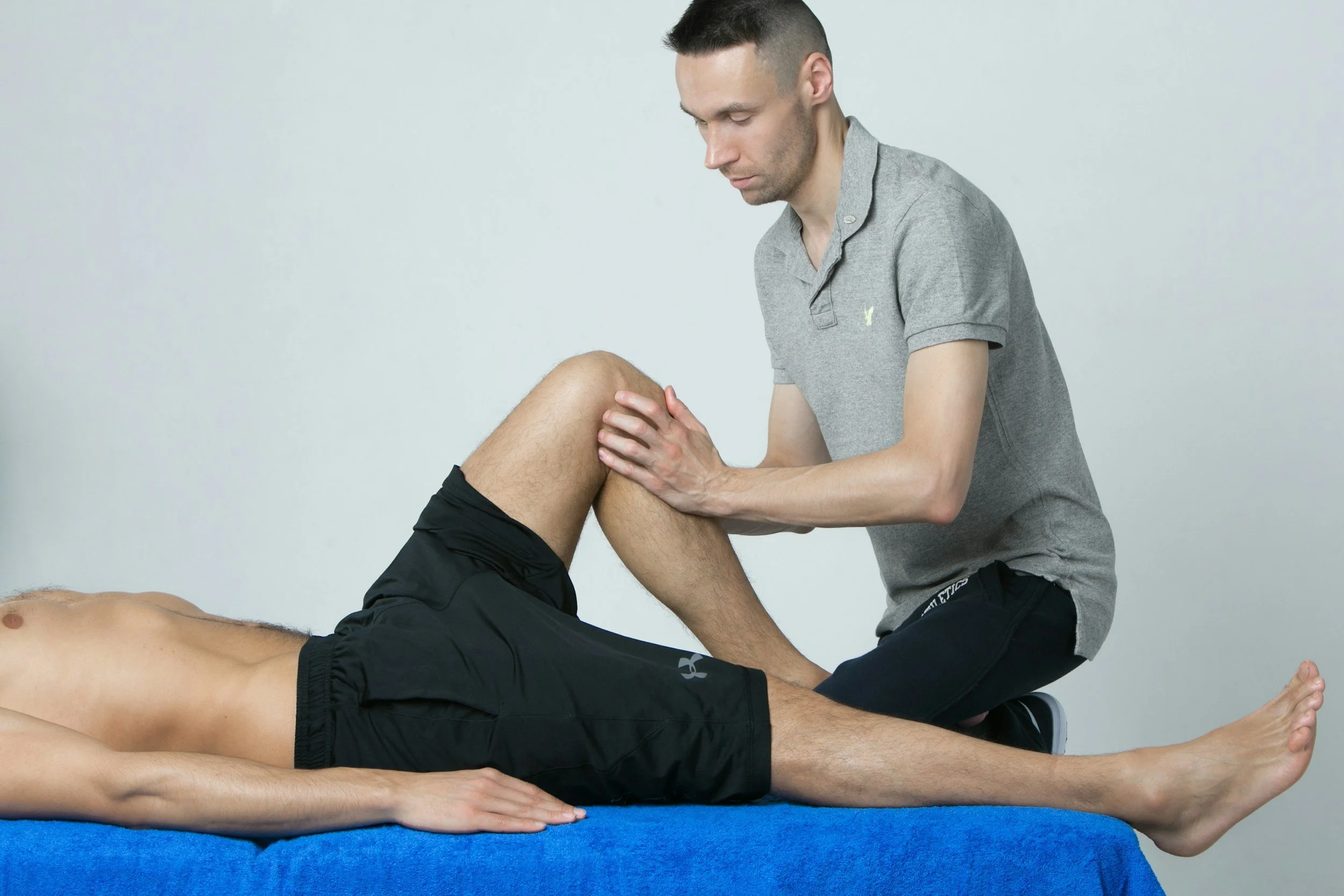
There is a particular kind of stubbornness that shows up in a lot of dads. The sore knee gets ignored for months. The stiff lower back gets blamed on the mattress. The shoulder that aches after throwing a ball with the kids gets quietly managed with ibuprofen until it becomes impossible to ignore. Sound familiar?
The problem is not the toughness. The problem is that ignoring the body's signals long enough usually means a much longer road back. What starts as a manageable ache can become a recurring injury that keeps you off the field, out of the gym, and sitting on the sidelines at events you actually want to be present for.
This is exactly where physiotherapy and chiropractic care come in, not as last resort after something goes seriously wrong, but as genuine tools for staying physically capable, reducing pain, and keeping up with the demands of an active life with kids.
The Body Changes, and That Is Not a Weakness
Somewhere in the late thirties and forties, the body starts asking for a little more. Recovery from a hard workout takes an extra day. Sitting at a desk for eight hours leaves the hips tighter than they used to be. An old ankle injury that healed years ago starts making itself known again when the weekend gets physical.
These changes are not signs that something is broken. They are signs that the body's physical demands need more intentional management. Muscle mass naturally declines without consistent resistance training. Tendons and ligaments lose a degree of elasticity over time. Joint mobility that was once effortless can become restricted through years of sedentary habits, desk work, or previous injuries that were never fully rehabilitated.
Understanding this is actually empowering. These are not irreversible problems. They are physical patterns that can be addressed, improved, and in many cases substantially reversed with the right approach.
What Physiotherapy Actually Does
Physiotherapy is a lot more than the exercises you are handed on a printed sheet after a sports injury. A good physiotherapist assesses how you actually move, not just where it hurts. They look at strength imbalances, restricted range of motion, how you load joints during everyday movements, and what compensations your body has quietly built up over the years.
From that assessment, a treatment plan is built around you specifically. That might include manual therapy to address joint stiffness or soft tissue tightness, a progressive strengthening program to build support around vulnerable areas, movement retraining to fix patterns that are quietly overloading the wrong structures, and education so that you understand what is happening and what you should and should not be doing between sessions.
The evidence base for physiotherapy across musculoskeletal conditions is strong. According to the American Physical Therapy Association, physical therapy has been shown to be effective for a wide range of conditions including lower back pain, knee pain, shoulder injuries, and post-surgical rehabilitation, often producing better long-term outcomes than passive approaches like medication alone.
For active dads, physiotherapy can also be genuinely proactive. It is not only about fixing what is broken. It is about identifying the weak links before they become injuries, building the physical resilience needed to keep up with kids, and making sure that the activities you enjoy stay accessible for decades, not just seasons.
The team at Medical Grade Physiotherapy and Wellness in Burlington, for example, works with people at all stages, from managing a nagging injury to building a long-term movement foundation, with programs tailored to individual goals rather than generic protocols.
The Common Problems That Hold Active Dads Back
A few musculoskeletal issues come up repeatedly among men who are trying to stay active while managing busy lives.
Lower back pain is probably the most common. It can come from years of sitting, from lifting improperly, from muscle imbalances around the hips and core, or from disc-related changes that are more common as we age. The instinct to rest until it resolves often works for acute episodes, but recurring or persistent lower back pain almost always benefits from professional assessment rather than waiting it out.
Knee pain, particularly around the kneecap or in the tendons below it, is extremely common in men who run, cycle, or play recreational sports. Tendinopathy responds poorly to rest alone and well to progressive loading, which is something a physiotherapist can guide precisely.
Shoulder pain that develops gradually through sport, gym training, or repetitive work tasks is frequently related to rotator cuff weakness, restricted thoracic mobility, or movement patterns that place excessive load on the shoulder joint. Addressing these mechanics early prevents the kind of structural damage that requires surgery.
Hip tightness and pain accumulated through years of desk work often underlies both back and knee problems. Restoring hip mobility and building strength around the joint can have a cascading positive effect on how the entire lower body functions.
Where Chiropractic Care Fits In
Chiropractic care occupies a different but complementary space. Where physiotherapy focuses heavily on progressive exercise, rehabilitation, and restoring functional movement, chiropractic assessment and treatment addresses joint mechanics and spinal alignment, using manual techniques to restore mobility in restricted joints, reduce pain, and support overall musculoskeletal function.
For many active adults, the two approaches work well alongside each other. A physiotherapist rebuilds the strength and movement patterns that protect the spine and joints. A chiropractor addresses the mechanical restrictions that can inhibit those patterns in the first place. This is particularly relevant for people dealing with spinal pain, recurring joint stiffness, or conditions where joint mobility is a primary limiting factor.
The research on chiropractic care is positive for certain presentations, particularly spinal manipulation for lower back pain and neck pain. The Cochrane Library, which publishes systematic reviews of healthcare evidence, has found that spinal manipulation produces clinically meaningful improvements in pain and function for people with acute and chronic lower back pain compared to other active treatments.
If you are in the Burlington area and considering both options, exploring chiropractic care in Burlington alongside physiotherapy can give you access to a broader set of treatment tools depending on what your body actually needs.
Building a Body That Keeps Up With Dad Life
There is a specific physical profile that active fatherhood demands. You need to be strong enough to lift, carry, and play. Mobile enough to sit on the floor, get up quickly, and move in unpredictable directions. Resilient enough to absorb weekend activity without a week of recovery. And durable enough to maintain all of this not just this year but for the next twenty or thirty.
That kind of physical capacity does not happen by accident after forty. It requires some intentionality, and it benefits enormously from professional guidance on movement quality, strength programming, and injury management.
A few principles that physiotherapy consistently reinforces are worth taking seriously on their own.
Strength training is non-negotiable. The loss of muscle mass with age is real but largely preventable with consistent resistance training. Two to three sessions per week of compound, functional movements, things like squats, hinges, rows, and carries, builds the muscular foundation that protects joints and powers daily life.
Mobility work is not just for flexibility. Joint mobility directly affects how safely and efficiently you can load your body. Restricted hips mean the lower back compensates. Restricted thoracic spine means the shoulders compensate. Ten minutes of targeted mobility work daily can change the mechanics of how you move throughout the day.
Pain is a signal, not a schedule. Pain that persists beyond two to three weeks, worsens with activity, or keeps recurring in the same area deserves professional attention rather than another round of rest-and-hope. Early intervention almost always means a shorter and more complete recovery.
Recovery is part of the program, not an afterthought. Sleep, adequate protein, and appropriate rest between high-demand sessions are not optional extras. They are the mechanism through which physical adaptation actually occurs.
When to Stop Managing It Yourself
Most active people have a reasonably good sense of when something minor is working itself out and when it is not. The questions worth asking honestly are these: Has this been present for more than a few weeks without meaningful improvement? Does it keep coming back despite rest? Is it starting to affect what you can do with your kids or at the gym? Have you been quietly adjusting your movement to avoid it?
If the answer to any of those is yes, it is time to get it properly assessed rather than continuing to manage around it. The value of professional assessment is not just treatment. It is understanding what is actually happening, which allows you to make informed decisions about what to do, what to avoid, and what a realistic timeline looks like.
The goal, after all, is not just to get through this season. It is to stay capable, active, and present for the long run.
