
Why Clean Home Air Is the Ultimate Sleep Hack for Kids
Every parent wants their children to get a full night of deep rest. Bedtime routines often include stories, warm milk, and soft pillows, but many families overlook the air quality in the bedroom.
Invisible irritants floating in your house can disrupt deep sleep cycles without your knowledge. Fixing your indoor atmosphere can transform how well your little ones sleep every single night.
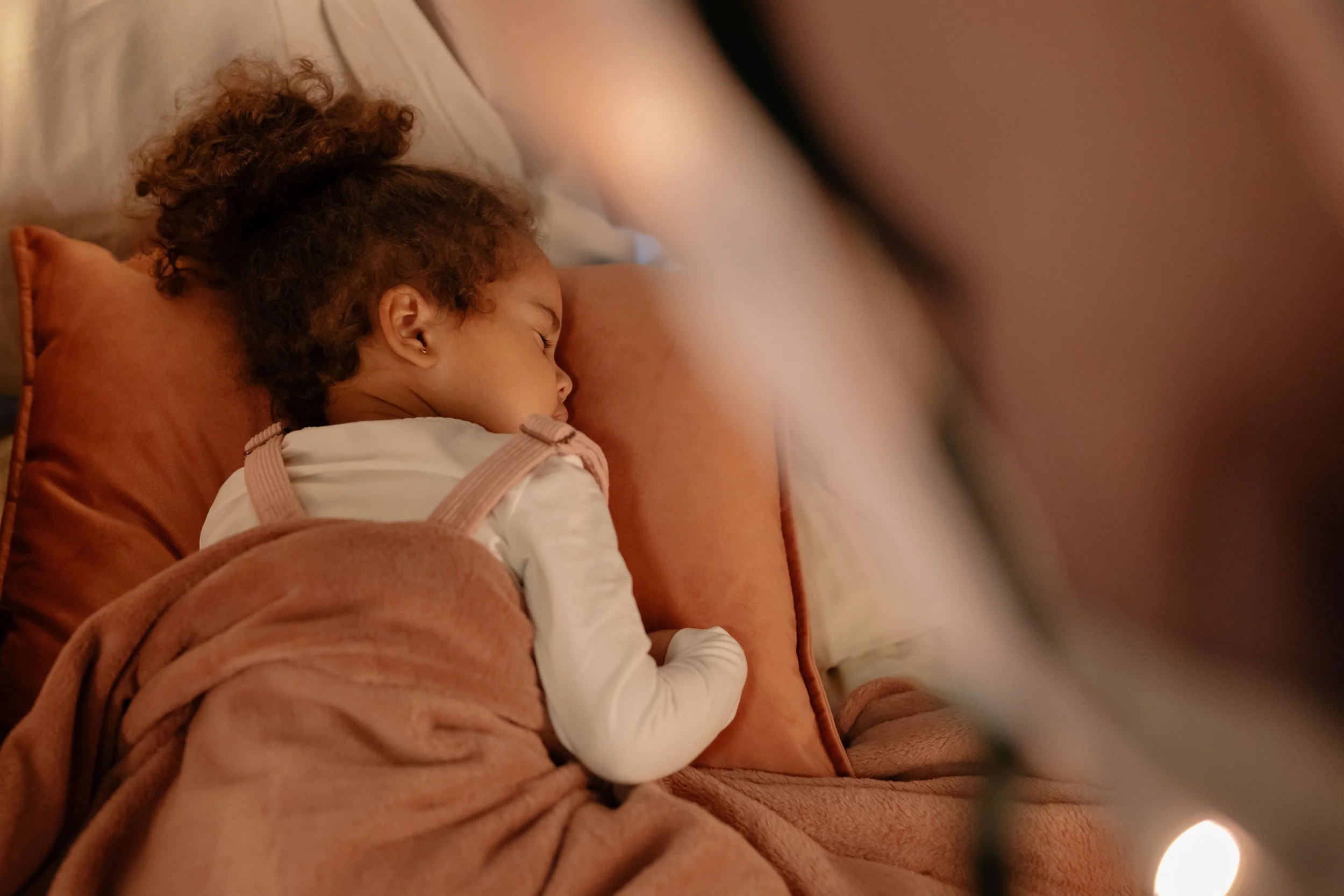
Understanding Bedtime Breathing
Young children breathe faster than adults, meaning they take in more pollutants throughout the night. Small lungs are highly sensitive to microscopic dust particles and floating pet dander. Airborne particles trigger subtle breathing issues that cause frequent nighttime wakeups.
Getting a local professional to look at your ventilation system makes a massive difference. Calling a reliable HVAC company Kirkland, for example, can help you identify hidden pollutants hiding in your ductwork right away. Clean duct systems keep your indoor atmosphere fresh so your children can rest easily.
When your home filtration works perfectly, fewer micro-particles enter your child's airway. Lowering the particle count allows their bodies to relax completely into deep REM cycles. Sleep quality improves immediately when breathing requires less physical effort.
The National Outdoor Threat Infiltrating Indoor Spaces
Outdoor pollution frequently slips indoors through open windows, doors, and foundation gaps. Many families assume staying inside keeps their kids safe from heavy city smog. The assumption ignores how easily exterior air quality affects your nursery rooms.
A national report by a major lung health organization revealed that 46% of Americans under 18 live in areas with failing air grades. Since nearly 33.5 million children face high outdoor pollution levels, indoor spaces need extra defense. Securing your house against external factors becomes a critical safety measure.
Standard home construction cannot completely block ambient particles from creeping into bedrooms. Heavy contaminants settle near the floor where toddlers crawl and sleep. High-quality air purification systems counteract the constant flow of outdoor pollution.
Air Quality Impacts On Sleep Conditions
Children dealing with existing respiratory conditions face the hardest challenges during the night. Congestion turns simple breathing into a strenuous workout that interrupts deep sleep. Poor indoor air aggravates the issues, causing snoring and tossing.
A medical review tracking pediatric sleep health showed that common gaseous pollutants lower the quality of life for children with sleep apnea. High heat waves combined with air irritants make nocturnal breathing incredibly difficult for vulnerable youth. Parents can alleviate some of the physical strain by keeping interior air pristine.
Lowering environmental triggers helps stabilize your child's breathing patterns throughout the night. Steady respiration prevents micro-arousals that leave children feeling exhausted the next morning. Clean air acts as a silent helper for long, uninterrupted rest.
Simple Steps To Purify Nursery Air
Improving your indoor environment does not require a complete architectural overhaul. Small, consistent changes can dramatically reduce the presence of airborne irritants in a bedroom. Implementing a few targeted habits creates a much safer sleeping sanctuary.
Focusing on a few key areas helps eliminate common bedroom contaminants. You can achieve cleaner air by following some straightforward steps:
Vacuum carpets twice a week with a certified HEPA filter model.
Wash bedding weekly in hot water to remove microscopic dust mites.
Keep household pets entirely out of your child's sleep space.
Regular maintenance prevents dirt accumulation before it affects your child's lungs. Consistency is the main secret to keeping air fresh over long periods.
Holistic Management For Better Pediatric Air
Controlling indoor air requires a strategy that looks at multiple factors simultaneously. Relying on a single air purifier often falls short if other pollution sources remain active. A complete approach addresses everything from humidity levels to ventilation systems.
A pediatric review suggested that managing indoor air requires combining proper ventilation, strong filtration, and moisture control. Controlling the direct sources of pollution prevents harmful particles from accumulating in children's spaces. Balancing the elements keeps bedroom conditions ideal for growing bodies.
Proper humidity control stops mold growth before spores can launch into the breathing zone. Combining filtration with fresh airflow creates a balanced environment where children sleep peacefully. Comprehensive care shields young respiratory systems from daily wear and tear.
The Long-Term Benefits Of Fresh Air
Better nighttime air provides advantages that extend far past a single good night. Children who sleep soundly wake up refreshed, focused, and ready for school challenges. Their bodies heal and grow strongest during those hours of undisturbed deep sleep.
Reducing nighttime allergen exposure limits morning grogginess and chronic airway irritation. Kids experience fewer sick days when their sleeping environments protect their immune health. Investing effort into air quality pays continuous dividends in childhood development.
Parents notice fewer mood swings and improved behavior when children rest well. Creating a clean environment gives your household a reliable foundation for daily success. A fresh bedroom serves as the ultimate tool for family wellness.

Prioritizing the air your children breathe tonight sets them up for a healthier tomorrow. Small adjustments to your ventilation and filtration can remove deep sleep barriers completely.
Transforming your home into a clean-air sanctuary is an effective way to support your family's growth. Your little ones will enjoy the deep, restorative sleep they truly need.
