
Why Dads Should Grow a Vegetable Garden (And What Keeps Stopping Them)
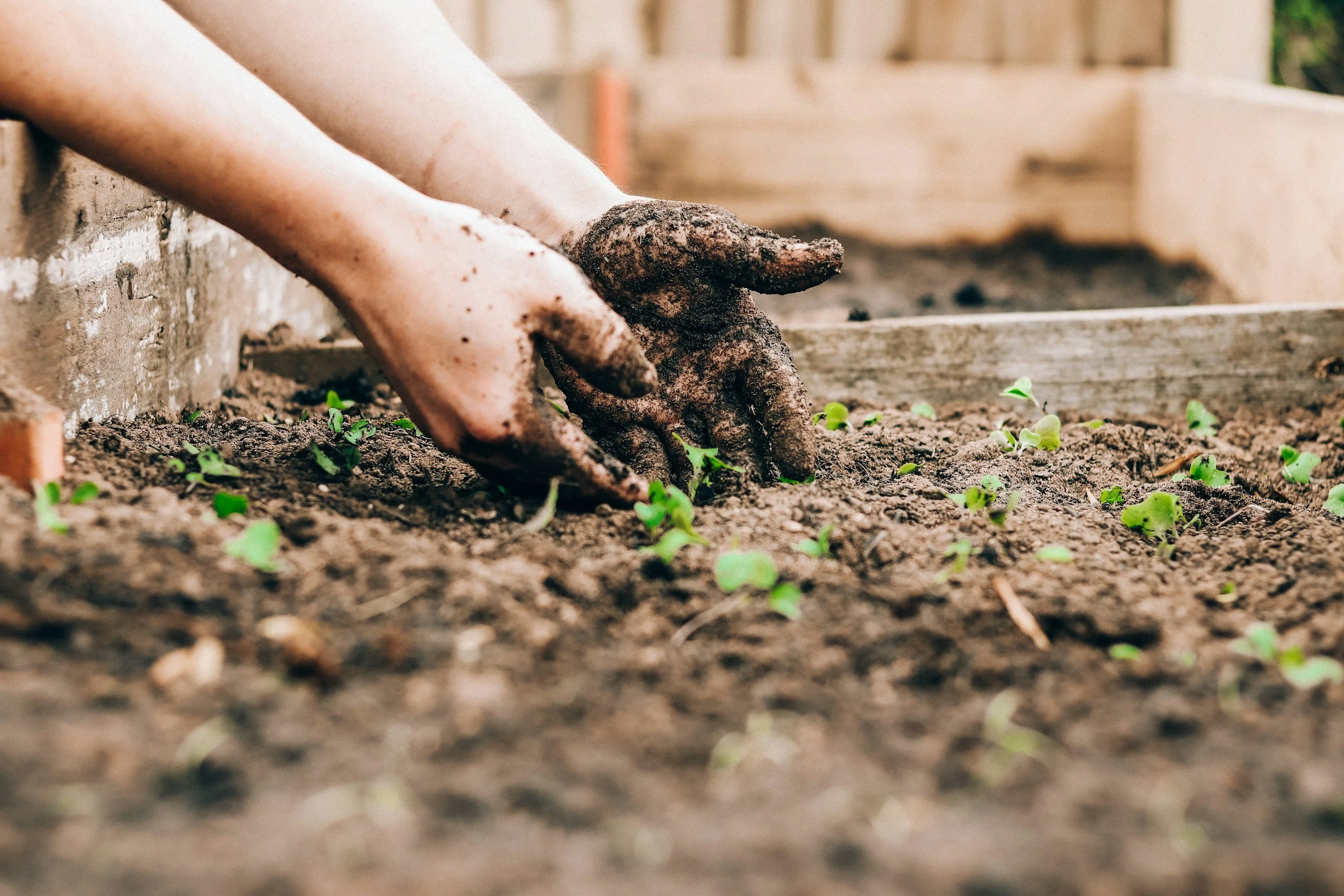
A backyard vegetable garden sits on a lot of dads’ mental to-do lists for years without ever becoming an actual project. The idea is appealing enough — fresh food, time outside, something to do with kids that isn’t a screen — but the execution keeps getting deferred. Part of that is legitimate time scarcity. Part of it is not knowing where to start. And part of it, for anyone who has tried and failed, is deer.
Those three obstacles have different solutions, but they share a common feature: none of them is actually that hard to solve once you understand what you’re dealing with. The case for growing food at home is strong enough that it’s worth working through what stands in the way, starting with why the garden is worth the effort in the first place.
The Case Is Stronger Than Most Dads Realize
The obvious argument for a vegetable garden is fresh produce. The less obvious argument is what it does specifically for kids. Research from Saint Louis University, published in the Journal of the American Dietetic Association, found that preschool children served homegrown fruits and vegetables were twice as likely to eat five servings a day compared to children who rarely or never ate food from a home garden. They also preferred the taste of fresh produce over other foods. A systematic review of 14 studies published between 2005 and 2015 found that 10 of them reported statistically significant increases in children’s fruit and vegetable intake after participating in gardening programs. The mechanism isn’t complicated: kids eat what they’ve grown because they have a relationship with it.
There’s also a quality argument that fits squarely in the non-toxic living lane. The concern about pesticide residues in store-bought produce is well-documented — organophosphates and other agricultural chemicals have been linked to neurological damage, endocrine disruption, and cancer risk, with children particularly vulnerable due to their higher exposure per pound of body weight. A backyard garden grown without synthetic pesticides eliminates that exposure at the source. You know exactly what was and wasn’t applied, because you’re the one applying it.
Beyond nutrition, there’s the activity component. Gardening involves sustained moderate-intensity physical work — digging, hauling, planting, weeding — done outdoors and often alongside kids. For dads who have thought about growing food at home but haven’t taken the outdoor step yet, a garden plot is the natural extension: more produce variety, more physical involvement, and a project with a season-long payoff.
The Real Obstacles (And Which Ones Are Solvable)
Time and Setup Complexity
Most dad garden projects die in the planning phase because the scope feels undefined. The honest answer is that a small, well-chosen garden is significantly less work than a large, ambitious one, and produces better results. Starting with a 4x8 raised bed, four to six vegetable types, and a basic drip irrigation timer eliminates the two biggest time sinks: watering and weeding. The bed can be built in a weekend, planted in an afternoon, and harvested across a summer with roughly an hour of maintenance a week once it’s established. That’s a defensible time commitment even for a dad with a full schedule.
The returns scale up from there if you want them to. But the minimum effective version — a bed with tomatoes, zucchini, peppers, herbs, and maybe some beans — is achievable for anyone with a few square feet of sun exposure and a water source within reach.
Knowing What to Plant
The easiest path for a first-year garden is to plant what your family already eats. Cherry tomatoes, bell peppers, cucumbers, and zucchini are all forgiving, productive, and eaten by most kids with minimal persuasion. Herbs — basil, parsley, mint — are low-maintenance and high-yielding relative to their footprint. Avoid starting with vegetables your family never uses, no matter how well-suited they are to your climate. The measure of a successful first garden is one that gets used, not one that wins an agronomic competition.
Deer: The Obstacle Most Dads Don’t Plan For
For a large and growing share of suburban and exurban homes, deer are the single biggest reason vegetable gardens fail. White-tailed deer populations in the US have expanded dramatically alongside residential development, and they’ve adapted readily to suburban environments. University of Minnesota Extension research documents year-round browsing pressure on home gardens, with damage peaking in spring when new growth is most tender, and deer are most nutritionally stressed after winter. A single overnight visit from a small group of deer can strip a garden bed that took weeks to establish.
What makes deer particularly frustrating is that most of the commonly recommended deterrents don’t hold up over time. Scent-based repellents — predator urine, garlic spray, commercial products — work initially but require regular reapplication and lose effectiveness as deer habituate to them. Motion-activated sprinklers and lights have the same limitation. Deer are adaptable animals, and a food source as reliable and nutrient-dense as a vegetable garden is worth the effort of learning to ignore minor irritants.
The only intervention with a consistent long-term track record is physical deer fencing tall enough to prevent jumping. White-tailed deer can clear around 8 feet vertically from a standing position, which sets the effective minimum fence height for reliable exclusion. Poly fencing works well for lower-pressure areas and smaller garden enclosures; metal welded wire or steel hex fencing holds up better under persistent deer pressure and in areas with larger herds. For a raised bed or small garden plot, an enclosed garden fence kit — a prefabricated structure covering the bed on all sides — is often the most practical solution: it goes up quickly, eliminates the variable of fence height, and removes the need for an entire perimeter installation.
The upfront cost of proper fencing is real, but it’s one-time. Scent repellents bought and reapplied across a full growing season often cost more, with worse results, than a fence that lasts a decade. If deer are present in your area — and for most of the US east of the Rockies, they are — planning for exclusion before you plant is considerably less painful than discovering the problem the morning after a successful deer visit.
Start Small, Protect It Properly, Actually Use It
The version of a vegetable garden that succeeds is almost always the same: small enough to manage without heroic effort, planted with things the family will eat, and protected against the wildlife pressure in your specific area. For most suburban dads, that means starting with a single raised bed rather than a full garden plot, choosing reliable producers that don’t require much intervention, and making the deer exclusion decision before the first seedling goes in rather than after the first damage.
The payoff isn’t just in the produce — it’s in the season-long engagement. Kids who check on their tomatoes every day, who pick their own cucumbers, who see exactly where food comes from, eat differently and think differently about food. That effect is documented and it’s substantial. But it only works if the garden survives the season, which means getting the infrastructure right from the start.
