
Why Early Autism Assessments Are Essential for Child Development
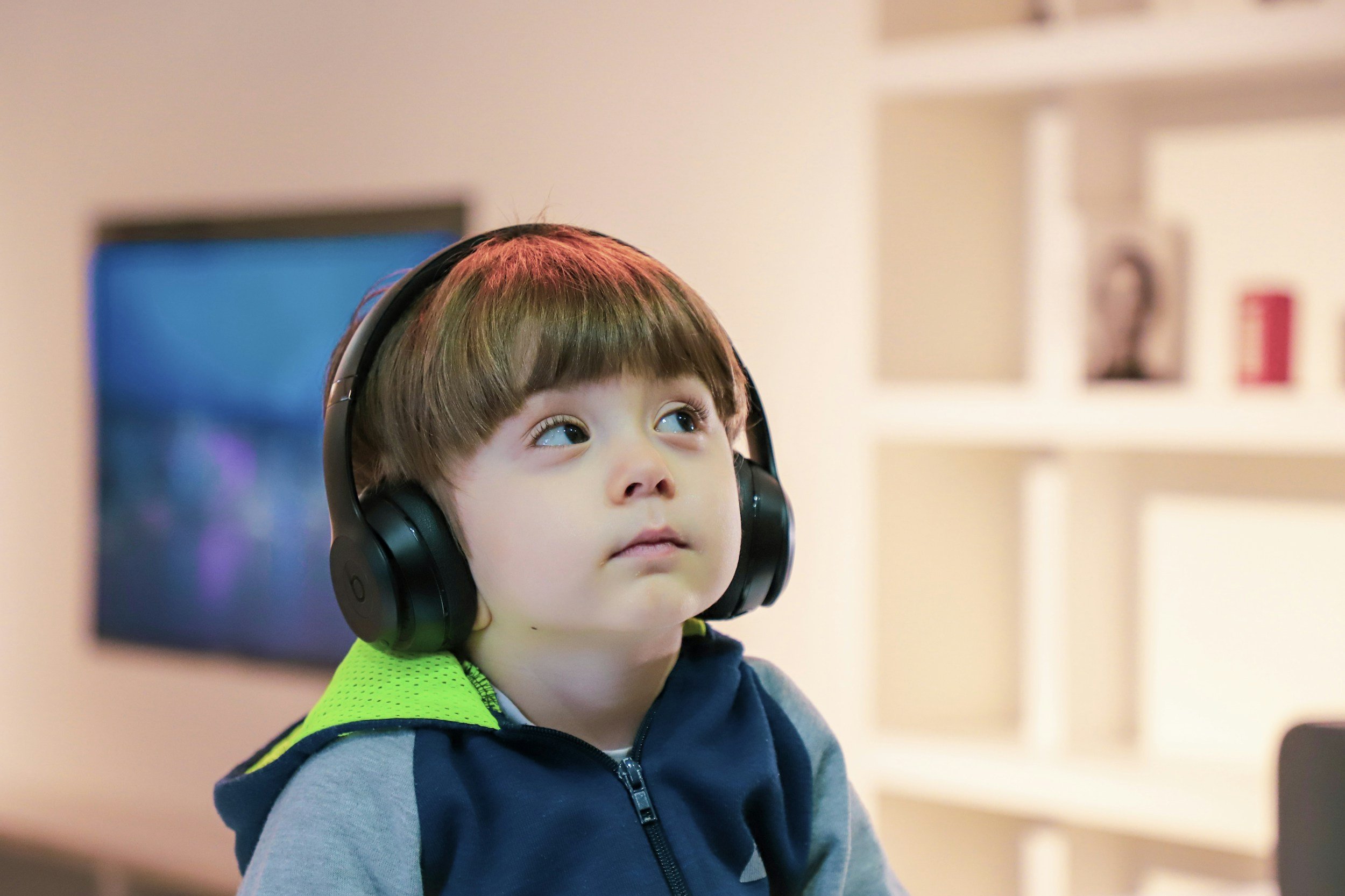
Early childhood brings rapid changes in language, attention, movement, and social connection. Small differences can carry important clinical meaning, especially when they affect daily routines. Some children stop using words, avoid shared play, repeat movements, or react strongly to sound and touch. Early autism assessments give families clear information during a period when the brain is highly responsive to support, practice, and consistent caregiving.
Why Is Early Evaluation Vital?
Families often request autism testing and evaluation in Arizona when speech, play, sensory response, or social reciprocity seems delayed. A clinician can compare developmental history, caregiver reports, direct observation, and age-based expectations. That process helps clarify whether differences reflect autism, another developmental concern, or a pattern that needs closer monitoring.
Children Develop Fast During Early Years
During the first years, neural pathways strengthen through repeated social, motor, and language experiences. One delayed skill can affect another. Limited imitation may slow speech practice. Poor joint attention can reduce shared learning. Early assessment helps identify these patterns before frustration becomes part of daily life. Support can then begin while routines remain flexible and easier to shape.
Signs Can Be Subtle
Autism does not present in a single way. A child may speak in full sentences yet miss facial cues or peer signals, while another may use a few words but solve visual tasks quickly. Some children line up toys, resist transitions, or seek pressure and movement. Caregivers who find themselves asking what is stimming? will find that these self-regulatory behaviors are often among the early indicators that prompt families to seek a formal evaluation. A formal evaluation looks across settings, which helps distinguish temporary variation from a consistent developmental profile.
Better Plans Need Data
Effective support depends on accurate clinical data. A child with sensory overload may need environmental changes before language work improves. Another may need help with transitions, peer play, or emotional regulation. Assessment results create baselines for goals, therapy planning, and later progress checks. Without those baselines, teams may guess rather than match care to need.
Parents Gain Clarity
Many caregivers notice differences long before a diagnosis is discussed. Mixed advice can make that period stressful. One person may suggest waiting, while another urges immediate therapy. An assessment provides families with shared language for strengths, delays, and daily stressors. It also reframes behavior. Meltdowns, avoidance, or repetition often reflect communication gaps, sensory load, or limited coping skills.
Schools Benefit Too
Teachers can use early findings to plan before classroom strain increases. A report may support visual schedules, communication tools, seating changes, sensory breaks, or peer interaction goals. Clear recommendations help educators set expectations that fit a child’s developmental level. When home and school use similar strategies, children receive fewer mixed signals and more predictable support.
Intervention Can Start Sooner
Early support may include speech therapy, occupational therapy, parent coaching, or behavioral treatment. The plan should reflect the child’s profile, not a generic checklist. Starting sooner can strengthen joint attention, expressive language, daily routines, and self-regulation. Progress may appear in small steps, such as easier transitions, clearer requests, or longer shared play.
Diagnosis Is Not a Limit
A diagnosis should describe needs, not restrict expectations. Many autistic children show strong memory, pattern recognition, visual learning, honesty, focus, or deep interest in preferred topics. Careful assessment documents both challenges and abilities. That balanced view helps adults offer support without overlooking competence. The goal is access, guidance, and respect for each child’s developmental path.
Waiting Has Its Disadvantages
Some families wait because they hope concerns will resolve. Development can change, and some skills do emerge later. Still, delayed evaluation may postpone therapy, school supports, or parent guidance during a sensitive learning period. Waiting can also increase stress at home. An assessment does not force a label. It provides timely information for better decisions.
Quality Matters
A strong assessment should be thorough, ethical, and developmentally appropriate. It should use recognized criteria, valid tools, caregiver input, and direct observation. Families deserve clear findings, plain explanations, and practical recommendations. Vague reports are hard to use. A useful evaluation helps parents, educators, and clinicians coordinate care with shared facts and measurable goals.
Conclusion
Early autism assessments help children receive support while communication, play, and regulation skills are still forming. They also help families move from worry to informed planning, with clearer direction for school and therapy. The purpose is not to rush judgment or create fear. The purpose is to identify needs early, protect strengths, and guide development with accuracy, compassion, and steady follow-through.
