
Why Every Parent Should Have a Dedicated Pediatrician for Their Child
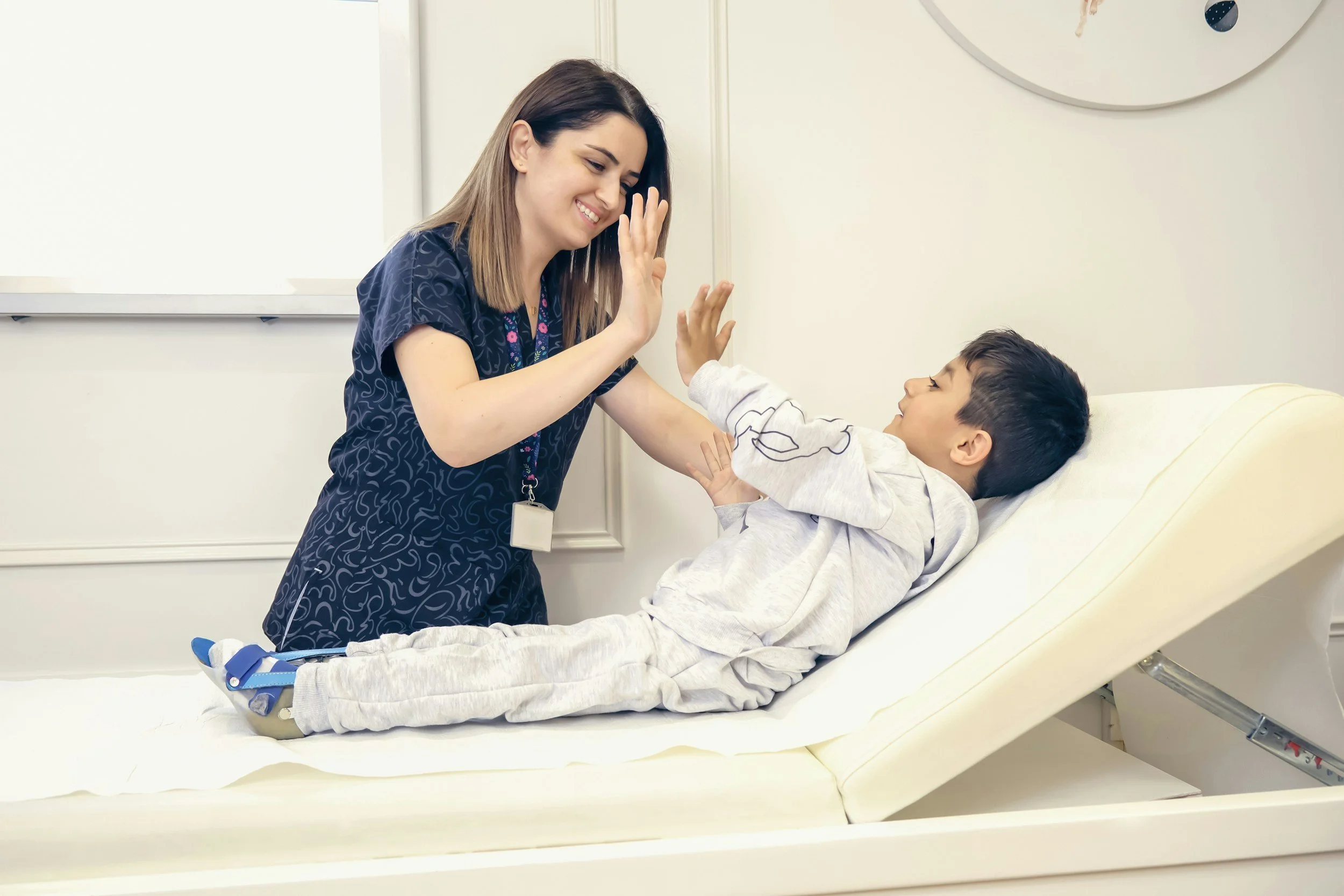
Parents face endless choices when raising a child. From selecting schools to choosing daily meals, every decision feels heavy. Finding a dedicated doctor shapes their entire development.
This choice provides a steady partner through every growth spurt and midnight fever. A consistent medical relationship offers peace of mind that random clinics cannot match. This continuity builds a safe environment where children thrive.
Tracking Growth Milestones Accurately
Children grow at an incredible pace during their first years. A dedicated provider tracks these changes across multiple visits. A regional health organization notes that children with regular pediatric check-ups are more likely to achieve developmental milestones on time.
These visits focus on physical growth alongside social progress. Your doctor gets to know your child's unique patterns.
Regular check-ups go smoother when parents prepare in advance:
Write down changes in sleeping or eating habits.
Track sudden shifts in mood or energy levels.
Note any new developments in family health history.
Consistent tracking offers a clear picture of health. It allows parents to raise questions in a comfortable setting.
Tracking changes over 5 years uncovers patterns that single visits miss. Your provider notes how children respond to school stress or physical shifts.
Parents gain a clear understanding of what to expect next. Proactive guidance replaces confusing online searches with trusted medical advice. Families move forward with confidence during every major transition.
Finding The Right Practice For Care
Finding a comfortable medical environment makes a major difference for young patients. Guidance commonly shared in pediatric care settings, such as those outlined by https://rexburgpediatrics.com/, highlights how familiarity with providers and a supportive clinic environment can help reduce anxiety during routine visits. Children often respond more positively when they feel safe and recognized in a care setting.
Trust builds over several years of continuous office visits. Parents can speak openly about behavioral concerns or family history.
Choosing a practice involves evaluating how the office handles patient calls and scheduling. A responsive clinic makes it simple to book appointments during busy months.
Friendly office staff and welcoming waiting rooms contribute to a positive experience. When children enjoy visiting the clinic, medical care becomes a normal part of life.
Catching Health Issues Early Through Surveillance
Early detection changes the path of many childhood conditions. A steady clinician notices subtle variations that an urgent care doctor might miss. These details come to light during routine wellness visits.
A California health publication reports that quality health surveillance and screening in a medical home serve as the key to detecting disabilities. Spotting these challenges early allows families to access therapies quickly. Early intervention leads to better outcomes for school-aged kids.
Regular monitoring provides safety for children facing physical or learning hurdles. Doctors use standardized tools to evaluate development at specific ages.
Implementing Screenings For Peace Of Mind
Annual evaluations include vision and hearing tests to support classroom success. Hidden sensory issues can mimic learning difficulties if left unchecked. Identifying these concerns early prevents academic frustration.
Clinicians frequently monitor mental health indicators as children grow into adolescents. Early interventions for anxiety or mood shifts protect teenage well-being. A trusted doctor provides a safe space for teens.
Navigating The Financial Impact Of Medical Costs
Healthcare expenses strain a household budget if left unmanaged. Dedicated pediatric care helps families organize these expenses through planned wellness schedules. Preventive visits lower the chances of emergency medical bills.
A medical evidence summary revealed that families of children with ADHD experienced a 48% lower relative risk of financial problems when utilizing a consistent medical home.
That same report highlighted a 36% lower relative risk of employment difficulties for those parents. A national pediatric association adds that continuous care models reduce the impact of healthcare costs on families.
Staying with one practice prevents repeated diagnostic tests. Your provider keeps a master record of every treatment and laboratory result.
Preventive care plans often qualify for full insurance coverage under standard wellness benefits. Maximizing these visits helps parents utilize health insurance effectively. Families avoid unexpected out-of-pocket fees by sticking to routine care.
Managing Chronic Health Conditions Effectively
Chronic illnesses require steady management and clear communication. Conditions like asthma or allergies need a clear treatment plan that adjusts as the child grows. A single provider coordinates this care plan over the years.
A federal health report indicates that chronic conditions affect nearly 1 in 3 children in the United States. The data shows these issues are frequent among children in public insurance programs. Managing these conditions requires a doctor who knows the patient's full medical history.
Families can support long-term wellness with simple daily habits:
Maintain a consistent bedtime routine for proper rest.
Serve balanced meals with plenty of fresh water.
Limit daily screen activities to encourage outdoor movement.
This continuous oversight keeps chronic issues under control. Families avoid the stress of explaining complex medical histories to new doctors during a crisis.
When children need specialists, primary doctors act as central guides. They send records to external clinics to prevent gaps.
Streamlining Routine Screenings And Immunizations
Immunizations protect children from serious preventable diseases. Keeping track of immunization timelines requires organization. A dedicated pediatric office manages this schedule automatically.
A community health report states that well-visits include physical exams, various screenings, and vaccinations. These appointments happen at specific intervals to match school and sports requirements. Your clinic maintains an updated registry of every shot received.
Parents receive reminders when the next dose becomes due. It simplifies paperwork for summer camps, sports leagues, and daycare enrollment.
A consistent medical office provides a secure registry for official records. If you lose an immunization card, the clinic prints a certified copy quickly.
Reducing Unnecessary Emergency Room Visits
Fever and minor injuries cause panic late at night. Parents without a regular doctor frequently head straight to the emergency room. A dedicated practice offers alternative options for urgent concerns.
A medical research article explains that home care visits and consistent outpatient support decrease doctor visits and repeat hospitalizations.
Many dedicated clinics offer phone triage lines for after-hours questions. A quick call to a familiar nurse saves an expensive trip to the hospital.
Primary pediatricians handle mild infections, rashes, and minor sprains during regular office hours.
They provide clear instructions for home care when a clinic visit is unnecessary. Emergency rooms involve long wait times and exposure to seasonal illnesses. Visiting your regular clinic ensures your child rests in a familiar, clean environment.
Choosing a primary pediatrician provides a foundation for a healthy childhood. Knowing a trusted professional handles your child's medical history brings immense comfort. Parents focus on enjoying milestones rather than worrying about healthcare gaps.
Take time to select a practice that fits your family's needs for the long journey ahead. Your child benefits from a steady healthcare partner who truly understands their history.
