
Why Parents Should Focus on Early Speech & Language Skills in Children
Written by Jess.
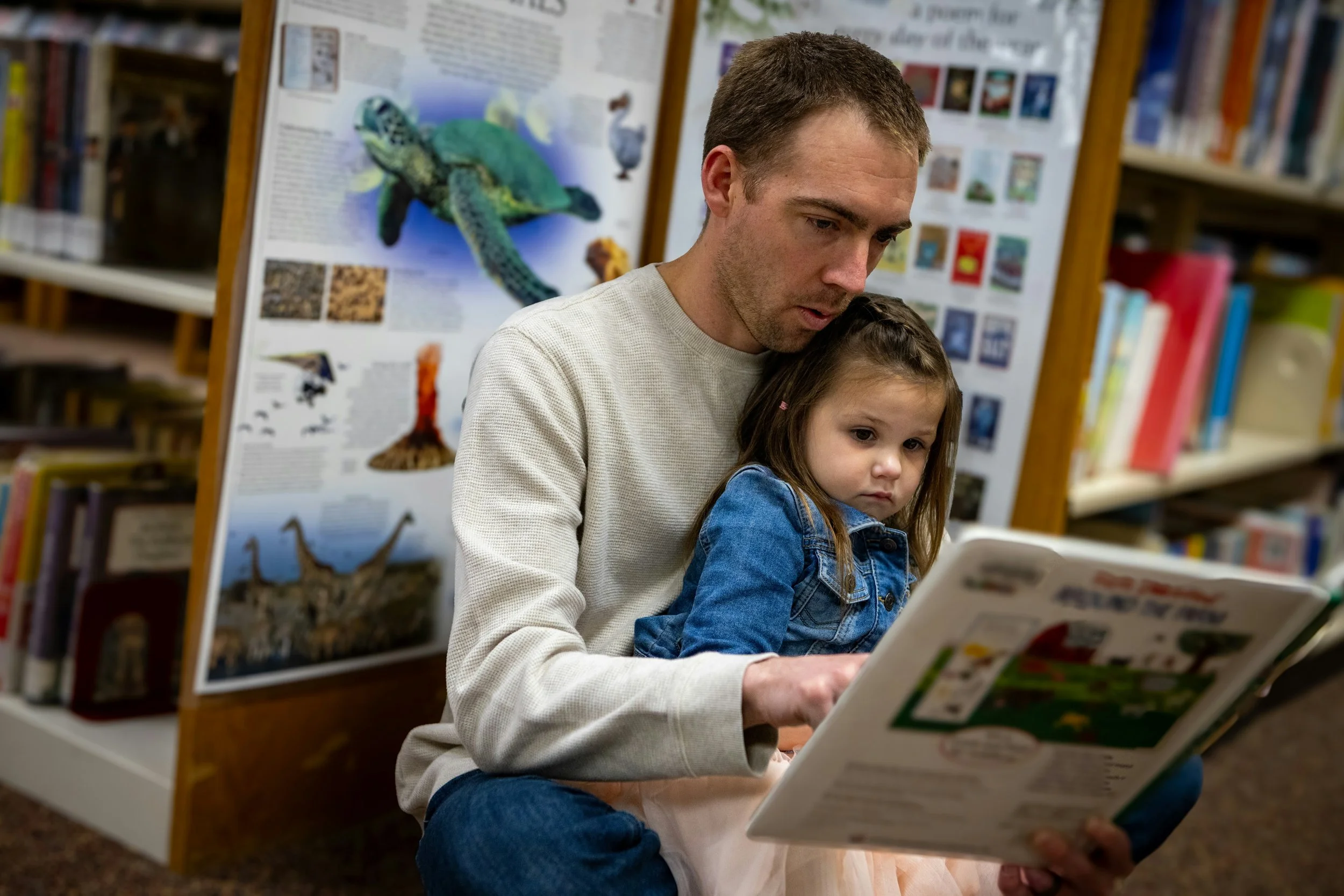
Many parents notice their toddlers pointing at a toy, wanting it, but not naming it. Or they hear their child use single words for weeks without combining them into short phrases. It’s easy to wonder, “Is my kid just quiet, or falling behind?”
Early speech and language skills can shape more than how kids talk. They affect thinking, imagination, social connection, and readiness for school. That’s why watching early development and knowing when to act matters for every parent.
In this article, you’ll learn how to spot real lagging signs, simple things you can try at home, when it’s time to seek support, and what evidence says about the importance of early language.
Understanding Real Milestones and Common Misconceptions
Babies and toddlers build language slowly and in stages. According to USA Today, babies begin showing early communication long before speaking clear words. Many start by babbling with pointing or simple gestures. These actions often show that your child is trying to express a need or reaction.
Experts note that early first words usually include “mama,” “dada,” “ball,” “hi,” and “no,” since babies copy words they hear regularly. They also highlight that some babies speak earlier due to genetics, older siblings, or active parent interaction. Most babies begin using single words around 12 months.
Many start forming short two-word phrases around 18 months. These early words are typically clear and noticeably different from simple baby sounds. However, worry is reasonable when a child can’t say coherent words between 18 and 24 months. At that point, pediatricians may check for hearing concerns or possible delays to understand what might be slowing development. If hearing issues are suspected, a referral to an audiologist can provide a comprehensive evaluation and help determine whether hearing is affecting speech and language development.
You should also look for progress and consistency rather than counting every word. Some toddlers repeat a few words, while others build a large vocabulary. Both patterns can still be normal when growth is steady.
What to Do Next and When to Seek Professional Support
You can support your child’s language development at home through simple daily habits. Talk during routines and describe what you are doing in clear, short phrases.
You can also respond to your child’s gestures or sounds to show that communication goes both ways. These small actions help your child link words with objects and experiences. If several months pass without visible progress, early professional support may help.
Early intervention usually begins with a speech-language pathologist checking how your child uses sounds, gestures, and simple words. They also look at how well your child understands instructions during play.
Many parents want a clearer idea of what these specialists do before scheduling a visit. They typically look for resources that explain the role in plain language. One helpful source is information about a speech-language pathology career, since these materials often describe the training, responsibilities, and methods behind early assessments.
You may want to seek support if your child rarely points, struggles with simple directions, or is not combining words by 30 months. Early guidance can lead to steady progress.
What Recent Research Reveals About Early Speech and Language
Recent studies help explain why these early signs and actions matter. A 2023 study published in the PNAS journal provides one of the most detailed looks at how infants begin vocalizing.
Researchers analyzed more than 40,000 hours of recordings from families in several countries. They found that age, clinical factors, and the amount of adult speech were the strongest predictors of vocal activity. Infants who heard more adult speech produced more sounds.
This pattern suggests that early language environments strongly influence how speech begins. The study also showed that gender, multilingual background, and socioeconomic status did not meaningfully influence early vocal patterns. This finding challenges common assumptions about early speech differences across groups.
These results align with a 2023 Frontiers in Education study. It noted that vocabulary and narrative skills often develop together and support early social interaction. Children with richer vocabularies tend to build stronger narrative skills, which support social interaction and early learning.
Together, these insights highlight the importance of consistent and meaningful language exposure during the early years.
Working With Specialists and Setting Clear Expectations
If you decide to consult a child-development specialist or a speech-language therapist, here is what to expect. A typical session may include a hearing check, play-based observation, and a brief conversation about milestones and daily routines.
The specialist will also guide you in simple home activities that often take only a few minutes each day. As you move through this process, it helps to know that support is not the same for every child. Ithaca College explains that early intervention can look different for each child because specialists adjust their approach to match each child’s needs.
This perspective can help you understand why two children with similar delays may follow individualized plans during therapy. When you visit, ask about what milestones to expect in 6–8 weeks and whether to follow any home routines.
You can also confirm how to track your child’s progress, since it may be measured through play, speech, or social interaction. Support may come from early-intervention programs, preschool clinics, private practices, or teletherapy, based on what is available in your area.
People Also Ask
1. What are the early warning signs of a speech delay in toddlers?
Some early signs include limited eye contact, fewer gestures, and reduced interest in back-and-forth play. A toddler might also echo words without using them meaningfully or struggle to follow simple cues. These signs do not confirm a delay, but signal that closer monitoring may help.
2. Can early screen time affect a child’s speech development?
Yes. A 2025 cross-cultural PLoS ONE study found toddlers with heavy passive screen use scored lower on language and communication tests. When screen time replaced interaction, children had weaker vocabularies and later speech milestones. For best results, prioritize live talk, play, and reading.
3. Does learning two languages at home cause a speech delay in toddlers?
No, a 2023 ASHA study found bilingual children do not show higher rates of delay than monolingual peers. It showed that language dominance shifts based on exposure, not disorder. Multilingual homes support healthy development when children hear meaningful interaction in both languages, whether at home, through community programs, or in structured settings like chinese enrichment classes.
Early speech and language skills matter more than just “first words.” They form the foundation for thinking, social connection, learning, and confidence. You don’t need premium tools or elaborate sessions to start helping.
Simple daily talk, responding to gestures, and giving your child space to explore sounds and play are excellent first steps. If you notice your child isn’t meeting basic milestones, especially around 30 months, don’t wait. Reach out to a specialist.
With timely steps, many children catch up and thrive. As a parent, your attention and early action can make a big difference for your child’s future.
Related:
