
Why Taking Your Kid Hunting Teaches More Than Any Classroom
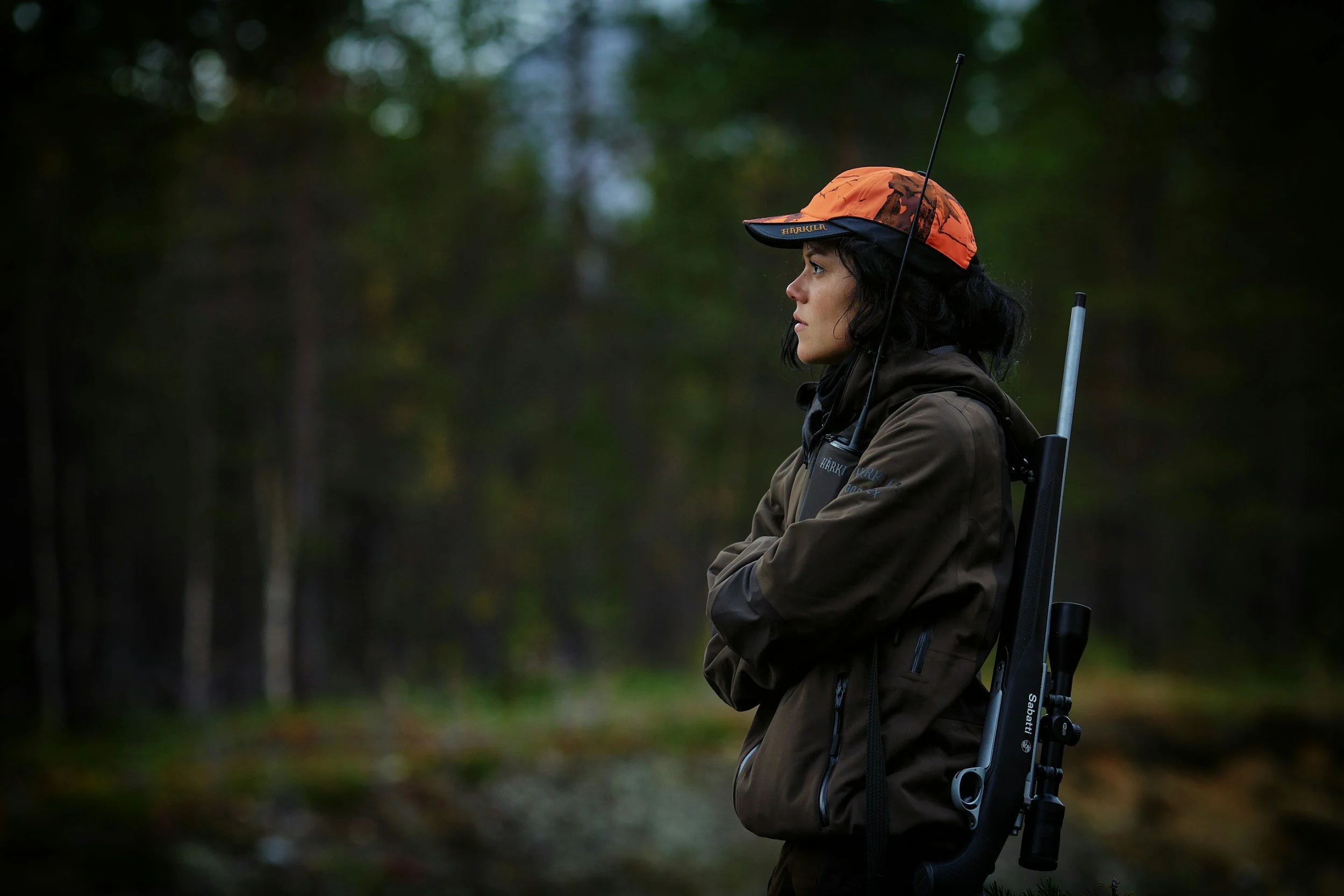
There is a particular kind of quiet that settles over the woods before sunrise. Your kid feels it before they can explain it. They stop fidgeting. Their voice drops to a whisper without being told. They start noticing things, the snap of a twig, the shift in the wind, the way the light changes the color of everything. In that moment they are learning, and not a single worksheet is involved.
I am not here to argue that hunting belongs in every family. It does not, and that is fine. But if you have ever wondered whether it is worth the early alarm and the cold fingers and the long stretches of nothing happening, here is the honest case for it. A morning in the field teaches a handful of lessons that are genuinely hard to teach any other way.
Patience, in a world built to destroy it
Kids today are raised inside feedback loops measured in milliseconds. Tap the screen, get the reward. Hunting is the opposite of that, and that is exactly the point.
You can sit for two hours and see nothing. Then you sit another hour. The lesson lands without a lecture: some things worth having cannot be rushed, summoned, or skipped. Your child learns to sit with boredom and come out the other side of it, which turns out to be one of the most useful skills an adult can have. We spend a fortune on apps and courses trying to teach grown adults to tolerate stillness. A kid in a deer blind learns it for the price of a thermos of hot chocolate.
Responsibility you can actually feel
A lot of parenting advice about responsibility stays abstract. Make your bed, do your homework, the consequences are vague and far away. The field makes consequence immediate and real.
When a child is trusted to handle equipment safely, to follow rules that exist for a reason, and to understand that their choices carry weight, something clicks. They are not being managed. They are being counted on. That shift, from being supervised to being trusted, is a powerful thing for a kid to feel, and they rise to it more often than we expect.
None of this works without doing the groundwork first, which I will come back to, because the responsibility lesson only lands when the safety piece is handled properly.
Where food actually comes from
Most kids think food comes from a package. Hunting collapses that distance in a way nothing else does.
When a child is part of bringing home the meat that ends up on the table, the entire chain becomes visible. They understand that an animal lived, that the harvest was taken seriously, and that nothing should be wasted. That is a more honest food education than any documentary. It also tends to make kids less squeamish and more grateful, and it pairs naturally with the conversations a lot of us are already trying to have about eating real, whole food instead of whatever is engineered to be addictive.
There is a respect that grows out of this too. Kids who hunt rarely treat animals or the outdoors carelessly, because they have seen up close what it actually means to take a life for food. Reverence is not a word you can hand a child. They have to arrive at it, and the field is one of the few places that gets them there.
Focus and a nervous system that gets a break
We talk a lot about attention spans, usually while doom-scrolling. The woods do something to a kid's nervous system that no amount of screen-time rules can replicate.
Out there, attention has somewhere useful to go. A child has to stay present, read the environment, and stay quiet long enough to notice subtle changes. It is functional mindfulness without anyone using the word mindfulness. They come home tired in the good way, the way that produces actual sleep instead of the wired exhaustion that follows a day of screens. For a lot of kids, that reset alone is worth the trip.
Resilience built one cold morning at a time
Hunting involves discomfort, and that is a feature, not a bug. It is cold. It is early. You walk farther than you wanted to. Sometimes you do everything right and still come home empty-handed.
Learning to be uncomfortable on purpose, and to keep your composure when the outing does not go your way, is resilience training in its purest form. Kids who experience small, manageable hardships alongside a parent who stays calm learn that discomfort is survivable and that effort does not always equal reward. That is a lesson that pays off in classrooms, on teams, and eventually in jobs and relationships, long after they have forgotten the specifics of any one morning.
The part that matters most: doing it right
Everything above only holds true if the experience is built on a foundation of safety. A hunting trip that is rushed, careless, or beyond a child's readiness teaches the wrong lessons fast.
So start with the boring, non-negotiable groundwork. Before a kid carries anything in the field, they should know and be able to repeat the basic rules of firearm safety, the kind of thing that becomes automatic through repetition rather than a one-time talk. Match the experience to the child, not the calendar. Readiness has more to do with maturity, attention, and the ability to follow instructions under pressure than it does with a birthday. If you are weighing whether your kid is ready and what a responsible first season looks like, this smart parent's guide to youth hunting is a practical walk-through of age considerations, gear, mentorship, and the conversations to have first.
A few principles that hold up regardless of where you hunt or what you hunt:
Safety is the whole game, not the first slide. Reinforce the basic rules of firearm safety every single time, including on the easy days when nothing seems to be at stake.
Start small and keep it short. A child's first outing should be more about the experience than the result. A morning that ends before they are miserable is a morning they will want to repeat.
Let them quit for the day without shame. Pushing a tired, cold kid past their limit is how you raise someone who never wants to go again.
Make it about the time together, not the harvest. If you come home with nothing but a good morning, you still won.
What they are really taking home
Years from now, your kid will not remember most of the details. They will not remember the exact morning or what the weather did. What stays with them is the feeling of being trusted, the quiet, the time spent beside you with nowhere else to be and no screen between you.
That is the thing no classroom can offer. Not the patience or the responsibility or the food lesson on their own, but all of it bundled into hours that belong only to the two of you. Whether or not your family ever hunts, the underlying idea travels: kids learn the deepest lessons not from instruction, but from being brought along, trusted, and shown how to do something that matters with the people who love them.
The field is just one good place to do that. It happens to be a place that teaches a lot at once.
