
Your Kid Wants to Hold a Snake. Here Is What to Check First.
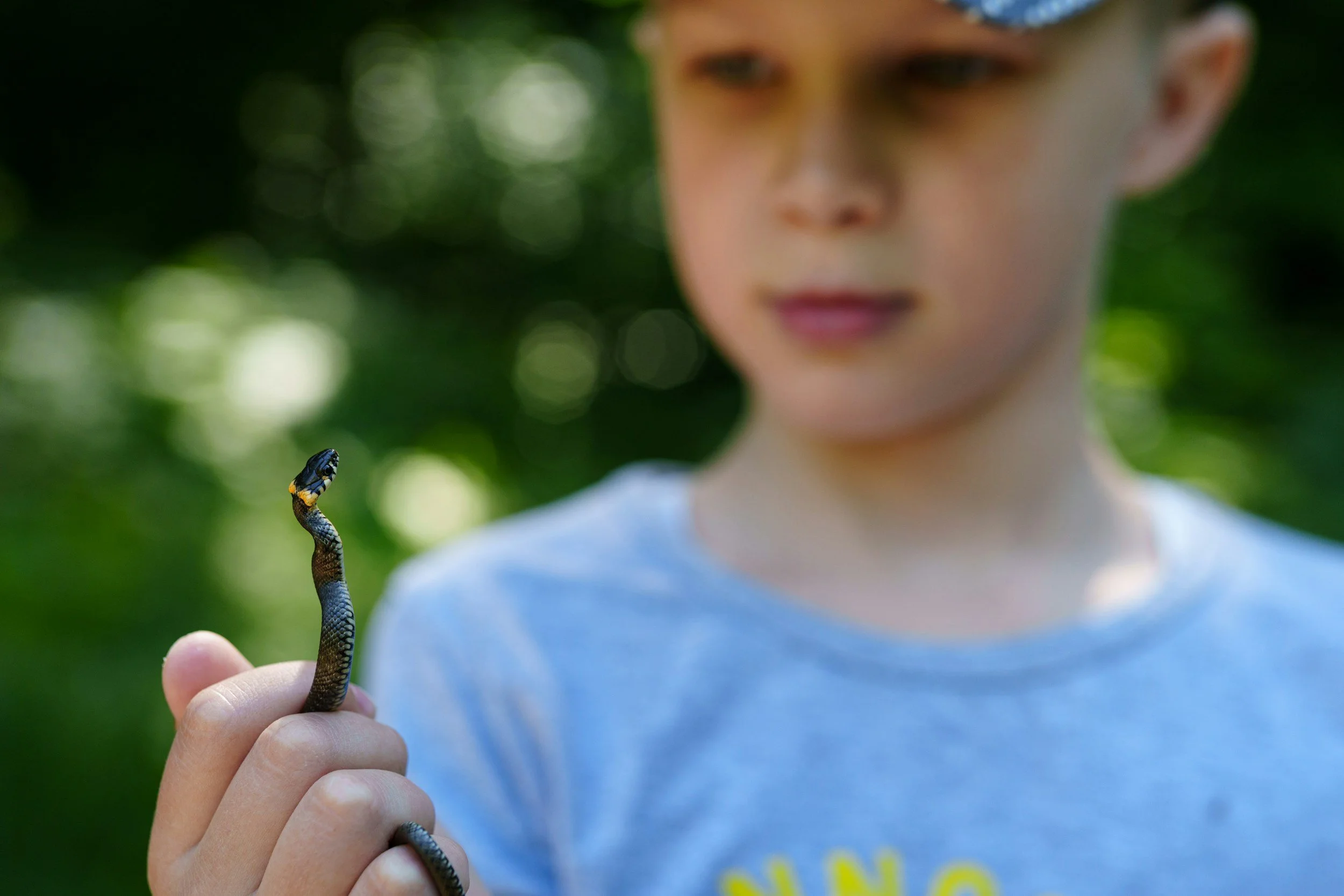
There is a moment most parents recognize. Your kid meets an animal up close for the first time, and something switches on behind their eyes that no documentary has ever managed.
It is worth chasing. It is also worth being a little choosy about, because the animal encounter industry runs the full range from serious conservation education to roadside operations that are quietly awful for the animals involved.
The good news is that the difference is not hard to spot once you know what to look at. Here is the checklist.
Key Takeaways
Close contact with animals does something screens cannot, and the sensory element is a big part of why
The quality gap between operators is enormous, and price is a poor guide to which is which
Watch how the animals are managed, not how impressive the photo op looks
The CDC advises that children under five should not touch reptiles, amphibians or poultry, and that everyone washes hands with soap and water immediately afterward
Ask who runs the operation and what their qualifications are, because the answer sorts the field fast
The best experiences are booked in advance and have limits, which is usually a sign of good practice rather than inconvenience
Why This Particular Kind of Outing Sticks
Kids remember animal encounters years after they have forgotten most family outings. Part of that is novelty, but the bigger part is that the experience is genuinely multisensory in a way almost nothing else in modern childhood is.
Weight in the hands. Unexpected texture. The specific stillness a child produces when something living is resting on their arm and they have decided, entirely on their own, not to move.
That combination is also why these outings can be a particularly good fit for sensory seekers, the kids who are constantly reaching, touching and climbing. A structured animal encounter gives that drive somewhere useful to go, with an adult managing the boundaries.
It can go the other way too. A sensory-sensitive child may find a room of reptiles overwhelming, and a good operator will offer a way to watch rather than touch without making a thing of it.
The Part Nobody Puts on the Booking Page
Animal encounter businesses are not regulated to a consistent standard, and the visible experience can look almost identical whether the underlying operation is excellent or grim.
Some red flags are easy once you know them. Animals available for photos continuously all day with no visible rest. Baby animals perpetually on offer, which raises an obvious question about where the steady supply comes from.
Others are subtler. Watch whether animals can move away from contact if they want to, or whether they are held in place. Watch whether the handler is reading the animal or reading the crowd.
Ask a husbandry question. What does this one eat, how old is it, where does it sleep. Someone who knows their animals answers immediately and usually with more detail than you wanted.
Another useful test is what the operator says no to. A venue that brings out every animal on request, for every group, all day, is optimizing for the customer rather than the collection.
Compare that with one that tells you a particular animal is off roster today because it fed yesterday or is mid-shed. That answer is mildly disappointing in the moment and tells you almost everything you need to know.
Performance is the other thing to watch. There is a real difference between an animal displaying a natural behavior with encouragement and an animal doing a trick that exists purely because audiences clap at it.
None of this requires expertise. It just requires watching the animals for a minute instead of watching your kid, which is admittedly the harder instruction to follow.
What Good Actually Looks Like
The strongest signal is who is running it. A facility owned and operated by a qualified zoologist is a different proposition from one run as a hospitality product with animals attached.
The second signal is limits. Good operators cap group sizes, restrict which animals come out on a given day, and book in advance rather than running continuous walk-up sessions. That looks like inconvenience and is actually welfare management.
The third is whether education is genuinely part of it or bolted on. Conservation framing that continues after the photos is a different thing from a script recited before the queue moves.
Australia has some strong examples of this model if you are travelling there or based nearby. Families looking to explore animal encounters in Melbourne often come across Wild Action, a private facility in the Macedon Ranges established in 1994 and run by qualified zoologist Chris Humfrey, home to more than 2,000 animals across an eleven-acre property.
Worth knowing before you plan around it: the facility is not open to the general public and visits are arranged in advance rather than turned up to. That restriction is exactly the kind of thing the checklist above is looking for.
Their programs run from school incursions and junior zookeeper days through to an NDIS Zoo Crew program, which is a useful signal in itself. Operators building accessible programming are usually thinking carefully about how people and animals interact.
The Hygiene Conversation Worth Having
This gets skipped constantly and it matters. The CDC advises that children under five should not touch reptiles, amphibians or poultry, because these animals commonly carry Salmonella even when they look perfectly healthy and young children are at higher risk of serious illness.
For everyone else the guidance is straightforward. Wash hands thoroughly with soap and water immediately after touching animals or being in their enclosures, and adults should supervise handwashing for young kids.
A few more that are easy to forget in the moment. No eating or drinking around animals or animal areas. No fingers, pacifiers or toys going near mouths, either the child's or the animal's.
And follow whatever the staff say, including rules that seem overly fussy. Some contact exhibits use a two-finger touch rule for a reason, and a venue that enforces its own rules is a venue worth trusting.
Making It Land
Do a little priming beforehand. Kids get far more out of an encounter when they arrive with one or two things they already want to find out.
Then get out of the way. The instinct to narrate and photograph is strong, and the experience is better for them if you let the silence happen.
Afterward, ask what surprised them rather than whether they had fun. You will get a real answer, and it tends to be the thing they remember.
The Honest Bottom Line
Most parents booking these outings are hoping for a memory. The ones that deliver are almost always the ones where the animals are being looked after properly, because a calm, well-managed animal behaves in ways that are far more interesting to watch than a stressed one.
So the ethical question and the quality question turn out to be the same question. That is convenient, and it means you do not have to choose between a good day out and a defensible one.
One note for readers outside Australia: the operator mentioned above is Melbourne-based, so apply the checklist to whatever is near you. The criteria travel even when the booking does not.
FAQ
What age is right for a first animal encounter?
It depends on the animals involved. For reptiles and amphibians specifically, CDC guidance is that children under five should not have contact, so look for venues offering a watch-only option for younger kids rather than assuming everyone handles everything.
Are these experiences stressful for the animals?
They can be, and that is the whole reason to be selective. Well-managed programs use a rotating roster, cap session lengths and give animals genuine space to retreat. Continuous all-day handling is the pattern to avoid.
Is a private facility better than a big public zoo?
Neither format is automatically better. Accredited public zoos often have serious conservation programs and strong oversight, while small private operations vary enormously. Judge the operator, not the category.
My child is nervous around animals. Should we skip it?
Not necessarily, but tell the operator in advance. A good one will have a version of the visit that works from a distance, and watching a sibling go first is often all it takes.
What should I actually ask before booking?
Who owns and runs the facility and what are their qualifications, how long each animal is handled per day, whether the animals can move away from contact, and what the handwashing setup looks like. Four questions, and the answers tell you most of what you need.
