
3 Mindful Decoration Ideas for a Calmer Home
The environment inside your home significantly impacts your mental clarity and overall emotional well-being. By intentionally choosing decor that promotes relaxation, you can transform a chaotic living space into a grounding retreat.
Mindful decoration focuses on the relationship between your physical space and your internal health. Incorporating natural elements and organizing with purpose can improve your sleep quality and help you stay patient during difficult parenting moments.
Explore these practical strategies to see how easy it is to cultivate a more restorative atmosphere in your own house.
1. Embrace Calming Color Palettes
Color functions as a silent psychological trigger in your living space. Choosing a muted palette reduces visual noise and helps your brain shift from a high-alert parenting state into a restorative one. Soft neutrals and cool tones are particularly effective for lowering heart rates and encouraging a sense of stillness after a hectic day.
Optimal Choices for Mindful Spaces
Soft Sage: This earthy green mimics the outdoors to ground your emotions.
Dusty Blue: A cooling shade that promotes steady breathing and better sleep.
Warm Greige: Offers a cozy foundation without the sterile feel of pure white.
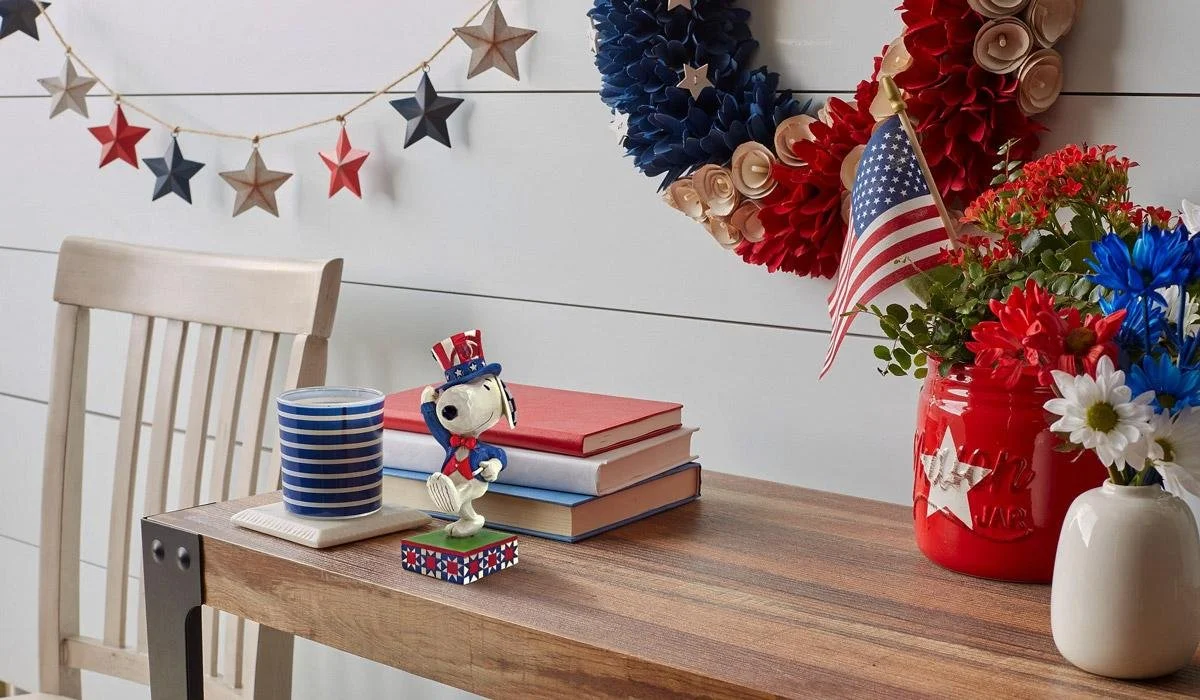
A calm environment also benefits from meaningful focal points that celebrate family and heritage. You can easily anchor a room by incorporating intentional decor like Michelle's aDOORable Creations' lori mitchell figurines to add a touch of character and warmth. These pieces provide a sense of belonging and pride while fitting seamlessly into a balanced, well-ordered design.
Quick Tips for Implementation
Limit High Contrast: Avoid harsh black-and-white patterns that overstimulate the eyes.
Use Matte Finishes: These surfaces diffuse light gently to create a softer ambiance.
Layer Tones: Stick to different shades of the same color to keep the room cohesive.
Focusing on these subtle shifts allows you to curate a home that actively supports your mental health. When your walls reflect tranquility, it becomes much easier to model patience and presence for your children.
2. Invite Nature Indoors
Biophilic design is a powerful tool for busy parents seeking a mental reset. Research indicates that integrating natural elements into your home can lower stress levels by 20% while sharpening your cognitive focus.
As little as 20 minutes immersed in the outdoors can significantly decrease stress markers and help restore your internal balance. These environmental shifts act as a biological signal to your nervous system to transition from "fight or flight" into a state of calm.
Key Biophilic Elements
Potted Greenery: Snake plants or pothos act as natural air purifiers to improve oxygen flow.
Raw Textures: Unfinished wood and stone surfaces provide tactile grounding.
Natural Light: Maximizing window exposure helps regulate your family's circadian rhythms.
Incorporating these features also aligns your living space with sustainable practices. Using organic materials often results in a more energy-efficient home that stays cooler in the summer and warmer in the winter. This eco-conscious approach creates a healthier atmosphere for growing children and reduces your long-term environmental footprint.
Immediate Practical Steps
Open the Curtains: Let the sun reset your internal clock every morning.
Add Wood Accents: Replace plastic organizers with bamboo or cedar alternatives.
Introduce Water: A small tabletop fountain provides a soothing auditory backdrop.
By bridging the gap between your indoor life and the outside world, you create a sanctuary that actively boosts your mood. This simple alignment with nature makes it much easier to maintain a patient and present mindset throughout the day.
3. Anchor the Room with Meaningful Focal Points
A mindful home requires a visual landing spot to center your attention and quiet a racing mind. By establishing a primary focal point, you eliminate the visual clutter that often leads to decision fatigue. This intentional design choice serves as a daily reminder of your values and personal history.
Strategic Placement for Visual Peace
Eye-Level Entryways: Use a single, striking piece of art to greet you after work.
Family Gathering Zones: Position furniture toward a central hearth or a large window.
Restorative Corners: Create a dedicated nook for reading or meditation.
Selecting objects with personal significance transforms a house into a sanctuary for your mental health. High-quality craftsmanship and heritage-inspired decor provide a sense of stability that mass-produced items cannot replicate. These anchors help ground your energy, making it easier to shift from the "to-do list" mindset into a more present state.
How to Select Your Focal Point
Prioritize Texture: Choose materials like hand-woven textiles or reclaimed wood.
Eliminate Distractions: Remove small, disconnected trinkets that fragment your focus.
Incorporate Legacy: Display items that tell a story or represent a family milestone.
When your environment has a clear purpose, your brain spends less energy processing your surroundings. This clarity allows you to devote more mental bandwidth to your family and your own self-care routines.
Your Next Steps
Mindful decoration does not require pricey overhauls; it is about intentional choices that speak to the senses and values. To begin this week, try the following simple actions:
Pick one tip - perhaps repainting a wall or adopting a snake plant - and notice the shift in mood over 24 hours.
Take a before photo to track the transformation of the space.
Browse handcrafted options to find a focal point that anchors a serene retreat.
With small décor tweaks come big mental-health wins. A calm, happy space is often just a mindful moment away.
Author Profile: Michelle's aDOORable Creations is the leading online retailer of wreath-making supplies and seasonal home decor for crafters and DIY enthusiasts.
Related:
