
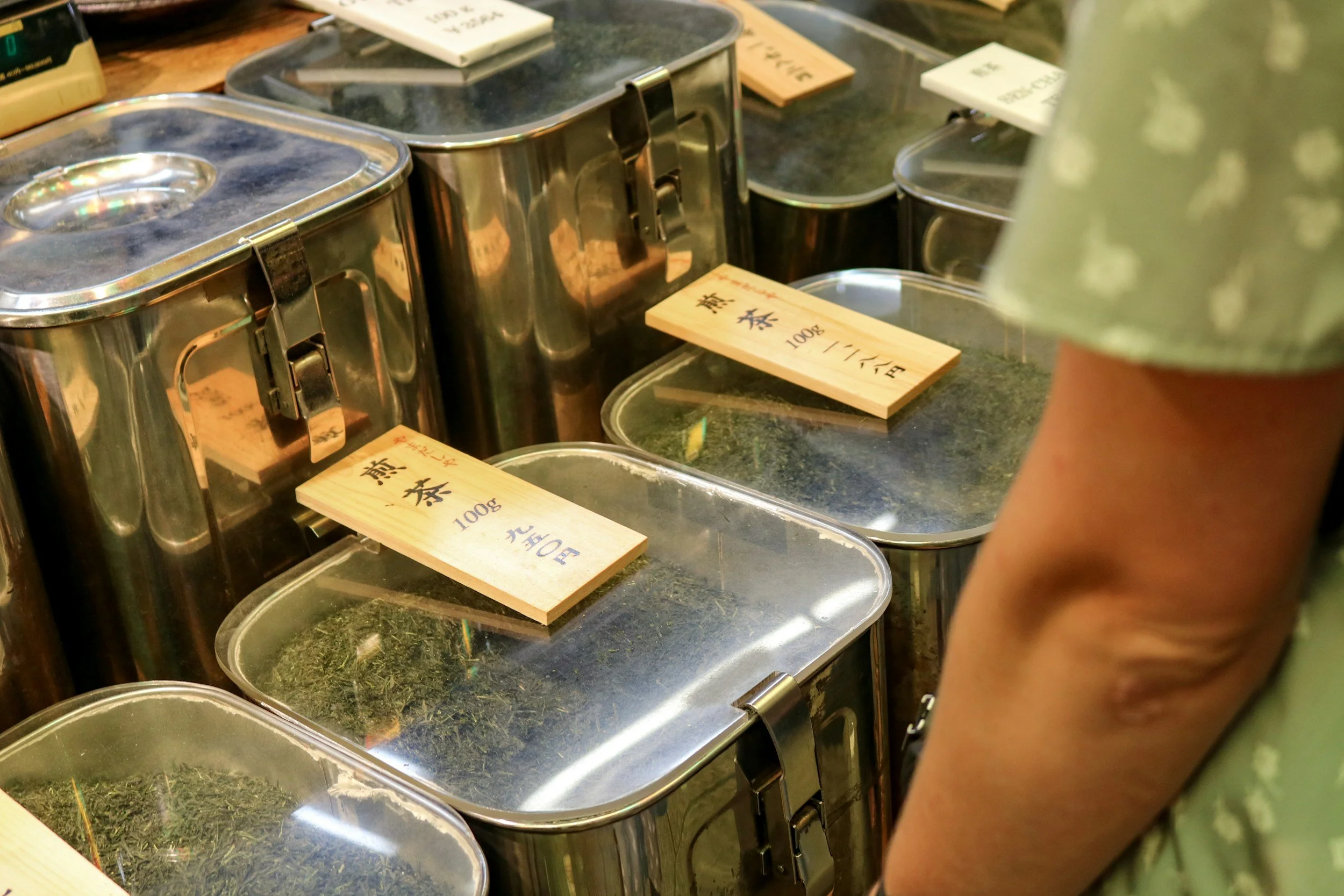
Tea labels pack useful details into short terms that can sound more decisive than they are. A label might describe leaf size, growing region, processing, or flavor, but each detail says something different about the cup. Buyers get more from a label when they separate factual descriptions from quality claims and marketing language. Five common terms are worth decoding before placing a first order.
A first-time shopper comparing loose-leaf tea should start with product details, not the name or photograph. Before placing an order, compare the tea type, ingredient list, and brewing notes. When ready to buy loose tea, use those details to compare similar blends and choose one that suits a preferred strength or caffeine level.
1. Tea Type Sets the Broad Category
Names such as black, green, white, oolong, and herbal identify broad categories, but they do not describe identical ingredients or caffeine levels. Herbal tea usually means an infusion of herbs, flowers, fruit, or spices, rather than leaves from the tea plant. Rooibos also comes from a different plant.
Use the category to narrow the flavor and expected caffeine profile, then read the product description. Black and green teas contain caffeine, while herbal blends and rooibos are generally caffeine-free. Check the product details for confirmation. “Caffeine-free” and “decaffeinated” do not mean the same thing.
2. Leaf Grade Describes Size, Not Taste
Terms such as "whole leaf," "broken leaf," "fanning," and "dust" describe particle size or leaf condition. They do not establish a universal ranking of taste or quality. Smaller pieces release flavor faster, so they suit quick, strong brews and tea bags. Larger leaves need room to expand and can support multiple infusions, depending on the tea.
A named grade might follow a system used for a particular tea type or region. Treat the grade as a description, not a guarantee of personal preference. Check the leaf form and brewing instructions, then choose a strainer or infuser that leaves enough room for the tea to expand.
3. Origin and Harvest Offer Useful Clues
An origin label might name a country, region, garden, or estate. A precise place name tells buyers how much sourcing detail the seller provides, but it does not prove freshness or quality. Climate, elevation, cultivar, and processing affect the finished tea, and labels rarely explain every factor.
Harvest terms such as first flush or spring harvest identify a picking period. In some regions, early-harvest teas have a lighter profile, though the style varies by cultivar and production. Treat the season as one clue, then check the tasting notes and product description. A harvest or packing date gives better freshness context than a vague “new crop” claim.
4. Ingredient Lists Reveal the Blend
An ingredient list distinguishes plain tea from a flavored blend. A black tea with bergamot, for example, includes flavor beyond the tea leaf. Fruit pieces, spices, flowers, and essential oils also change a blend’s composition. Ingredients usually appear in descending order by amount, so the list shows what makes up most of the product.
“Natural flavor” names a flavoring category, not its source or intensity. Buyers who want a simple cup should look for a short, clear ingredient list. Anyone avoiding an ingredient should read the full list instead of relying on the product name or package art. Brewing strength does not remove ingredients from a blend.
5. Organic and Premium Claims Need Context
“Organic” describes production standards, not leaf size, flavor, or caffeine. A package making an organic claim should identify its certification or provide enough information to verify it. In the United States, the USDA Organic seal signals certification under federal organic standards.
“Premium” is less precise. Sellers use it to position a tea, but the word does not explain its origin, harvest, or handling. Compare the claim with details buyers can check, such as the named origin, harvest date, ingredient list, and leaf appearance. Those facts provide a more useful basis for judging a product.
Conclusion
Before ordering, read the label in a practical sequence: identify the tea category, inspect the leaf form, then check the origin and harvest details. Review every ingredient and verify any certification claim. Match the brewing directions to the strength and cup size preferred. If two choices still seem similar, start with a small quantity and note the steeping time that tastes best. That simple comparison turns unfamiliar terms into a more informed purchase.