
5 Mistakes That Could Hurt Your Truck Accident Case
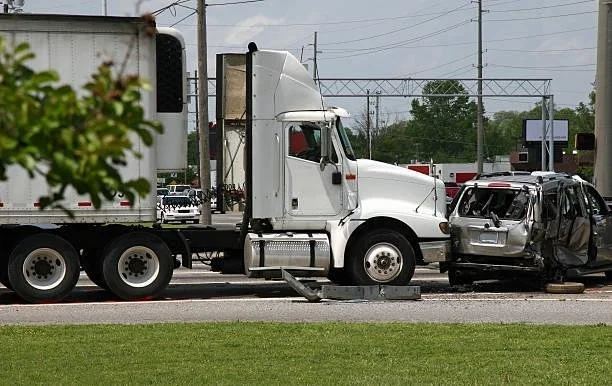
A truck accident case can become harder to pursue when an injured person makes avoidable mistakes after the collision. Failing to seek medical care, overlooking important evidence, giving inaccurate statements, accepting an early settlement, or waiting too long to understand legal deadlines can all create problems. Knowing these risks can help protect your rights and preserve evidence after a serious crash.
Richmond, Virginia, is a major transportation hub with busy roads connecting the city to surrounding communities and interstate routes. Commercial trucks regularly travel through the region carrying goods between Virginia and other parts of the country.
With large trucks sharing roads with passenger vehicles, collisions can result in complicated investigations involving drivers, trucking companies, insurers, and potentially other parties. If you are involved in a serious collision, a truck crash lawyer in Richmond may help evaluate the circumstances and identify the evidence needed for a claim.
1. Failing to Get Medical Attention
One of the biggest mistakes is assuming that an injury is minor simply because symptoms are not immediately severe.
Some injuries become noticeable hours or even days after a crash. Delaying medical treatment can make it more difficult to document when an injury began and how it relates to the collision.
Anyone who has been injured should seek appropriate medical attention and follow the treatment recommendations provided by healthcare professionals.
Medical records can also provide important documentation of the diagnosis, treatment, and recovery process.
2. Not Preserving Evidence From the Crash
Truck accident cases can involve evidence that disappears quickly.
Photographs of vehicle damage, roadway conditions, skid marks, traffic signs, and visible injuries can help establish what happened. Dashcam footage, surveillance video, electronic vehicle information, and witness statements may also become important.
Commercial trucks can generate additional records, including driver logs, inspection information, maintenance records, and other business documents. Some evidence may need to be requested or preserved before it is lost or overwritten.
3. Giving an Inaccurate or Speculative Statement
After a traumatic collision, people may not remember every detail clearly.
When speaking with police officers, insurers, or other parties, it is important to provide accurate information rather than guessing. Saying that you were "fine" immediately after a crash, for example, may later be interpreted differently if significant symptoms develop.
You should explain what you know and avoid making statements about facts you cannot remember confidently.
4. Accepting a Settlement Too Quickly
Insurance companies may make settlement offers before the full extent of an injury is known.
An early payment may appear attractive when medical bills are accumulating, but accepting a settlement can have long-term consequences. Once a release is signed, obtaining additional compensation for the same accident may become difficult or impossible.
Before accepting an offer, consider whether medical treatment is complete, whether future care may be necessary, and whether lost income and other damages have been fully evaluated.
5. Waiting Too Long to Address the Claim
Every state has deadlines that can affect how long an injured person has to bring a lawsuit.
Virginia generally has a two-year statute of limitations for personal injury actions under Virginia Code § 8.01-243(A), although exceptions and different deadlines can apply depending on the circumstances.
Waiting until the deadline is approaching can also make evidence harder to obtain. Witnesses may become difficult to locate, video footage may disappear, and important records may require additional effort to recover.
Getting advice early can help identify applicable deadlines and evidence-preservation issues.
Truck Accident Cases May Involve Multiple Parties
A truck collision is not always simply a claim against the truck driver.
Depending on the circumstances, responsibility may involve a trucking company, vehicle owner, maintenance provider, cargo-loading company, manufacturer, or another party. Determining who may be legally responsible requires examining how the crash occurred and what each party's role was.
Evidence such as driver records, maintenance documentation, cargo information, and company policies may become important when evaluating these questions.
Key Takeaways
Seek medical attention after a truck crash when you are injured.
Preserve photographs, video, witness information, and other evidence.
Avoid guessing when describing what happened.
Do not accept a settlement before understanding the full extent of your losses.
Pay attention to applicable filing deadlines.
Truck accident claims may involve several potentially responsible parties.
Keep detailed records of medical treatment, lost income, expenses, and other damages.
