
8 Best Things to Do at Lake Moomaw
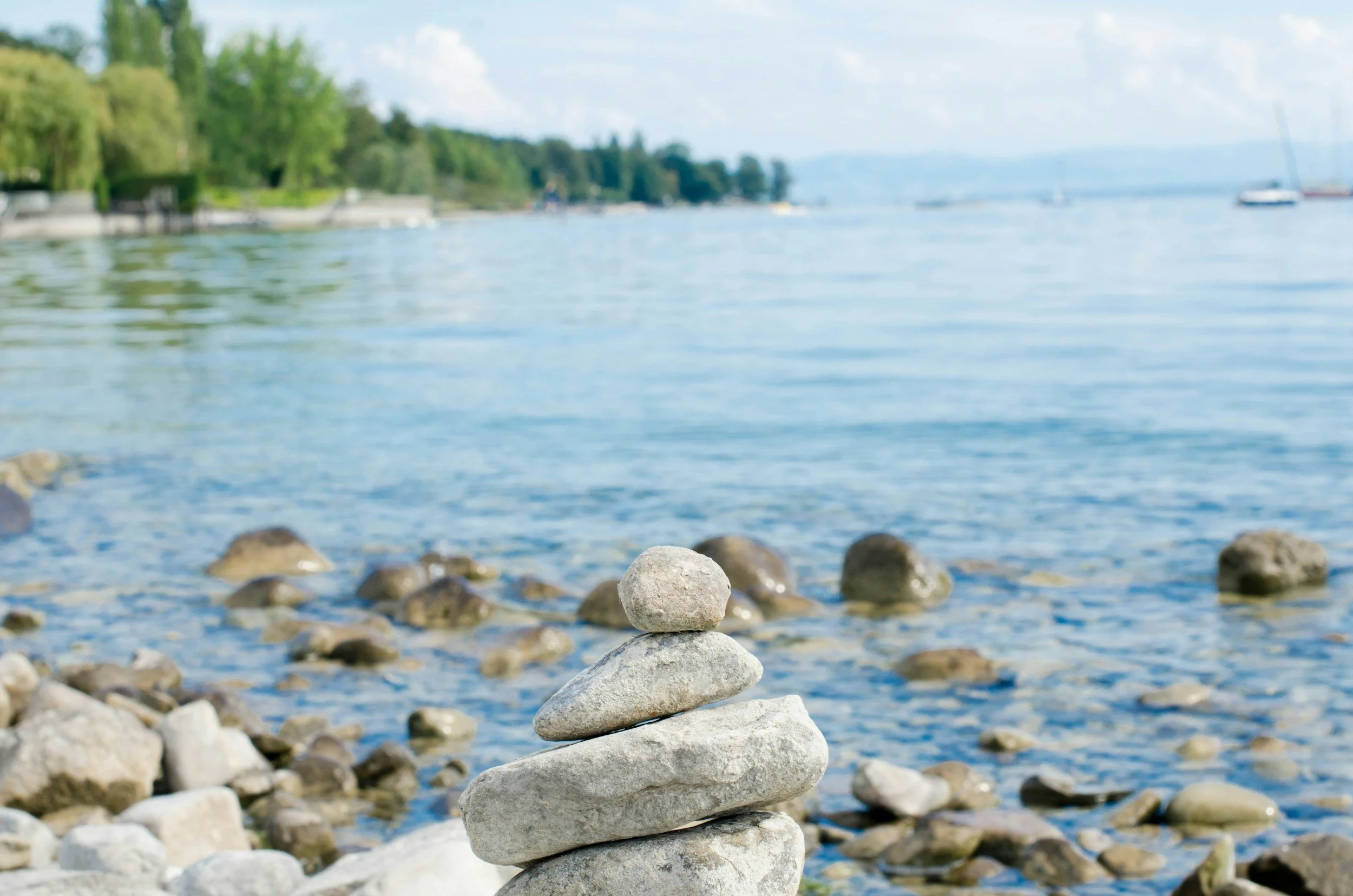
Lake Moomaw sits in the George Washington and Jefferson National Forests along the Virginia-West Virginia border, formed by Gathright Dam on the Jackson River. With no private development allowed on its 43 miles of shoreline, the lake has stayed remarkably undeveloped compared to most reservoirs its size. That combination of clear, cold water and forested mountains makes it a destination worth planning around rather than a quick stopover.
Fish for Smallmouth Bass and Trout
Lake Moomaw has a reputation among anglers for smallmouth bass, and the population here tends to run larger than in many nearby rivers. The Virginia Department of Wildlife Resources also stocks the lake with trout, including brown and rainbow trout that thrive in the cold, deep water near the dam. Striped bass show up too, particularly in spring and fall when they move into shallower coves to feed.
Bank fishing is possible at several access points, but a boat opens up far more water, especially the rocky points and submerged timber where bass tend to hold. Early morning and late evening are the most productive windows during summer months. Check current regulations before heading out, since size and creel limits can change seasonally.
Paddle the Quiet Coves
Because motorized development is banned along the shoreline, Lake Moomaw has dozens of coves that stay calm even when wind picks up on the main body of the lake. Kayaks and canoes can tuck into these inlets to explore rock outcrops, small waterfalls after rain, and stretches of shoreline where deer regularly come down to drink. Paddling here feels closer to a backcountry lake than a reservoir.
Bolar Flat and Meadow Ground boat launches both provide easy put-in spots for smaller craft. Morning paddles are especially rewarding, when mist often sits on the water and the lake is nearly silent except for birdsong.
Swim at Bolar Flat Beach
Bolar Flat offers one of the only designated swimming areas on the lake, with a sandy beach, shallow entry, and a roped-off zone for families with kids. The water stays cool even in the height of summer, since the lake is fed by mountain streams rather than warm runoff. There are no lifeguards on duty, so swimmers should use common sense about conditions and their own ability.
Picnic tables and grills sit close to the beach, making it easy to turn a swim into a full afternoon. Parking fills up on weekends between Memorial Day and Labor Day, so arriving before mid-morning helps secure a spot.
Hike the Shoreline Trails
Several trails wind along or near the lake's edge, including the Greenwood Point Loop and sections of the Highland Trail that offer views down onto the water from ridgelines above. These paths range from flat, easy walks suitable for most fitness levels to steeper climbs that reward hikers with wide views of the surrounding national forest. Fall color along these trails, typically peaking in mid to late October, draws hikers from well outside the immediate area.
Trail maps are available at the Gathright Wildlife Management Area office near the dam. Sturdy footwear is worth the effort, since roots and loose rock show up on almost every route.
Camp at Bolar Mountain or Morrison
Bolar Mountain Recreation Area, split into East and West sections, and Morrison Campground both sit directly on the lake and offer a mix of tent and RV sites. Many sites are walk-in or set back from the road, giving campers more privacy than a typical drive-up campground. Some loops include lake-view sites that book up months ahead for summer weekends.
For travelers who want more comfort than a tent but still want to be close to the water, a growing number of Lake Moomaw cabins are available for rent around the lake, ranging from simple one-room setups to larger multi-bedroom houses with decks facing the water. These make a practical base for longer stays, especially for groups combining fishing, hiking, and boating in the same trip.
Boat the Full Length of the Lake
At 12 miles long, Lake Moomaw is large enough for a full day of boating without repeating the same stretch of water twice. Pontoon boats, ski boats, and fishing boats are all common, and the lake's depth, reaching over 100 feet near the dam, keeps the water clear even in high summer. There's no public boat rental directly on the lake, so most visitors bring their own or rent from outfitters in nearby Covington or Hot Springs.
Wake restrictions apply in certain coves to protect quieter areas for paddlers and swimmers, so it's worth checking posted maps before opening up the throttle.
Watch for Wildlife Near the Water
Black bear, white-tailed deer, wild turkey, and bald eagles all show up regularly around Lake Moomaw, particularly in the early morning near the coves and wetland edges. The surrounding national forest land means wildlife encounters happen more often here than at reservoirs closer to towns and highways. Binoculars and a patient approach go a long way, especially near Bolar Flat and the upper end of the lake where the Jackson River feeds in.
Visit Gathright Dam and Overlook
The Gathright Dam, completed in 1981, controls the lake's water level and provides flood protection for the Jackson River valley downstream. An overlook near the dam gives a clear view of the structure and the lake stretching out behind it, and it's a useful stop for understanding how the reservoir was formed and managed. Informational signs at the site explain the dam's role in both flood control and maintaining trout habitat downstream.
Lake Moomaw rewards visitors who plan for more than a single afternoon. Pairing a night or two of camping or cabin rental with a mix of fishing, paddling, and hiking gives a much fuller sense of what makes this lake different from the more crowded reservoirs in the region.
