
A Practical Guide to Finding the Perfect Umbrella
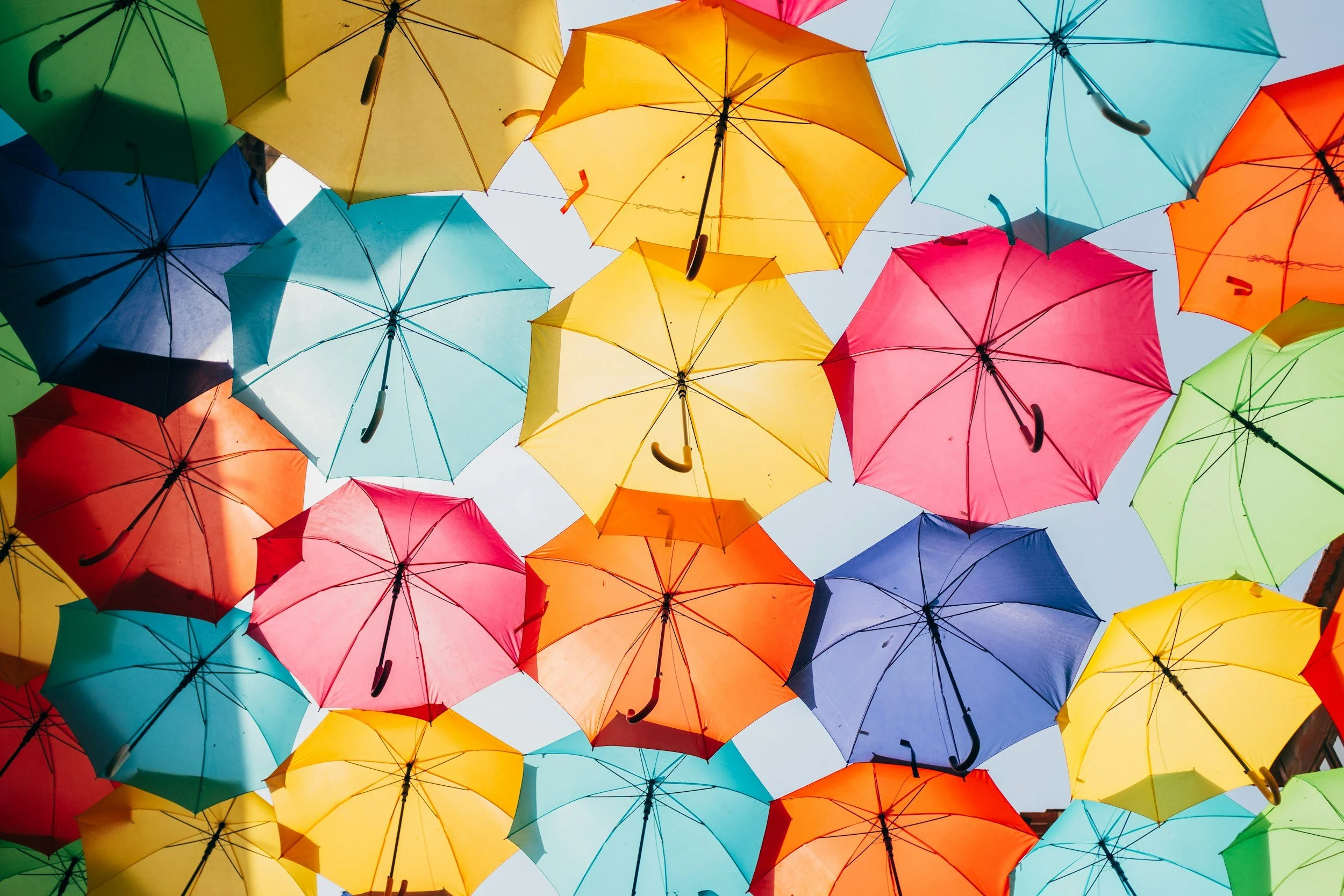
Most people never actually choose an umbrella. They grab whatever hangs by the register when the rain starts, use it twice, then watch it fold backward on a windy corner and drop it in the nearest trash can.
That cycle is expensive and completely avoidable. An umbrella is a simple object with a short list of variables, and once you know which ones matter for your life, buying a good one takes about ten minutes.
Start With Where You Will Actually Use It
The best umbrella for a city commuter is a poor umbrella for someone who walks a dog across an open field. Nothing else in this guide matters until you answer that question honestly.
If you move between train platforms, office lobbies, and crowded sidewalks, you want something that collapses small and closes fast without soaking the person behind you.
If you park in a driveway and walk twenty feet to a door, a full-length stick umbrella is sturdier, easier to use one-handed, and you have somewhere to keep it.
If you travel often, packed length and weight decide everything. An umbrella that does not fit your work bag will be sitting at home on the day you need it.
The Frame Decides Whether It Survives
Canopy fabric gets the marketing. The frame is what fails.
Ribs come in steel, aluminum, and fiberglass, and the difference shows up the first time a gust catches you. Steel is stiff and holds its shape under moderate load, but once it passes its limit it bends permanently and stays bent.
Fiberglass flexes much further before springing back, which is why it handles wind better and why it will not rust if you store the umbrella damp.
Rib count matters just as much. Cheap models often run six ribs, eight is the common standard, and ten to sixteen ribs spread the load across more points and hold the canopy taut when the wind pushes.
A vented double canopy is the other upgrade worth paying for. The overlapping upper layer lets air escape instead of pressing against a sealed dome, which is exactly what turns a cheap umbrella inside out.
Size Is Measured in Arc, Not Width
Listings usually quote an arc measurement, which runs along the curve of the open canopy from edge to edge over the top. That number is always bigger than the flat coverage you get standing underneath, so a 42 inch arc shelters noticeably less than 42 inches implies.
Compact folding umbrellas generally land somewhere around 38 to 42 inches of arc, which covers one person and a bag.
Stick umbrellas run larger, roughly 46 to 54 inches, enough for one adult plus a briefcase or a small child walking beside you.
Golf canopies start around 60 inches and cover two adults comfortably. They are also unmanageable on a windy sidewalk and awkward in any doorway.
Bigger is not automatically better. A canopy you cannot control in wind protects nobody, including you.
What Your Money Actually Buys
Price tracks construction far more reliably than it tracks brand names. Knowing the tiers keeps you from overpaying for a logo or underpaying for something disposable.
Under roughly fifteen dollars, expect six or eight steel ribs, a single-layer canopy, and a manual open. These are umbrellas you buy knowing you will replace them.
The middle band, somewhere around twenty-five to thirty-five dollars, is where fiberglass ribs, automatic open mechanisms, and better water-shedding coatings usually start to appear.
Above that, you are paying for vented double canopies, higher rib counts, and a shaft built to survive being leaned on like a walking stick.
Scanning one store's whole range side by side makes those tiers obvious in a way a single product page never does, and a general housewares catalog like sfeldmanhousewares.com/collections/umbrellas spans roughly thirteen to fifty dollars, so the feature list visibly changes as you move up the page. Sort by price, then read the specifications rather than the product names, and the pattern surfaces within a minute.
Open, Close, and Carry
Automatic open is a real convenience when one hand is holding a bag, a coffee, or a leash. Automatic close is more of a trade, since the mechanism retracts the canopy but you still push the shaft down yourself, and it adds parts that can jam.
Check the handle before anything you cannot see. A hooked wooden or rubberized grip stays put in a wet hand and hangs off a chair back or your forearm while you dig for keys, which a slick molded knob will not do.
Weight is the specification shoppers skip and then quietly resent. Once a compact umbrella pushes much past a pound, it stops feeling portable and starts living in a closet.
When You Want Shade Instead of Shelter
Umbrellas are not only rain gear. The CDC lists staying in the shade under an umbrella among the basic ways to lower your risk of sun damage and skin cancer, and an umbrella is far easier to carry to a sideline or a farmers market than a canopy.
When shade is the goal, the fabric rating outranks the frame. The Skin Cancer Foundation notes that a UPF 50 fabric blocks 98 percent of the sun's rays and lets two percent through, and a fabric must reach UPF 50 to earn the Foundation's Seal of Recommendation.
Dense, tightly woven canopies block more ultraviolet light than thin, loosely woven ones, and a dark underside cuts glare reflected up from pavement and sand. Shade alone is not full protection, so sunscreen and a hat still apply.
Make It Last Longer Than One Season
Dry it open. Closing a soaked umbrella into its sleeve traps moisture against the ribs and the coating, which is how joints corrode and fabric starts to smell.
Never force an inverted canopy back by pulling on the ribs. Turn the umbrella into the wind and let it snap back on its own, then check that the tips are still seated.
Shake it, do not whip it. Cracking the canopy to fling water off is the fastest way to loosen the rib joints on an otherwise good umbrella.
The perfect umbrella is not the most expensive one on the shelf. It is the one sized for how you actually move, framed to handle your local weather, and light enough that you carry it on the mornings the forecast is only a maybe.
Buy that one, dry it properly, and you can stop replacing umbrellas altogether.
