
8 Ways Center-Based ABA Therapy Builds Daily Living Skills in Children
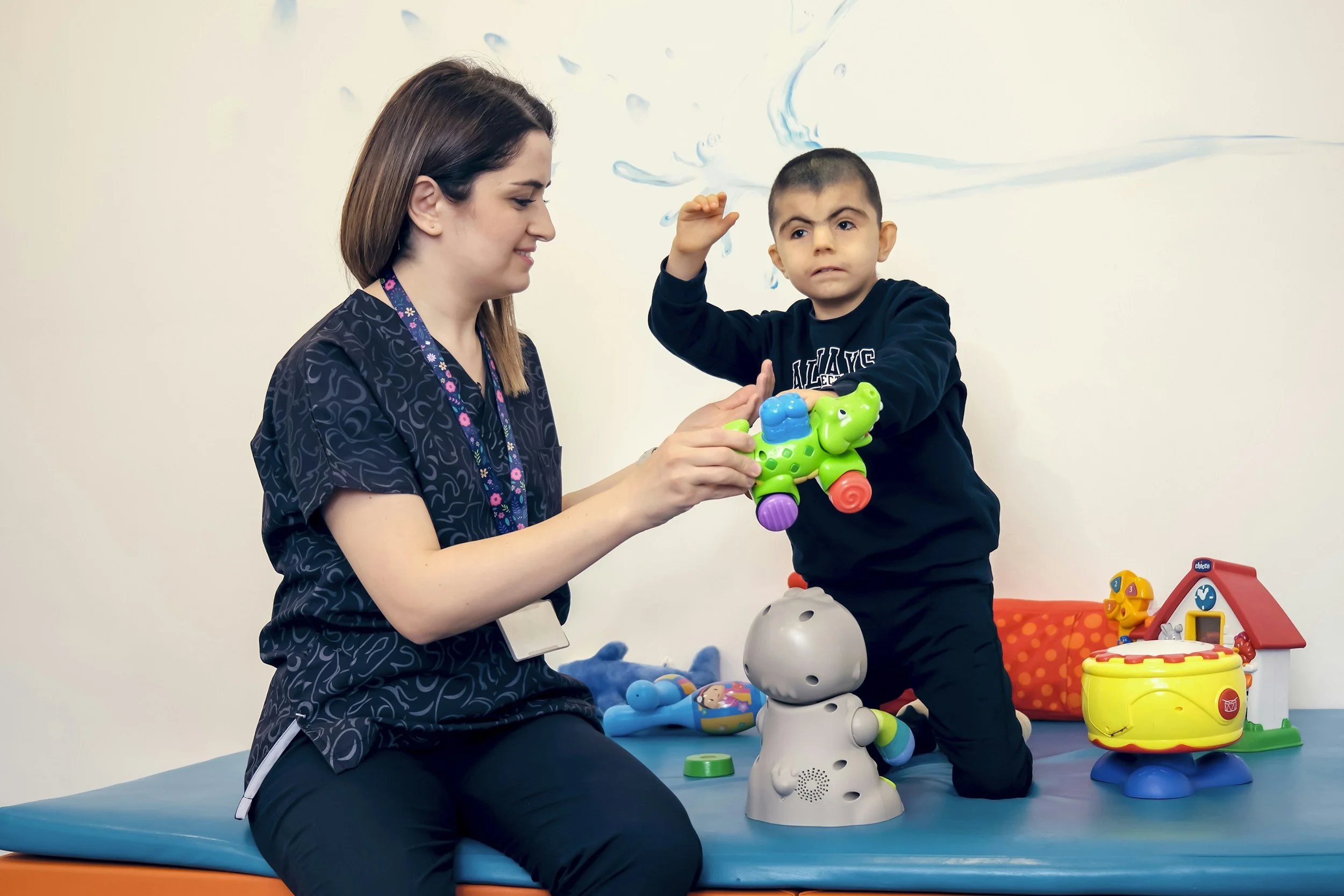
Daily living skills shape how children take part in home routines, school tasks, and public outings. Some children need extra support with self-care, safe choices, and flexible transitions. In a center setting, you can expect predictable space, steady staffing, and frequent practice. Clear teaching steps, kind correction, and simple data checks guide each session. As skills strengthen, our families often see less friction during mornings, meals, errands, and bedtime.
1) Predictable routines that stick
Predictable schedules reduce uncertainty and support follow-through. In an aba therapy center-based setting, children rehearse arrival steps, transitions, and cleanup in the same order each visit. Staff track prompting and then fade help as accuracy rises. Small planned changes, like switching rooms, build tolerance for variation. Over time, children start tasks faster and complete sequences with fewer reminders.
2) Self-care taught as small steps
Self-care routines often fail when steps feel too large. Teams break hygiene into short actions, like turning on taps, using soap, rinsing, and then drying. Prompts start clear, then decrease as mastery builds. Visual cues and timers support pacing without nagging. Practice can target toothbrushing, handwashing, hair care, and clothing management. With repeated rehearsal, children gain comfort and better body awareness during grooming.
3) Eating and mealtime independence
Mealtime independence involves posture, utensil control, and steady chewing. A center can teach these parts with structured practice and calm pacing. Children rehearse opening containers, taking bites, and wiping hands. Staff address food refusal through choice-making and gradual exposure while watching for gagging or unsafe stuffing. Cleanup routines finish the sequence. Consistent training supports better carryover to school lunchrooms and family tables.
4) Communication that replaces problem behavior
Daily stress rises when needs cannot be expressed. Staff teach functional communication so a child can request help, ask for a break, or decline safely. Words, pictures, or supported systems may be used, based on ability. Practice happens during real tasks, like waiting, sharing, materials, or ending a preferred activity. As clearer requests increase, unsafe actions often decrease and routines become smoother.
5) Social practice with peers in real time
Living skills include cooperation, turn-taking, and handling minor conflict. A center offers planned peer activities where children practice greetings, sharing, and group directions. Coaching happens in the moment, and then support steps back as skills grow. Children learn to wait, accept “later,” and rejoin play after disappointment. These sessions can improve classroom readiness and reduce strain during family outings and community events.
6) Safe community skills through role-play
Safety learning works best with repetition and realistic rehearsal. Centers can simulate common situations, like stopping at doors, staying near an adult, and responding to “stop.” Role-play can cover parking lot rules, waiting in lines, and walking near exits. Staff teach scanning for hazards and seeking help from approved adults. Frequent drills support safer responses during busy, noisy, unpredictable moments. Clear checklists guide practice, including holding hands, pausing at curbs, and listening for instructions. Trainers vary noise and timing so children keep calm, breathing while safety rules remain steady nearby.
7) Motor planning for chores and school tasks
Chores rely on motor sequencing, grip control, and endurance. In a center, children practice packing a bag, organizing materials, wiping surfaces, and putting items away. Tasks start short, then length increases as stamina improves. Fine motor work, like zipping, buttoning, and scissor use, can be folded into meaningful routines. Functional practice supports more independence at home and stronger participation at school.
8) Parent carryover that strengthens progress
Skills grow faster when practice continues outside sessions. Many centers provide caregiver coaching so adults learn the same prompts, rewards, and fade-out steps used in therapy. Home routines can mirror center sequences for dressing, bedtime, and chores. Data sharing helps families see which supports work and which need adjustment. Consistent expectations across settings helps children use skills with less confusion.
Conclusion
Progress in daily living skills usually comes from small gains repeated across many weeks. Center-based therapy supports this repetition by providing structure, coaching, and frequent practice within realistic routines. Children can build self-care habits, safer behavior, clearer communication, and steadier participation with peers. When families use the same teaching steps at home, new abilities carry into morning prep, meals, school days, and outings. Shared consistency supports confidence and lasting independence.
