
Aerial Platform Truck Basics: What the Machine Does and Who Uses It
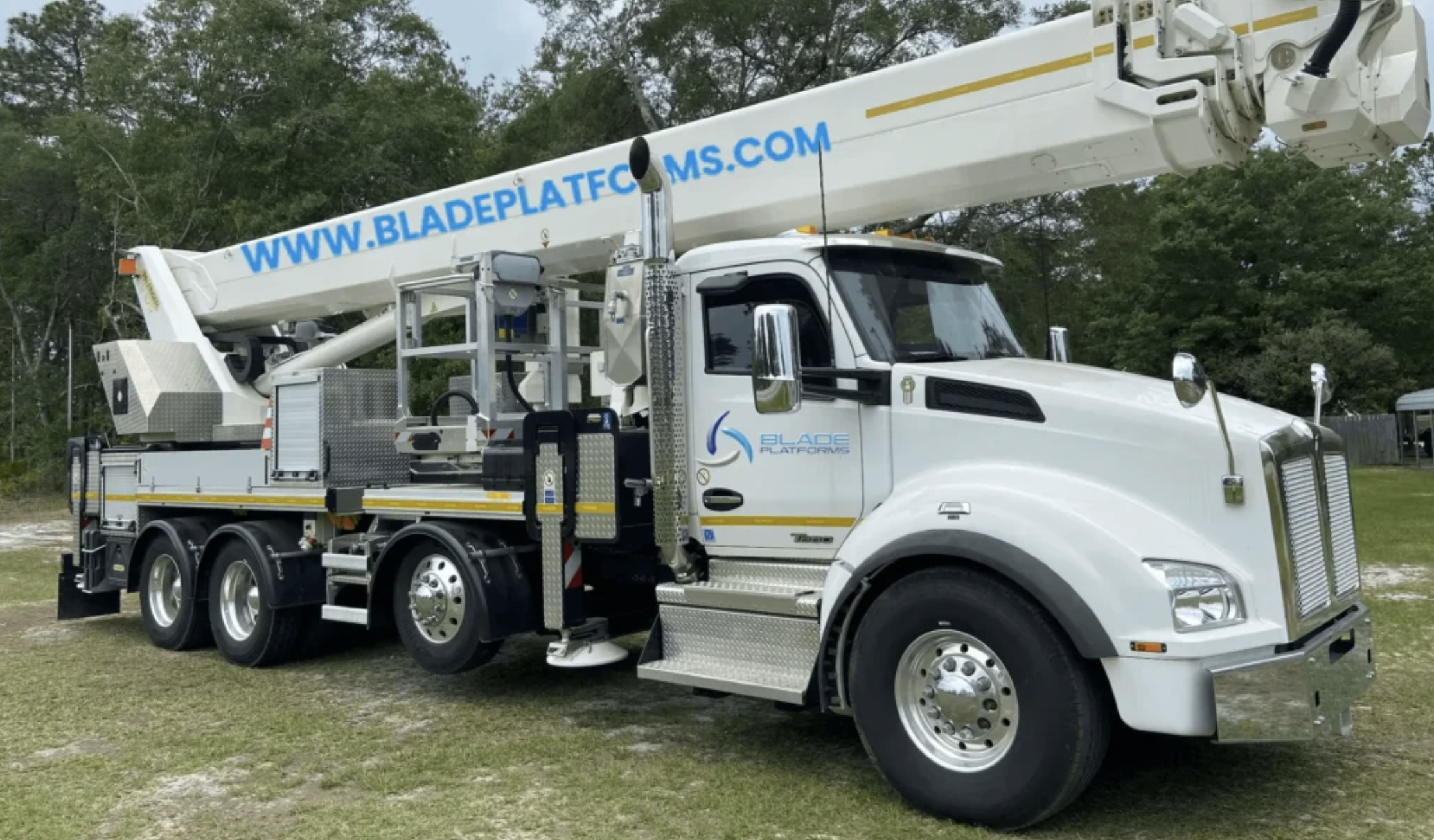
An aerial platform truck is the plain name for a work platform bolted onto a road-going chassis. Drive it to the job, put the legs down, send someone up in the basket. That is the whole idea, and it explains why these machines turn up everywhere from highway light poles to cathedral roofs.
Here is a short tour of the parts that matter, and who books them.
The Machine, Part by Part
Start at the bottom. The chassis carries everything, and its size decides what license the driver needs and which roads are legal.
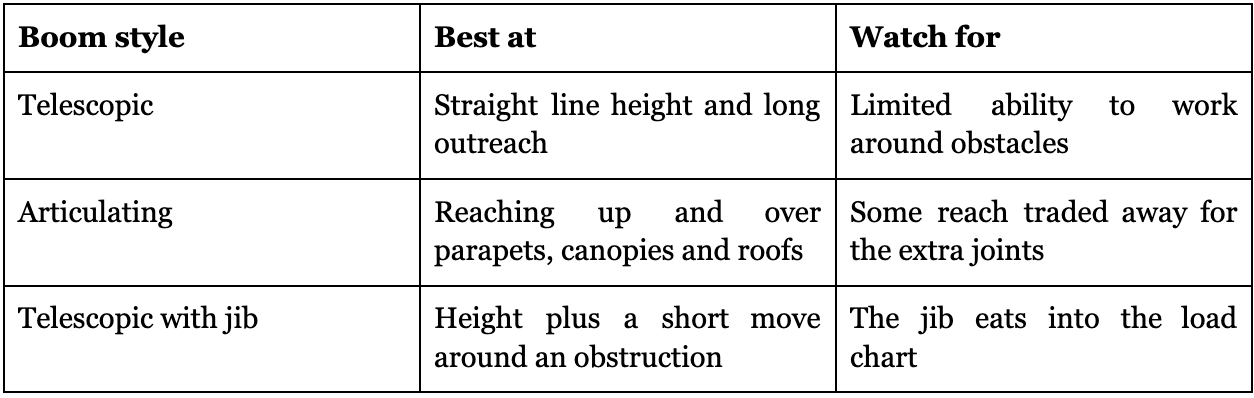
Above it sits the turntable, which lets the boom swing without the truck moving. Then the boom itself, telescopic or articulated, often with a short jib at the end so the basket can tuck under a soffit or over a parapet.
Four stabilizer legs do the quiet work. They lift the wheels clear, level the chassis, and spread the load through pads. If they cannot deploy fully, the machine restricts what the boom may do. That is a feature, not a fault, and it is why a bad parking spot costs reach.
At the top, the basket carries a rated load, usually several people plus tools. Many platforms weigh it electronically and stop movement if it is overloaded. Controls sit in the basket and again at ground level, with an emergency lowering system for the day the engine will not restart.
Why an Aerial Platform Truck Suits Some Jobs and Not Others
The appeal is speed. A crew can arrive at eight, be working at height by half past, and clear the site that afternoon. No scaffold to erect, no towers to sign off, nothing to come back and strike.
The trade-off is footprint. Once the legs are down, the machine is committed to one position, and the next elevation means setting up again. Across a wide frontage, that repetition eats the day.
One hard rule worth knowing early: these platforms travel with the boom stowed. You do not drive with someone in the basket.
Two other things shape the working day. Wind is the first: every machine carries a maximum wind speed on its data plate, and the reading that matters is the one at basket height, not the gust you feel standing beside the truck. The second is staffing. A trained operator runs the platform, but someone on the ground still has to manage traffic, take deliveries, and know how to bring the basket down if the machine stops responding.
Who Books These Machines
Utility and telecom crews are the steadiest users, working on poles, lines, and rooftop equipment. Tree crews take them into parks and roadside strips where climbing is slower and less safe.
Building maintenance is the other big slice: gutter and roof repairs, cladding checks, window cleaning where there is no roof cradle, sign and lighting swaps.
Then the specialists. Bridge inspectors use them for soffits and pier heads. Film crews rig lights. Heritage contractors reach spires and clock faces that would take weeks to scaffold. Energy teams take the taller units to turbines and stacks, which is where machines well beyond a hundred feet appear on the fleet list of an aerial platform truck supplier.
Three Things Buyers Get Wrong
It is not a crane. The basket carries people and hand tools, not pallets of material, and the load plate says so.
Working height is not platform height. The published figure adds about six feet of assumed reach above the basket floor, so a machine sold as 150 feet puts the floor near 144.
And bigger is not automatically better. A larger chassis brings permit conditions, heavier ground loading, and a wider footprint. Plenty of jobs go better with a machine two sizes down that fits through the gate.
Getting to the Right Machine
The decision comes down to three numbers and one photograph: the height to reach, how far back you must park, what the basket has to carry, and a picture of the setup point. With those, a supplier such as Blade Platforms can cut a fleet list to two or three realistic options in one call, which beats guessing from a spec sheet and finding the gap on site.
