
Art Therapy Practitioner Training: A Step-by-Step Holistic Course Guide
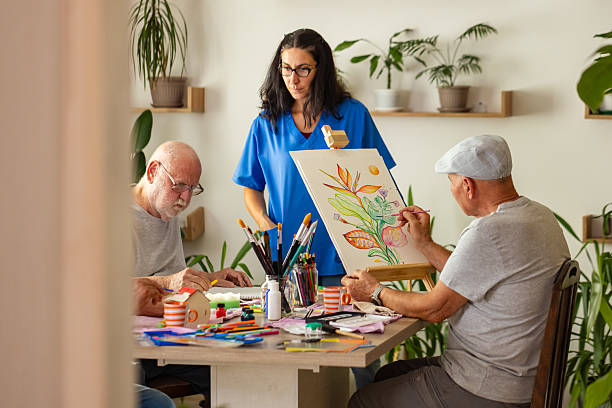
Art can help people to communicate emotions that are difficult to articulate. If you're creative and want to support others in a caring manner, online holistic training may be a great place to begin. The road is not as hard as most people think, but it is easier when following the steps. This guide will take you from the initial concept through the initial client.
Understand the Role and Its Limits

The first step is to find out what the work entails. An art therapy practitioner guides people through creative activities such as drawing, painting, or collage to support self-expression and emotional well-being. It is not the same as a licensed art therapist, who typically has more extensive formal training programs and may provide clinical services. A wellness practitioner provides wellness support and is not a medical or mental health practitioner. By knowing this difference early, you'll avoid having unrealistic expectations or putting your future clients at risk.
Check Local Rules and Your Own Goals
Certain job titles are subject to rules of usage which differ from country to country and region to region. Research local guidelines before working with the public. Consider your intention for this way. Some people wish to be part of a new career; others wish to bring creative tools into the school, care, and community groups. The goal will assist you in selecting the correct course and setting later.
Choose an Accredited Online Course
Research some programs before you register. Look at the accreditation, the hours of study, and whether the content is easy to read and up to date. Check out the help offered, like student forums or customer support. Look for honest reviews and review the refund policy. A good course will be open to disclosing its modules to you, so that you know exactly what you are going to learn.
Work Through the Core Modules
Good programs accumulate knowledge. In lessons, you will learn about the origins of art therapy, some of the fundamental psychological theories, and how the brain reacts to creativity. You'll be studying various materials and techniques, including painting, drawing, sculpture, and collage. Other lessons might be about viewing artwork with sensitivity and about being respectful, kind, and nonjudgmental. Learning one module at a time results in a calm and manageable learning experience.
Practice With Hands-On Exercises
Reading is just part of the learning. Do all exercises, including the easier ones. Self-created art will help you to develop an understanding of what your client might feel when attempting a new activity. You could make a memory box, color in a mandala, or make a mood board. Record observations. The practice of this will help to develop confidence and will provide a bank of ideas to work on for a variety of ages and requirements.
Learn Ethics and Set Up Your Practice Basics
Skill is just as important as ethics. Understand confidentiality, professional boundaries, cultural respect, and when to refer to a doctor or mental health professional. If you'll be working with clients, create a simple intake form, client agreement, and a plan for sessions. Be sure to determine if you need insurance and how to be honest about what you are providing. Clear paperwork is used and protects all parties involved in the process.
Start Small and Keep Learning
No big launch is necessary. Start with a short workshop, a small group, or sessions with friends who might be willing to provide feedback. Take note of successes and what would be different. Participate in other practitioners' online communities, share ideas and ask questions. You can eventually specialize in working with children or seniors. The first certificate is a beginning process of learning.
Conclusion
The journey of becoming a practitioner is a gradual one, with the right kind of learning, doing, and decisions made. Know the role, review local rules, select a good course, and play with caution. Honor training boundaries and continue to develop. Your creativity can be a valuable tool for helping others if you're patient and approach them in a kind manner.
