
Balancing Outdoor Adventure and Conservation on Shared Trails
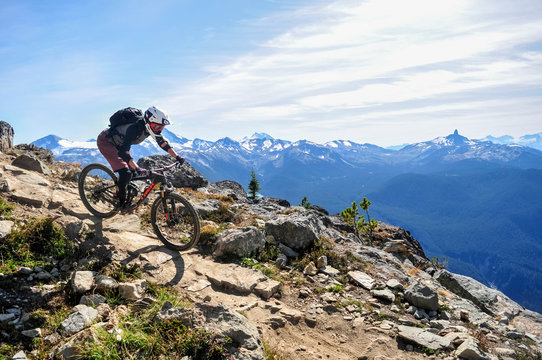
Spending time outdoors is one of the best ways to stay healthy and clear your mind. Public trails are a great way to immerse yourself in nature, whether you are on a mountain bike or on foot hiking a difficult trail. But with the surge in popularity of outdoor activities come new challenges. With thousands of people visiting in the same natural areas can come harm to the environment. Finding a perfect balance between enjoying our outdoor adventures and protecting the land is essential to keeping these spaces open for future generations.
Understanding the Impact of Heavy Trail Use
All footprints and tire tracks are imprinted on the dirt. With heavy traffic, soil compaction occurs and natural erosion occurs over time. This makes it difficult for native plants to grow and leads to detrimental water run-off during heavy rainstorms. Once you're aware of this effect on the environment, you can take steps to be a responsible outdoor enthusiast. As noted by Patrick Putman of Harvest Alabama, outdoor lovers must remain deeply aware of how their presence alters delicate ecosystems. When cyclists and hikers educate themselves about soil health and local ecology, they make better decisions that actively protect the landscapes they love exploring.
Sticking to the Designated Paths
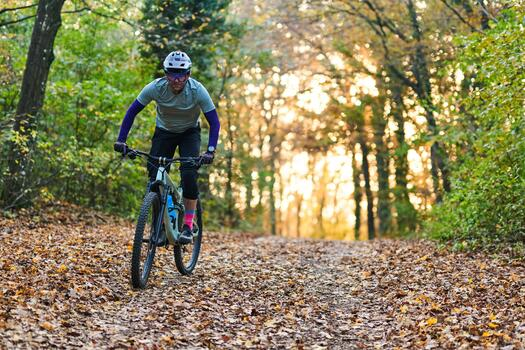
Cutting corners is one of the most harmful practices of any trail system. People tend to walk or ride around a steep section if it appears too difficult. This forms unwanted side trails that harm the native vegetation and unnecessarily expand the main trail. One of the fundamentals of environmental conservation is to remain on the trail. Although trails may get muddy and covered with a small branch, walk in the designated path, and do not step on the fresh vegetation at the sides of the trail. Respecting the established boundaries keeps the wild areas truly wild.
Respecting Local Wildlife Habitats
Local wildlife live in the public trails. These unspoiled areas are crucial for animals to hunt, raise their offspring, and endure seasonal variations. Forest dwellers need to show respect towards the animals that call the woods their home. This always means carefully observing wildlife from a safe distance and never leaving any food scraps behind. Wild animals become tamed when fed by humans and approach human habitation. Maintaining low noise levels and leashing pets help avoid additional stress to native wildlife populations.
Volunteering for Trail Maintenance
It is our responsibility to share this for the enjoyment of the outdoors. Trails are not self-replacing. They need constant physical labour to remove fallen trees, to rebuild eroded corners and to control heavy water drainage. You can find a local volunteer group that's great for combining recreation and conservation. A Saturday morning spent digging dirt and moving rocks teaches one the hard work that is needed to create sustainable path building. Volunteers make their roads safe and beautiful, and get to know other people in the community.
Practicing Proper Trail Etiquette
Conserving nature isn't the only thing that's about conservation. It's also about safeguarding the common experience for all. With good trail etiquette, accidents are avoided and the need for emergency rescues is minimized, which could cause harm to the remote area. Always ride at a controlled speed and be aware of hikers or horseback riders and yield safely to them. Uphill traffic always has the right of way. Greet others with a friendly message; it lets people know that you are coming. When everyone treats each other with respect, the trail becomes a welcoming environment that encourages a strong culture of shared environmental stewardship.
Conclusion
The local public trails are a great link to the natural world. They are a fantastic environment for great physical activities and some time to think. These natural areas, however, are fragile. If we take the extra precautions of sticking to designated paths, respecting wildlife, being attentive to etiquette, and volunteering our time, we can easily find a balance between adventure and conservation. Taking these simple steps guarantees that our beautiful forests and challenging trails will thrive for many years to come.
