
Best Metal for Diamond Engagement Rings: How to Choose the Right One
This is a contributed post.
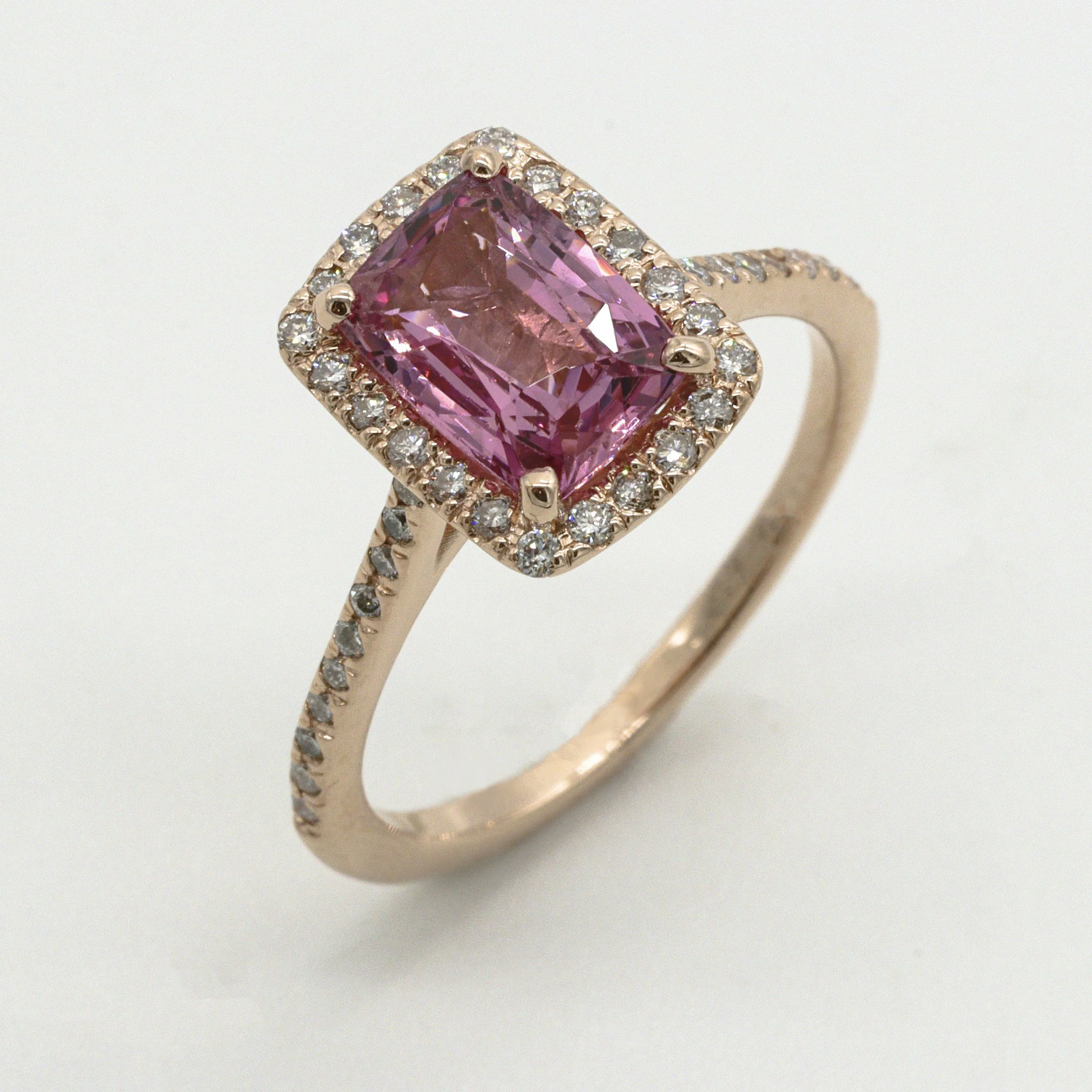
The diamond usually gets all the attention, but the metal is what determines how your engagement ring lives day to day. It affects durability, scratch resistance, maintenance, color tone, allergy risk, how secure your stone setting stays over time, and even how large the diamond appears. The “best” metal isn’t a single universal answer—it’s the best match between your lifestyle, aesthetic, budget, and how much upkeep you’re willing to do.
Below is a practical, no-fluff guide to the most popular engagement ring metals (and a few underrated ones), with real-world pros, cons, and who each metal is best for.
What “best metal” actually means for a diamond ring
Before picking a metal, it helps to understand what you’re optimizing for. Most people care about four things:
1) Security of the diamond
Prongs and settings need to stay strong. Some metals hold prongs better long-term, while others can wear down faster (especially on thin bands or delicate prongs).
2) How it wears over time
Some metals scratch easily but don’t lose material (they “displace” rather than wear away). Others can wear down over years, especially on the underside of the band.
3) Color and diamond “look”
Metal color changes how a diamond reads. Bright white metals can emphasize crispness. Warm yellow metals can add contrast and make the stone pop differently.
4) Maintenance and comfort
Do you want a ring you can ignore for years, or are you okay with occasional polishing, replating, or professional checkups?
Now, let’s break down the metals.
Platinum: the “set it and forget it” classic
If you want the most worry-free choice for a diamond engagement ring, platinum is usually the top pick.
Why platinum is loved:
Platinum is naturally white, so it won’t turn yellow over time, and it doesn’t need rhodium plating to stay bright. It’s also very dense and tough—excellent for holding stones securely, especially in prong settings. When platinum scratches (and it will), it tends to move metal rather than losing it quickly. That’s why antique platinum rings can survive for generations.
How it looks:
Platinum has a soft, slightly gray-white tone rather than a mirror-bright “chrome” look. Many people find it elegant and premium, especially next to high-color diamonds.
Downsides:
Platinum is typically more expensive than gold, and it can develop a “patina” (a satin sheen) with wear. Some people love that vintage character; others prefer a high-polish shine and will want occasional buffing. Also: platinum’s density means the ring can feel heavier—often a plus, but worth knowing.
Best for:
Everyday wear and active lifestyles
People who want minimal maintenance
Prong-heavy settings (solitaires, cathedral settings)
Sensitive skin (hypoallergenic in most alloys)
18K gold: luxury feel, rich color, slightly softer
Gold is the most common engagement ring metal worldwide, and 18K is often considered the “premium gold” option.
What 18K means:
18K gold is 75% pure gold mixed with other metals for strength. That higher gold content gives it a richer color and a more “luxurious” feel.
Pros:
Beautiful, warm tone (especially yellow and rose)
More corrosion-resistant than lower karats
Strong enough for most designs
Ideal if you love a richer gold look
Cons:
18K is softer than 14K because it has more pure gold. That doesn’t mean it’s fragile, but it can scratch and show wear sooner, especially on thin bands or people who are tough on their hands.
Best for:
People who love rich gold color
Elegant, classic designs
Wearers who don’t mind light scratching/patina over time
14K gold: the best all-around value (and the most practical)
If you want a ring that balances durability, price, and long-term wear, 14K gold is often the smartest “default” recommendation.
What 14K means:
14K gold is 58.5% pure gold, with more alloy metals added for strength. That makes it harder and more scratch-resistant than 18K in everyday life.
Pros:
Excellent durability for daily wear
More affordable than 18K and platinum
Available in yellow, white, and rose
Strong for thin bands and detailed settings
Cons:
White gold is not naturally bright white—it’s usually plated with rhodium for that crisp, reflective look. Over time, the plating can wear, and the ring may need replating to maintain that bright white finish (how often depends on wear—sometimes every 1–3 years).
Best for:
Most people, especially first-time ring buyers
Active lifestyles
Thin bands, pavé, and delicate settings
Anyone who wants value + longevity
White gold: bright, modern, and popular (with one catch)
White gold deserves its own section because it’s a favorite for diamond rings. It makes diamonds look icy and bright, and it’s typically more affordable than platinum.
Here’s the catch:
Most white gold rings are rhodium plated. That plating is what gives the ultra-white shine. With time, the plating wears down and the warmer underlying tone can show through slightly. It’s not a defect—it’s just maintenance.
Who loves white gold:
People who want a very bright, reflective “white metal” look
Those who like a clean, modern style
Anyone trying to maximize budget while keeping a white-metal aesthetic
If you’re sensitive to nickel:
Some white gold alloys use nickel (especially in certain regions/manufacturers). If you have allergies, ask for nickel-free white gold or choose platinum.
Yellow gold: timeless contrast that makes diamonds pop
Yellow gold has been the engagement ring metal for centuries, and it’s making a major comeback because it looks both classic and bold.
Why yellow gold can be “best” for diamonds:
Yellow gold creates contrast. A diamond set in yellow gold can appear brighter and more defined because your eye sees clear separation between the stone and the metal. Many people also love the way yellow gold looks with vintage-inspired settings, milgrain edges, and classic solitaires.
What to watch:
If you’re choosing a very high-color diamond (like D–F), some people prefer a white metal to match that icy tone. A common compromise is a two-tone ring: yellow gold band with platinum or white gold prongs. That keeps the warm gold look while maintaining a white “frame” around the diamond.
Best for:
Classic, vintage, and timeless styles
People who love warmth and contrast
Two-tone lovers who want the best of both worlds
Rose gold: romantic, flattering, and surprisingly durable
Rose gold isn’t just trendy—it’s practical.
Why it wears well:
Rose gold gets its pink hue from copper in the alloy, and that copper content makes it relatively durable. It also tends to look great on many skin tones and has a softer, romantic vibe.
Things to consider:
If you have a strong copper allergy (less common than nickel allergy, but possible), rose gold might not be ideal. Also, rose gold’s color can subtly influence the look of a diamond if the setting reflects warm tones into the stone—this is usually minimal with well-cut diamonds, but it’s worth seeing in person if you’re sensitive to color.
Related:
