
Walking Where Jesus Walked: Preparing for a Holy Land Pilgrimage
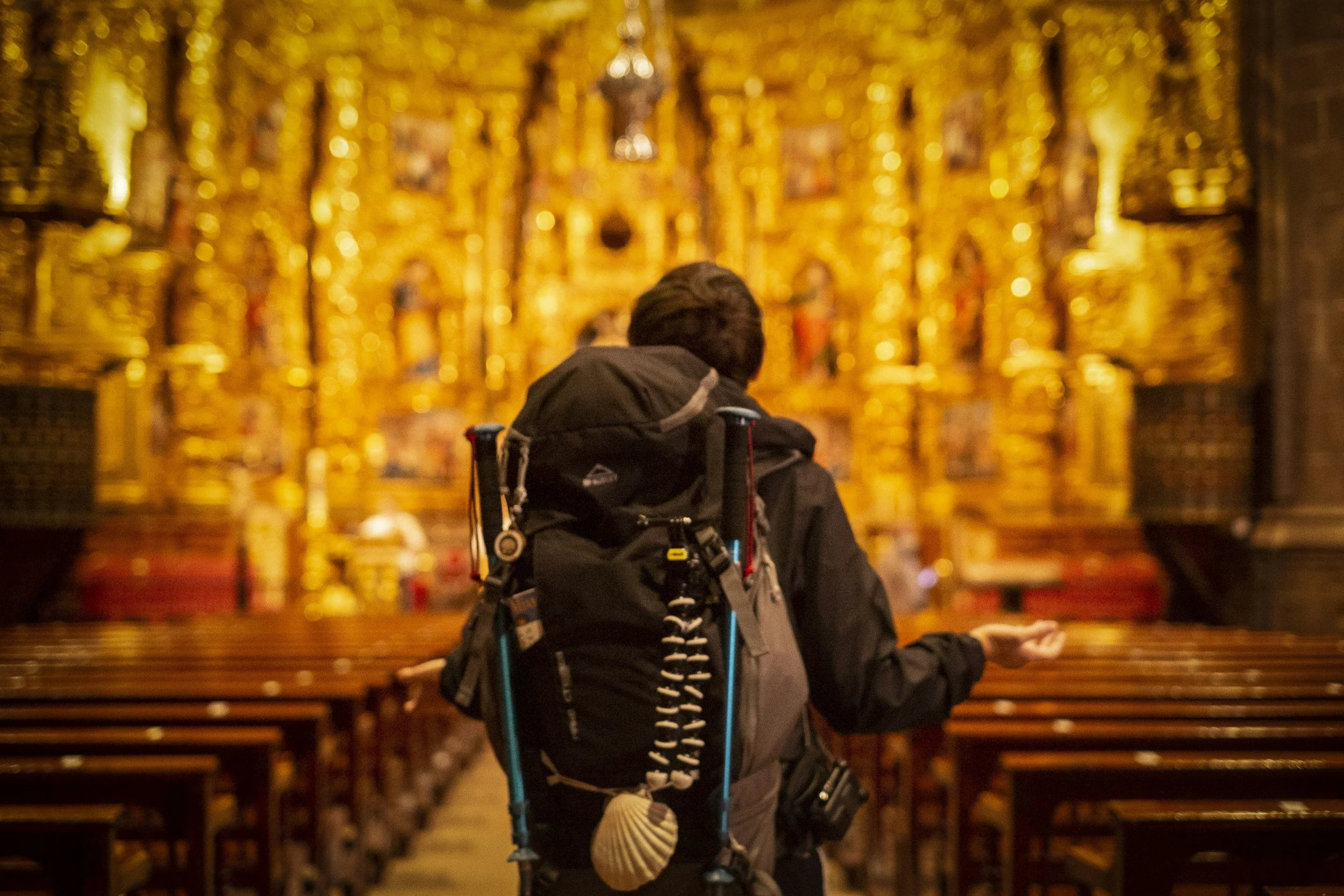
Pilgrims often say the Gospels never read the same way again after they return from the Holy Land. The Sea of Galilee becomes a real shoreline, Bethlehem a real town on a hill, and the steps toward Calvary a real climb through narrow streets. That transformation does not happen by accident. The most fruitful Catholic Holy Land pilgrimage experiences usually begin months earlier, with preparation that touches the spirit, the body, and the practical details. After a period of reduced travel, pilgrim groups have been returning, and Church leaders in Jerusalem have openly encouraged the faithful to come back. Here is how to arrive ready.
How Should You Prepare Spiritually?
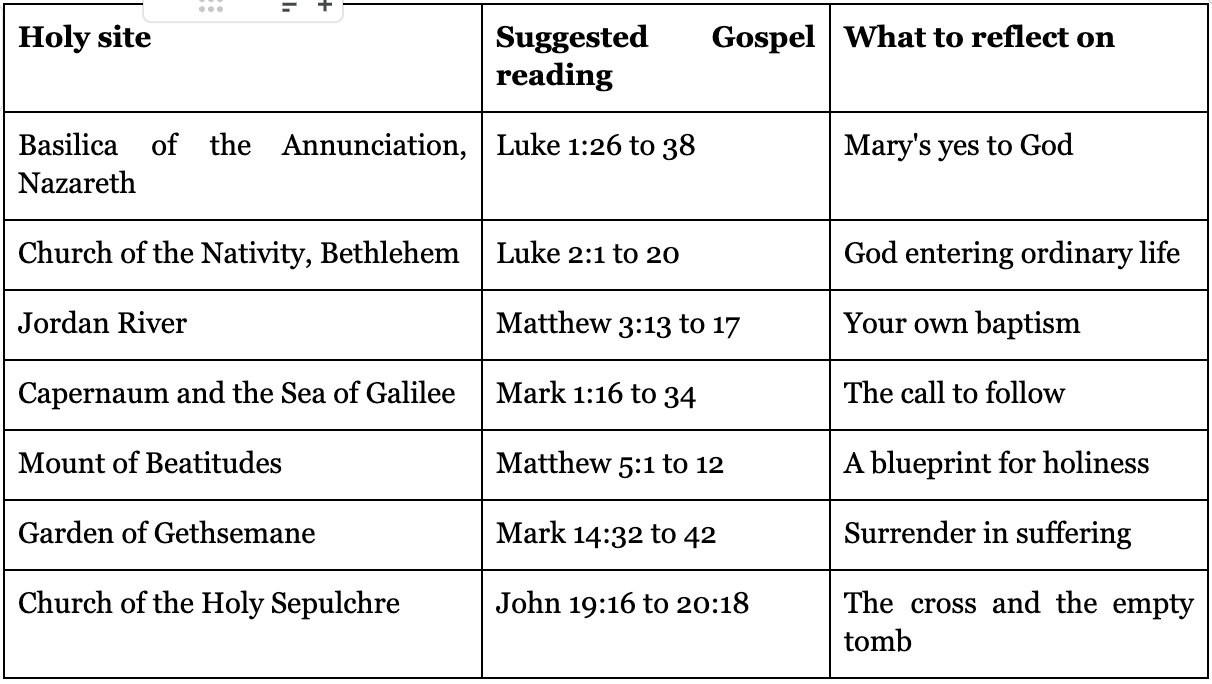
The single most valuable step is reading the Gospels with a map beside you. When you know which passage belongs to which place, every site becomes a meeting point between Scripture and memory.
The table below pairs major sites with readings to pray through before you go.
Many pilgrims also keep a small notebook of intentions from family and parish members. Placing those intentions at specific altars becomes one of the most moving parts of the trip.
How Do You Get Physically Ready?
The Holy Land involves more walking than most people expect. Jerusalem's Old City is full of uneven stone steps, the path down the Mount of Olives is steep, and sites like Mount Tabor sit at elevation. Starting a regular walking routine a couple of months before departure makes a noticeable difference.
Weather matters as well. Spring and autumn are generally the most comfortable seasons, while summer heat, especially around the Dead Sea and Jericho, can be intense. Pack sturdy walking shoes, a hat, sunscreen, and a refillable water bottle.
Modest dress is expected at churches and holy sites. Shoulders and knees should be covered, so lightweight long sleeves and trousers or long skirts are practical choices.
Which Practical Details Should You Handle Early?
Travel documents come first. Check that your passport is valid well beyond your travel dates, and note that Israel now requires many visa-exempt visitors, including travelers from the United States, to obtain an electronic travel authorization, known as ETA-IL, before departure. Requirements can change, so confirm current rules with official sources.
Movement between regions also needs planning. Bethlehem lies in the West Bank, a short drive from Jerusalem, and travelers pass through a checkpoint on the way, so keep your passport with you each day. The Sabbath, from Friday evening to Saturday evening, affects public transportation and some businesses in Jewish areas.
These logistics are one reason many travelers choose a guided Catholic Holy Land pilgrimage rather than planning alone. Experienced organizers coordinate licensed guides, border crossings, and Mass reservations at busy sites, leaving pilgrims free to focus on prayer.
What About the Local Christian Community?
The Holy Land is not only a collection of ancient sites. It is home to living Christian communities, many of whom depend heavily on pilgrim visits for their livelihoods. Buying olive wood carvings in Bethlehem, eating at family-run restaurants, and attending Mass at local parishes all help those communities remain in the land where the faith began.
Some pilgrimage organizers build this support directly into their trips. Some direct part of their proceeds toward Christian families in the region and encourage pilgrims to shop at local Christian businesses.
How Can You Stay Present While You Are There?
It is easy to let photographs replace prayer. Consider setting your phone aside at the most significant sites and simply kneeling for a few minutes. Lines at the Edicule of the Holy Sepulchre can be long, so use the waiting time to pray the Sorrowful Mysteries or read the Passion narrative quietly.
Evenings matter too. Many groups gather after dinner to share reflections, which helps each pilgrim notice what God is doing in the journey. When comparing itineraries, look for unhurried evenings that leave room for this.
Frequently Asked Questions
How long should a Holy Land pilgrimage be?
Most organized trips run eight to twelve days, enough to visit Galilee, Bethlehem and Jerusalem without rushing.
Can I celebrate Mass at the holy sites?
Yes. Groups traveling with a priest can usually arrange Mass at major churches, though reservations are required.
Is the trip suitable for older pilgrims?
Generally yes, with preparation. Discuss mobility needs ahead of time, since some sites involve stairs and slopes.
As You Prepare to Go
A pilgrimage to the land of Christ begins long before the flight. Read the Gospels with intention, build up your walking stamina, settle the paperwork early, and plan to support the Christians who live there. When you are ready to take that step, a Catholic Holy Land pilgrimage with experienced guides and an accompanying priest can open the Scriptures in a new way. You can explore upcoming departures and custom group options at selectinternationaltours.com and choose dates that suit your parish or family. Begin your Gospel reading this week and let the preparation itself become part of the journey.
