
Charting an Unforgettable Journey Through Egypt's Timeless Wonders
Egypt has a way of pulling travelers back through thousands of years of history in a single afternoon. One moment you're standing before the Great Pyramids of Giza, the last surviving wonder of the ancient world, and the next you're drifting past mudbrick villages on the banks of the Nile, watching farmers work the same fields their ancestors tended millennia ago. For anyone planning a trip to this remarkable country, a well-structured egypt itinerary 7 days long strikes the perfect balance between depth and pace, allowing enough time to see the highlights without feeling rushed from one site to the next.
A week is genuinely enough time to experience the essentials: the pyramids and Sphinx of Giza, the treasures of the Egyptian Museum, the temples of Luxor and Karnak, and a sail down the Nile through Upper Egypt. Many visitors choose to split their week between Cairo and the south, spending two or three days exploring the capital before flying or cruising to Luxor and Aswan. This structure gives travelers a taste of both the bustling energy of modern Cairo and the quieter, more contemplative atmosphere of the ancient temple towns further upriver.
Starting the Journey in Cairo
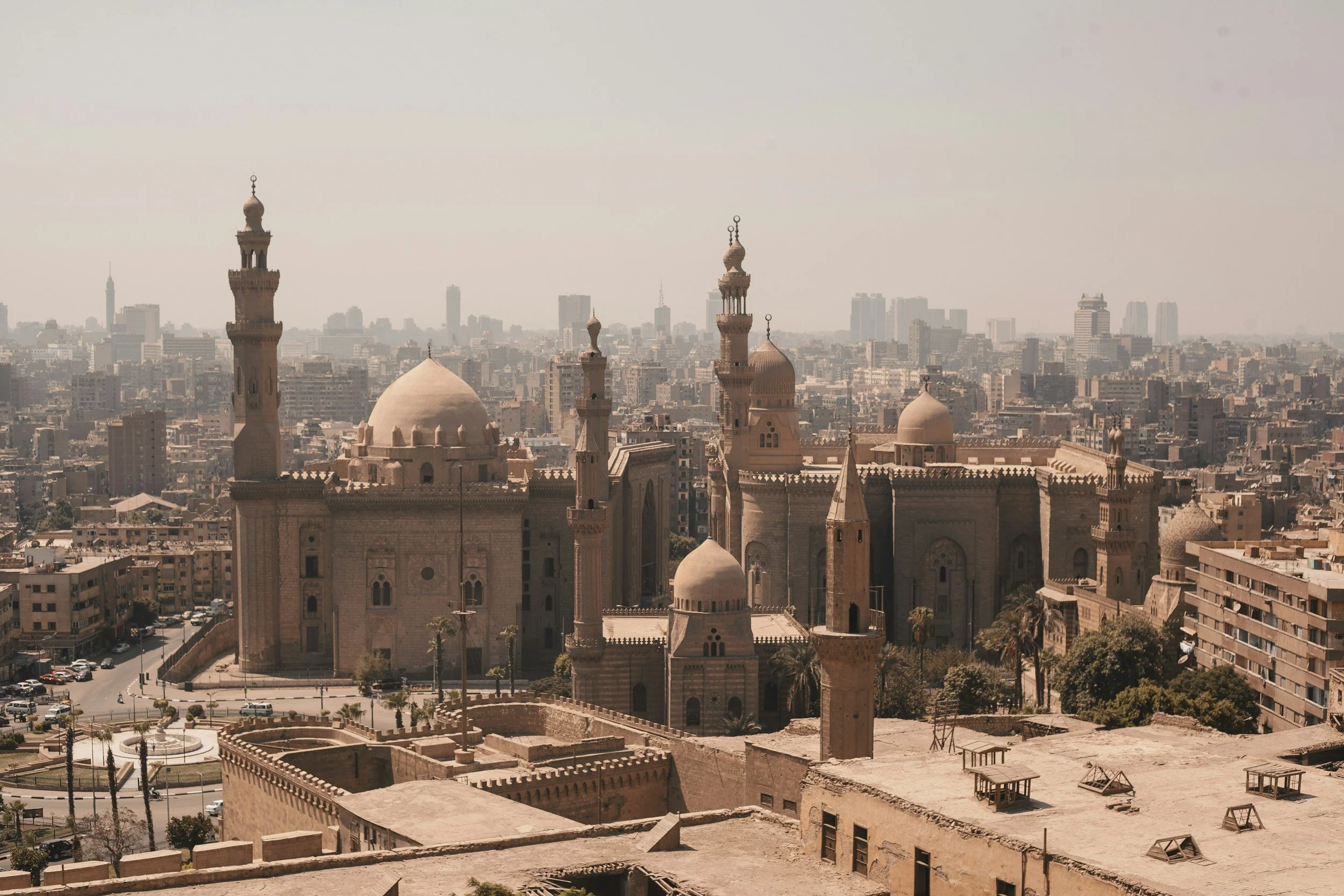
Most journeys through Egypt begin in Cairo, a city where minarets and skyscrapers share the skyline and traffic hums constantly beneath a haze of desert dust. The Giza Plateau sits on the edge of the city, close enough that you can watch the pyramids rise from the urban sprawl as your taxi approaches. Beyond the pyramids themselves, the nearby Saqqara necropolis offers a quieter, less crowded look at Egypt's funerary architecture, including the Step Pyramid of Djoser, often considered the world's oldest large-scale stone building.
Downtown, the Egyptian Museum in Tahrir Square (and increasingly, the new Grand Egyptian Museum near Giza) houses an overwhelming collection of artifacts, including the golden mask of Tutankhamun. Travelers with limited time often pair a morning at the pyramids with an afternoon in the museum, then spend the evening wandering the alleys of Khan el-Khalili bazaar, sampling street food and haggling over spices, jewelry, and handmade crafts.
Heading South Toward Luxor
After a few days in Cairo, the journey typically shifts south toward Luxor, often called the world's greatest open-air museum. This ancient city, once known as Thebes, was the capital of Egypt during its most powerful era, and its monuments reflect that grandeur. On the east bank of the Nile stand the temples of Karnak and Luxor, sprawling complexes of towering columns and obelisks that took generations of pharaohs to build and expand.
Across the river, the west bank holds the Valley of the Kings, where pharaohs like Tutankhamun and Ramses the Great were laid to rest in elaborately painted tombs cut deep into the limestone hills. Nearby, the Mortuary Temple of Hatshepsut rises dramatically from the desert cliffs, a striking tribute to one of Egypt's few female rulers. For travelers based along the Red Sea coast, a popular option is a luxor day trip from hurghada by plane, which makes it possible to see these iconic sites without needing to relocate your entire stay. The short flight cuts travel time dramatically compared to the overland route, meaning you can explore Karnak, the Valley of the Kings, and Hatshepsut's temple all in a single well-organized day before returning to your beach resort by evening.
Sailing the Nile in Style
No trip to Upper Egypt feels complete without time spent on the water. The Nile has been Egypt's lifeline since the earliest dynasties, and gliding along it remains one of the most atmospheric ways to connect with the country's history. While large cruise ships are common on the Luxor-to-Aswan route, travelers seeking a more intimate and traditional experience increasingly look for a best dahabiya nile cruise instead. These elegant sailboats, powered largely by wind rather than engines, carry only a handful of cabins and move at a gentler pace, allowing passengers to actually notice the changing riverbanks rather than rushing past them.
A dahabiya cruise typically includes stops at smaller, less-visited temples that larger ships skip entirely, such as the temple of Khnum at Esna or the riverside ruins near Edfu and Kom Ombo. Meals are often taken on deck under the open sky, and evenings bring a quiet that's hard to find on busier vessels. For travelers who want their Nile experience to feel personal rather than crowded, this style of sailing offers something genuinely memorable.
Reaching Aswan and the Nubian South
The final leg of a classic southern route usually ends in Aswan, a laid-back city with a distinctly different character from Cairo or Luxor. Here, the Nile widens and slows, dotted with granite boulders and green islands. The Philae Temple, dedicated to the goddess Isis, was relocated stone by stone to save it from flooding after the construction of the Aswan Dam, and today it remains one of the most beautifully preserved temple complexes in the country.
Aswan is also the gateway to Nubian culture, with colorful villages, distinct cuisine, and a history that stretches south into Sudan. Many travelers take a boat out to a Nubian village for lunch or an overnight stay, adding a cultural dimension that complements the pharaonic monuments seen earlier in the trip. From Aswan, some visitors extend their journey further south to Abu Simbel, home to the massive rock-cut temples of Ramses II, though this typically requires an extra day.
Bringing It All Together
What makes Egypt so compelling as a travel destination is the sheer density of history packed into a relatively small geographic area. Within the span of a week, it's possible to walk among structures built over four thousand years ago, sail a river that has shaped civilizations, and still have time to relax on a felucca deck watching the sunset paint the water gold. Whether your trip centers on a classic Cairo-to-Aswan overland route, a quick flight south from the coast, or a slow sail aboard a traditional wooden boat, Egypt rewards travelers who take the time to look beyond the postcard images and into the layered story each site has to tell.
Planning ahead makes all the difference. Booking accommodations and tours in advance, especially during the busier winter months, helps avoid long queues at major sites and ensures a smoother overall experience. With the right preparation, a week in Egypt can feel like a journey through the entire arc of human history, one temple, tomb, and riverbank at a time.
